
User Captures GeForce RTX 5090 Catching Fire on Camera, Raising New Safety Questions Beyond 16 Pin Connector Melts
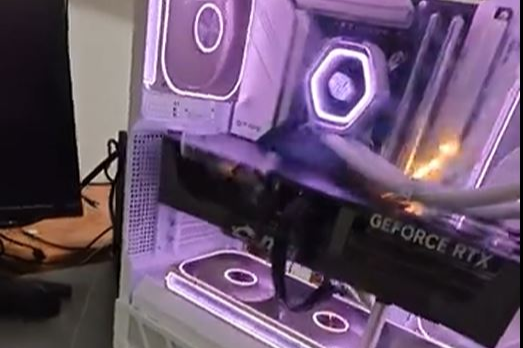
A rare and alarming GeForce RTX 5090 failure was caught on camera, showing open flames erupting from an MSI GeForce RTX 5090 Trio immediately after the system was powered on. While the GPU ecosystem has already seen ongoing discussion around 16 pin connector melting incidents, this case appears materially different, with flames visible in multiple areas and an outcome that suggests a broader electrical fault rather than a single connector heat event.
The footage comes from a video posted on Bilibili, where the user reportedly recorded the first boot as a precaution. In the clip, the PC is switched on and the graphics card begins producing open flames almost instantly, prompting an immediate shutdown attempt.
According to the details shared alongside the incident, the user had installed a new 1300W power supply and was installing the MSI GeForce RTX 5090 for the first time. After the fire event, the graphics card was effectively dead, but the rest of the system reportedly remained operational, albeit with visible burn marks on some components. The user is said to be running an RTX 5060 now, which is fortunate from a loss containment perspective, because this kind of short duration fire event can easily propagate into motherboard, cabling, or storage damage if power is not cut quickly.
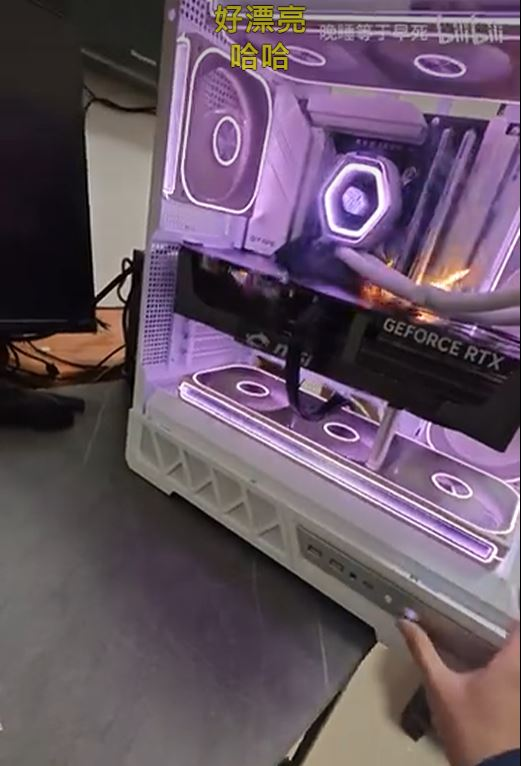
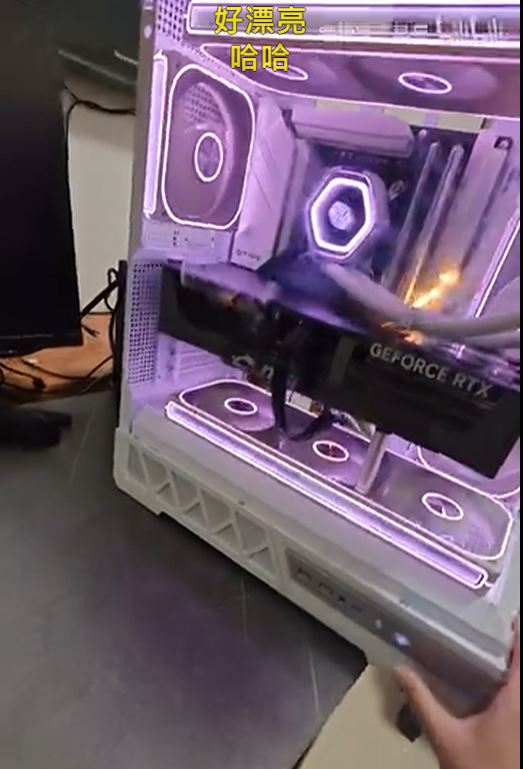
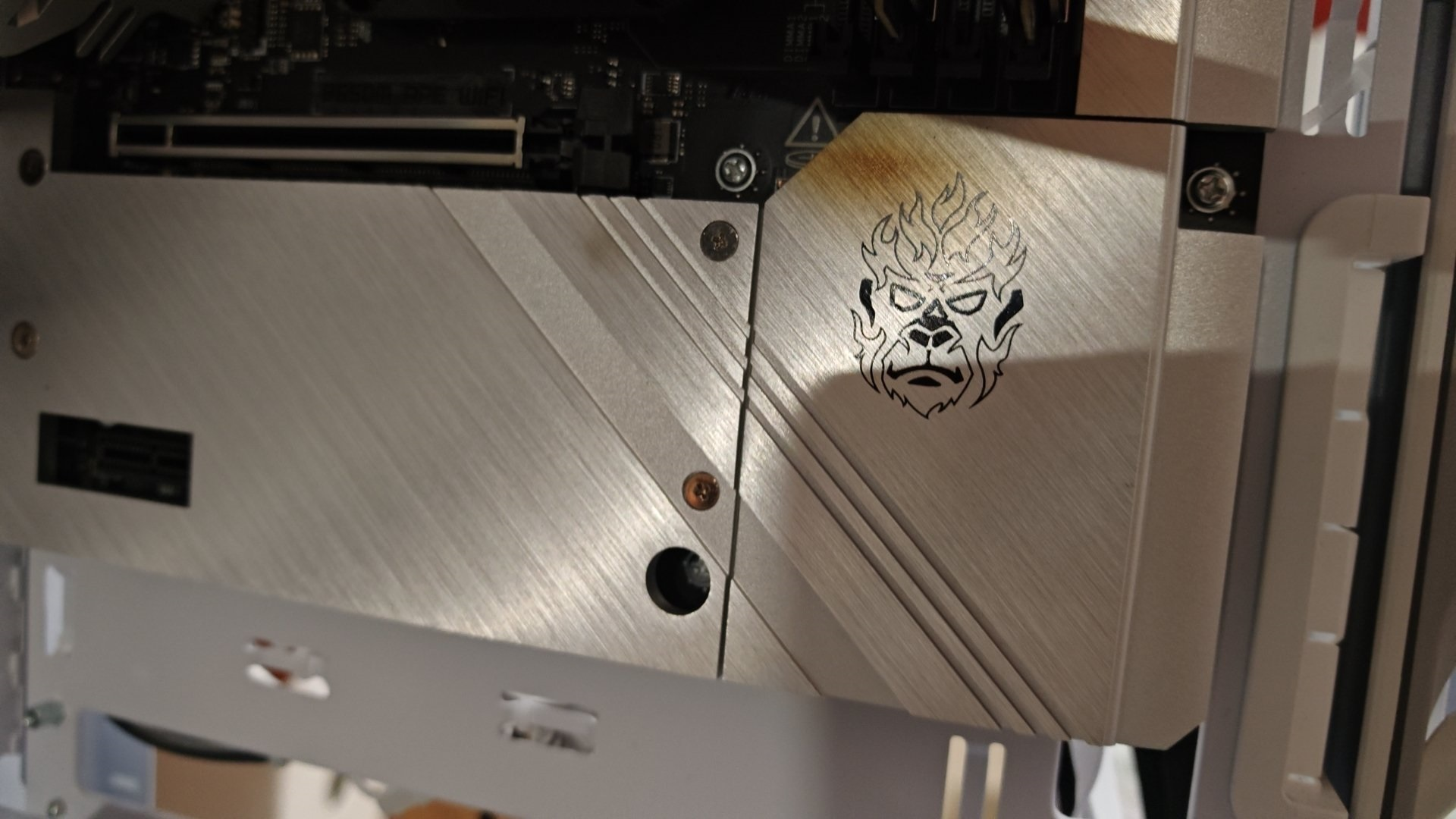
What makes this case particularly notable is the apparent distribution of flames across more than one point on the board. Hardware watcher Uniko’s Hardware highlighted the possibility that the short circuit could involve the VRM circuitry for VRAM, based on the visual behavior of the failure and the fact that the flame locations did not resemble a single point connector melt.
There is also a harsh consumer reality attached to this incident. The user reportedly cannot apply for RMA because the GeForce RTX 5090 is officially banned in China, with warranty support generally limited to officially available variants like the GeForce RTX 5090 D or RTX 5090 D V2. That means even if the failure is fully consistent with a manufacturing defect, the path to official replacement may not exist for this unit.
From a broader market and enthusiast perspective, the RTX 5090 continues to sit in an ultra premium pricing tier, and the report frames it as selling for 4000$ or more in many places. That makes the risk equation even more painful: a catastrophic failure on first boot is not just a bad day, it is a major capital hit for a gamer or creator who bought into top tier performance.
For builders watching this, the pragmatic takeaway is not panic but process. First boot testing should always be treated like a controlled validation step, especially at 1300W class power levels. Keep the case open, keep eyes on the card, avoid unnecessary cable strain, ensure full connector seating, and be ready to cut power immediately if anything looks or smells wrong. This incident is rare, but it is a reminder that high power GPUs are effectively small power delivery systems inside your PC, and when something goes wrong, it can go wrong fast.
Have you changed your first boot checklist for high wattage GPUs, and do you think board level fire incidents like this will push vendors to introduce new power delivery safeguards in 2026 designs?
