

Epic Games has released Unreal Engine 5.9 Preview 2, introducing major improvements to artificial intelligence development tools, rendering performance, animation systems, and browser compatibility. Released on November 19, 2026, the update expands Unreal Engine's capabilities through experimental AI assisted workflows, improved Nanite rendering efficiency, advanced transparency effects, and WebAssembly support. However, the most significant change may be how Epic Games developed the engine itself, using autonomous AI agents to accelerate programming and introduce new functionality.
According to Epic Games' official Unreal Engine 5.9 release notes, the new version introduces Unreal Canvas, an experimental workspace that allows developers to generate and modify images, videos, and 3D assets through AI models. The system supports external generation services and integrates with Unreal Editor through the Model Context Protocol (MCP), allowing AI agents to interact with project assets, Blueprints, materials, and development tools. The expanded Unreal Assistant also supports external coding agents such as Claude Code, Codex, Cursor, and OpenCode, while new Python scripting capabilities enable additional automation across animation, materials, physics, user interfaces, and level creation.
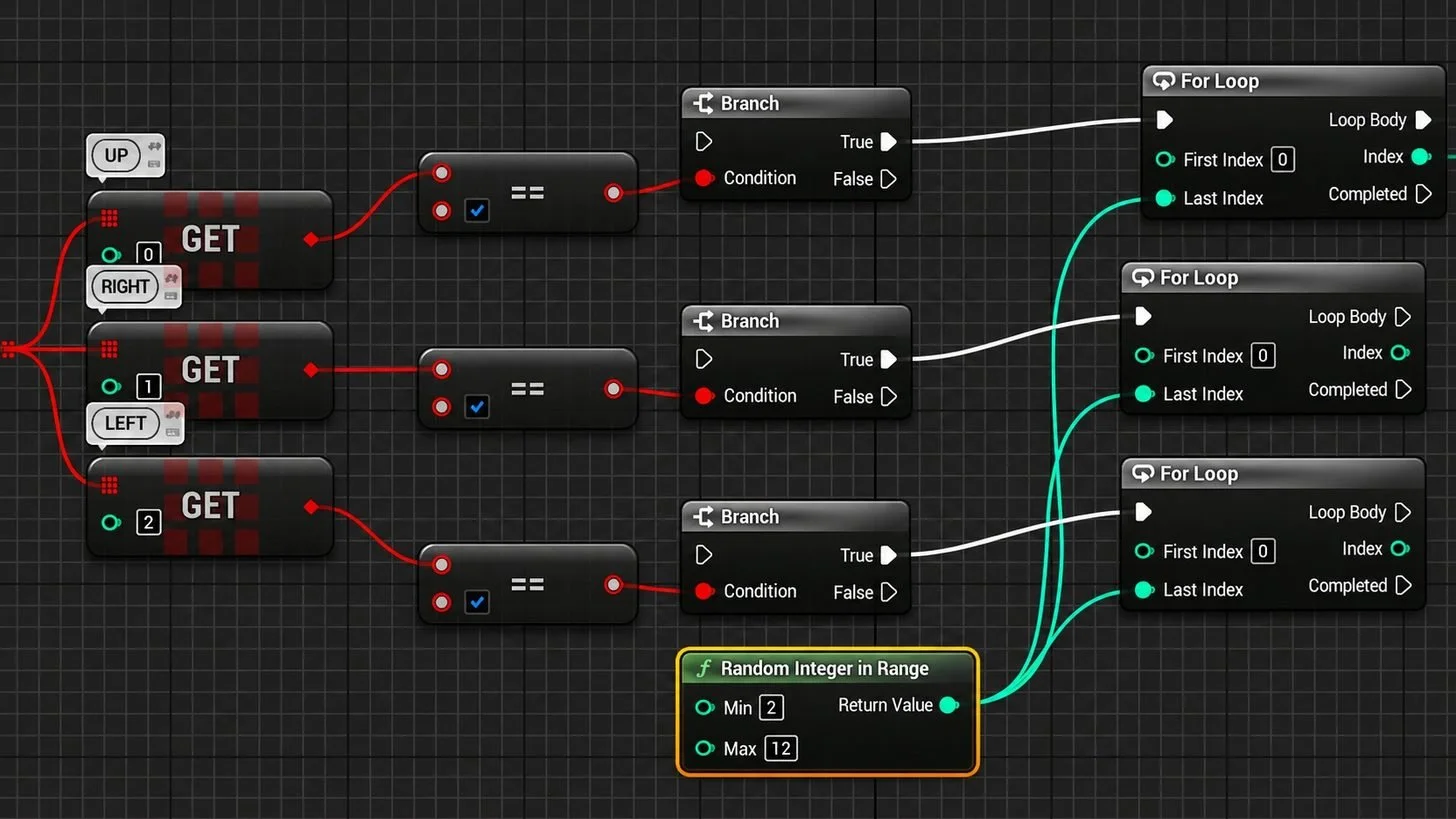
Epic Games confirmed that Unreal Engine 5.9 Preview was developed primarily through AI agent workflows, with a relatively small engineering team supervising multiple agents working simultaneously. The company used this approach to transfer experimental AI features from its Unreal Engine 6 development branch and revive browser support based on the retired Unreal Engine 4 HTML5 implementation. While this approach accelerated development, Epic acknowledged that the preview received a shorter quality assurance process than usual and that some AI generated code still requires refinement.
Beyond AI integration, Unreal Engine 5.9 introduces several graphical improvements that could benefit future PC games. Nanite receives improved geometry culling, allowing the engine to identify visible geometry more efficiently and reduce unnecessary rendering work, particularly in complex environments. A new Adaptive Voxel Based Order Independent Transparency system improves how overlapping glass, smoke, and particle effects are rendered, addressing common transparency sorting problems. Virtual Shadow Maps also gain additional optimizations and Stochastic PCSS, improving soft shadow transitions and providing developers with greater control over shadow rendering costs.
The update also introduces experimental GPU simulated wind for Nanite foliage, allowing vegetation to react more naturally to environmental forces and character interactions. Animation receives improvements through the Unreal Animation Framework, including enhanced inverse kinematics, motion retargeting, procedural animation, and AI assisted character movement. NVIDIA's experimental Kimodo integration additionally allows developers to guide animations using character trajectories, reference poses, and text instructions.
Another important addition is experimental WebAssembly and WebGPU support, allowing developers to run Unreal Engine projects directly inside compatible web browsers. Preview 2 expands the functionality to Blueprint only projects and introduces progressive web app installation, improved texture loading, enhanced mobile rendering, and support for larger memory allocations. Although this could eventually make Unreal Engine games more accessible without traditional installations, Epic warns that the feature remains experimental and can experience compatibility and performance issues.

For developers working with cinematics, Movie Render Graph processing has also been optimized, with Epic reporting approximately 30 times faster graph flattening in certain projects containing large numbers of variables. This improvement concerns cinematic graph processing rather than actual game rendering performance.
The release builds on Epic's previous efforts to improve Unreal Engine 5.8 performance and reduce shader compilation stuttering. However, Unreal Engine 5.9 does not establish that these longstanding issues have been completely resolved. Its rendering improvements are promising, but actual performance gains will depend on individual games, hardware configurations, and developer implementation.
Unreal Engine 5.9 Preview 2 is available through the Epic Games Launcher and official developer announcement. Epic recommends testing the preview with copies of existing projects rather than migrating production environments, as the final stable release remains under development.
Unreal Engine 5.9 represents an interesting transition for Epic Games, shifting part of the development process toward AI assisted automation while continuing to improve the rendering technologies used by modern games. Features such as enhanced Nanite culling, GPU simulated foliage, and improved transparency rendering could provide meaningful benefits, particularly for visually demanding open world titles.
However, Unreal Engine needs better performance optimization more urgently than additional AI generation tools. PC gamers continue encountering shader compilation stuttering, inconsistent frame pacing, and excessive hardware requirements in games built with Unreal Engine 5. Although developers are ultimately responsible for optimizing individual projects, improvements at the engine level can make those challenges easier to address.
Epic's decision to use AI agents extensively during development is also worth examining. Automated tools can accelerate programming and reduce repetitive work, but they should complement experienced engineers rather than compromise code quality, reliability, or security. The shortened testing cycle for this preview reinforces the importance of maintaining strong human oversight.
For PC gaming, the most valuable Unreal Engine improvements will always be those that deliver smoother gameplay, lower memory consumption, efficient CPU utilization, and better scalability across existing hardware. More advanced graphics should not automatically mean higher system requirements or another reason for players to upgrade perfectly capable computers.
Do you believe Unreal Engine 5.9 is moving in the right direction with AI assisted development, or should Epic Games prioritize fixing shader stuttering and improving gaming performance before introducing more AI features?
