
The Real Fruits Will Start Coming in 2027/28 as Warner Bros. Games Leadership Teases a Return to Its Biggest Franchises
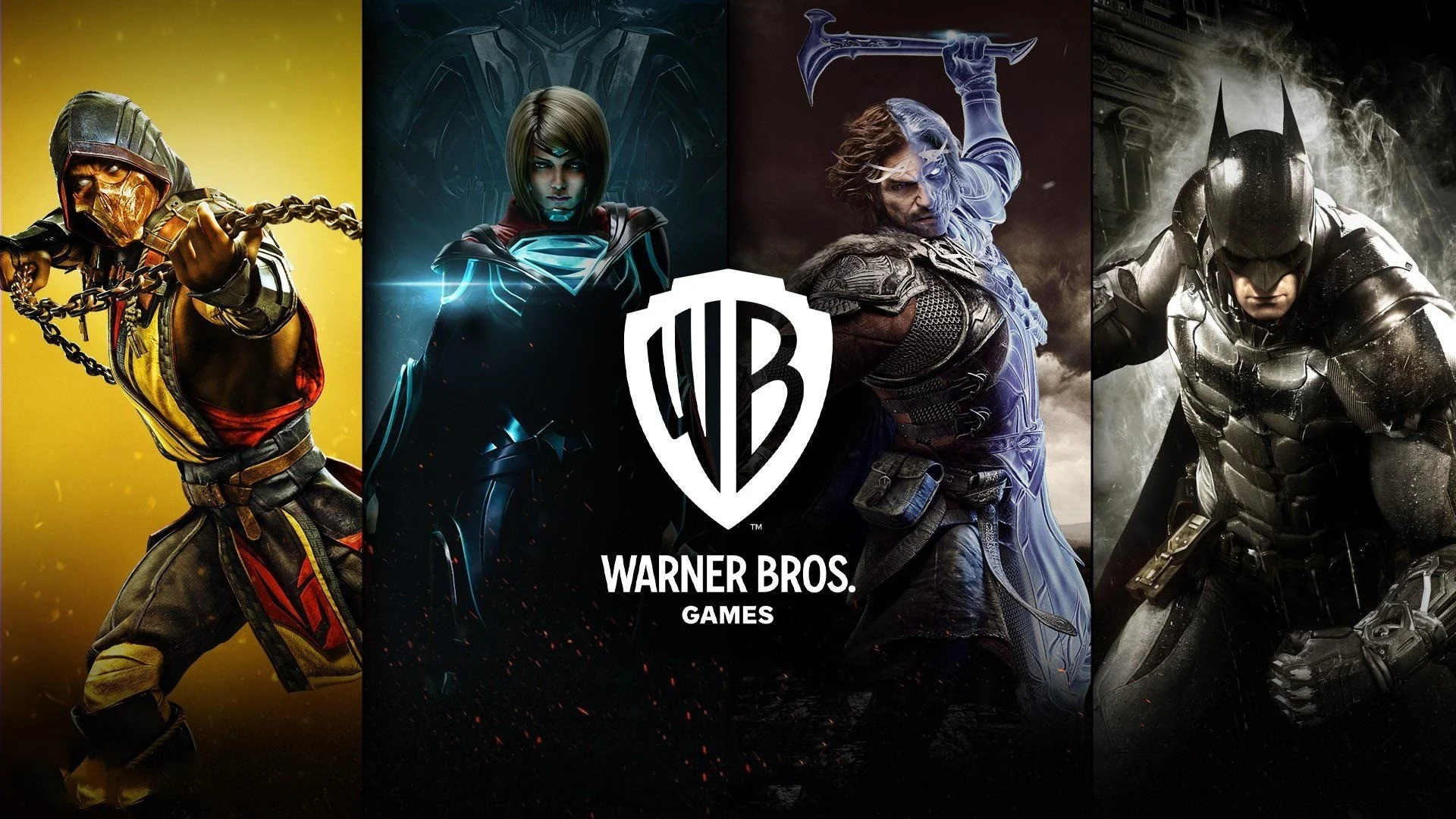
Warner Bros. Discovery is signaling that its games business is operating on a longer rebuild cadence, with leadership suggesting the meaningful payoff from its restructuring will not show up until 2027 to 2028. In a new interview with Variety, JB Perrette reiterated that 2025 was effectively a reset period for the division and said the company got distracted by pursuing too many intellectual properties across too broad a studio footprint, before adding that the real fruits will start coming in 2027 to 2028 when Warner Bros. returns to some of its biggest franchises.
This is a strategically important statement because it frames Warner Bros. Games as a portfolio that is being rebuilt around fewer, higher confidence pillars rather than chasing volume. After a stretch defined by uneven output and high profile misfires, the company moved toward a more tightly managed franchise roadmap, with an emphasis on long term planning instead of one off swings. Perrette’s phrasing is essentially a roadmap reset message to investors and players alike: the short term is about stabilization and focus, while the longer term is where the franchise heavy hitters are expected to re emerge.
From a gamer lens, the subtext is that Warner Bros. wants to restore brand equity in interactive entertainment by leaning into the names with proven audience scale, predictable monetization upside, and cross media recognition. That matters because it implies 2026 will likely remain a lighter year for major releases while teams build toward larger projects that can carry multi year support and deliver the kind of premium engagement executives want to see. The interview does not confirm specific titles, but the phrase return to biggest franchises maps cleanly to the pillars Warner Bros. has publicly emphasized in recent strategy messaging.
The key risk is execution timing. When a publisher publicly points to 2027 to 2028 as the payoff window, it is implicitly asking players to be patient through a transition period where fewer blockbuster launches may land. That can work if Warner Bros. fills the gap with strong updates, smaller releases, and clear communication. It becomes far harder if the pipeline remains opaque or if live service experiments consume resources without delivering durable player trust. In other words, the strategy can be sound, but the delivery must be visible, measurable, and consistent.
The upside, if Warner Bros. hits its targets, is a more coherent identity for its games business: fewer projects, higher production values, and a clearer franchise roadmap that can support sequels, expansions, and longer lifecycle engagement without spreading talent thin. Perrette’s quote sets the expectation line. Now the market will judge the company by whether it can turn that 2027 to 2028 promise into actual release dates, gameplay reveals, and shipping products that feel worthy of the franchises they carry.
Which Warner Bros. franchise do you most want to see lead the 2027 to 2028 comeback cycle, and what would convince you the division has truly turned the corner, a major single player blockbuster, a fighting game revival, or a well executed live service that respects player time?
