
“The Game Really Opened Up When I Beat It” Crimson Desert PR Director Says Main Campaign Is a Small Percentage of Total Content
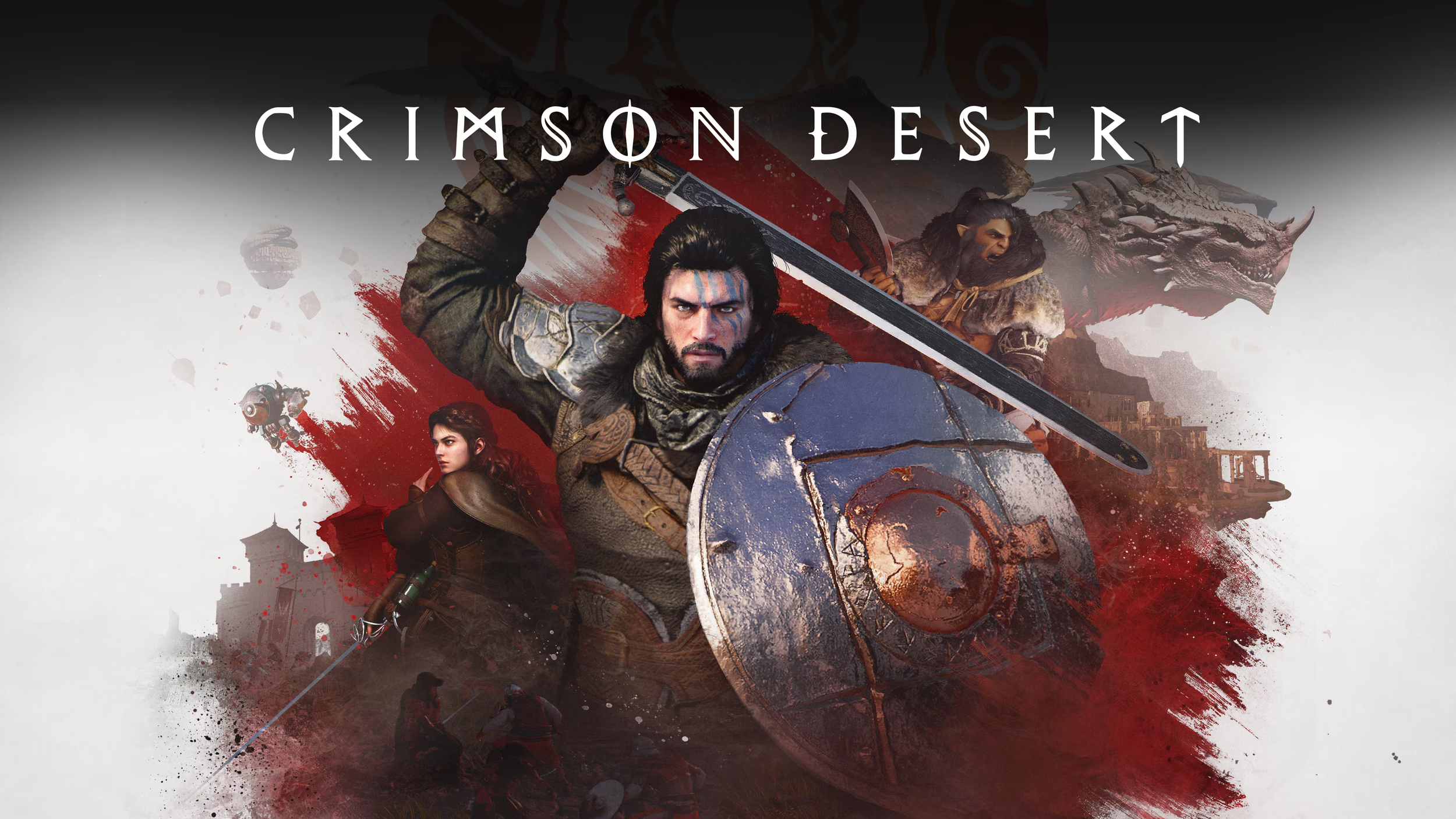
Pearl Abyss is continuing to steadily build the hype cycle for Crimson Desert with a new interview that leans into one of the most important questions for any major open world release: how much is there to do, and how long will it actually keep players engaged. In a recent conversation with Destin Legarie, Pearl Abyss PR Director Will Powers discussed the game’s length and scope, while very deliberately refusing to provide a single playtime number.
Powers explained that quoting a fixed number tends to create a lose lose situation. If the number sounds too big, it discourages busy players who feel they will never have the time. If it sounds too small, players with more free time treat it as a red flag. Instead, his angle is that Crimson Desert is designed around flexibility, where even small sessions still deliver progression and rewards, and where your experience depends heavily on what you choose to focus on.
The most meaningful detail from the interview is this. Powers says the main campaign represents only a very small percentage of the total content, and he describes the world as something that expands significantly after the credits. In his words, he only realized how much was still left when he finished the story and discovered he had barely scratched the surface of certain factions and their quest lines. That kind of statement is not just marketing fluff, it is a specific promise about post campaign value and long tail engagement, which is where open world games either win or collapse depending on how their systems hold up.
To reinforce that point, Powers shared his own recent play behavior. He spent 50 hours in a single week largely on side activities like mining, upgrading weapons, and testing mechanics, and he stressed that this was not even covering everything that is traditionally considered chill time content like fishing. The message is that progression is not locked behind mastery. There is a set difficulty for enemies, but the game is built so players can overcome challenges through investment and preparation, not only through high skill execution. In other words, if you are the type of player who does not want to hit a wall and be told to simply get good, the game is intended to let you grind, craft, and build your way forward.
This approach also positions Crimson Desert in a very deliberate market lane. It wants to capture both types of open world players. The ones who sprint through the main path for narrative momentum, and the ones who treat the world like a sandbox of systems, factions, upgrades, and customization. Powers even describes it in the language of emerging worlds, where the goal is not only to finish the story but to keep finding new objectives, builds, and routes long after your first clear.
Crimson Desert remains one of the most anticipated releases lined up for early 2026, and this interview adds a strong signal that Pearl Abyss is aiming for a game that stays installed for months, not a weekend binge. The real validation will come when players can judge whether the side systems have enough depth to sustain that promise, and whether the endgame content feels intentionally designed rather than simply leftover checklists.
When you play open world action games, do you want the main story to be the core experience, or do you prefer games where the real value only appears after the credits when factions, crafting, and build systems fully open up?
