
Steam Deck OLED Returns to Stock With Major Price Increases as Valve Points to Memory and Storage Costs
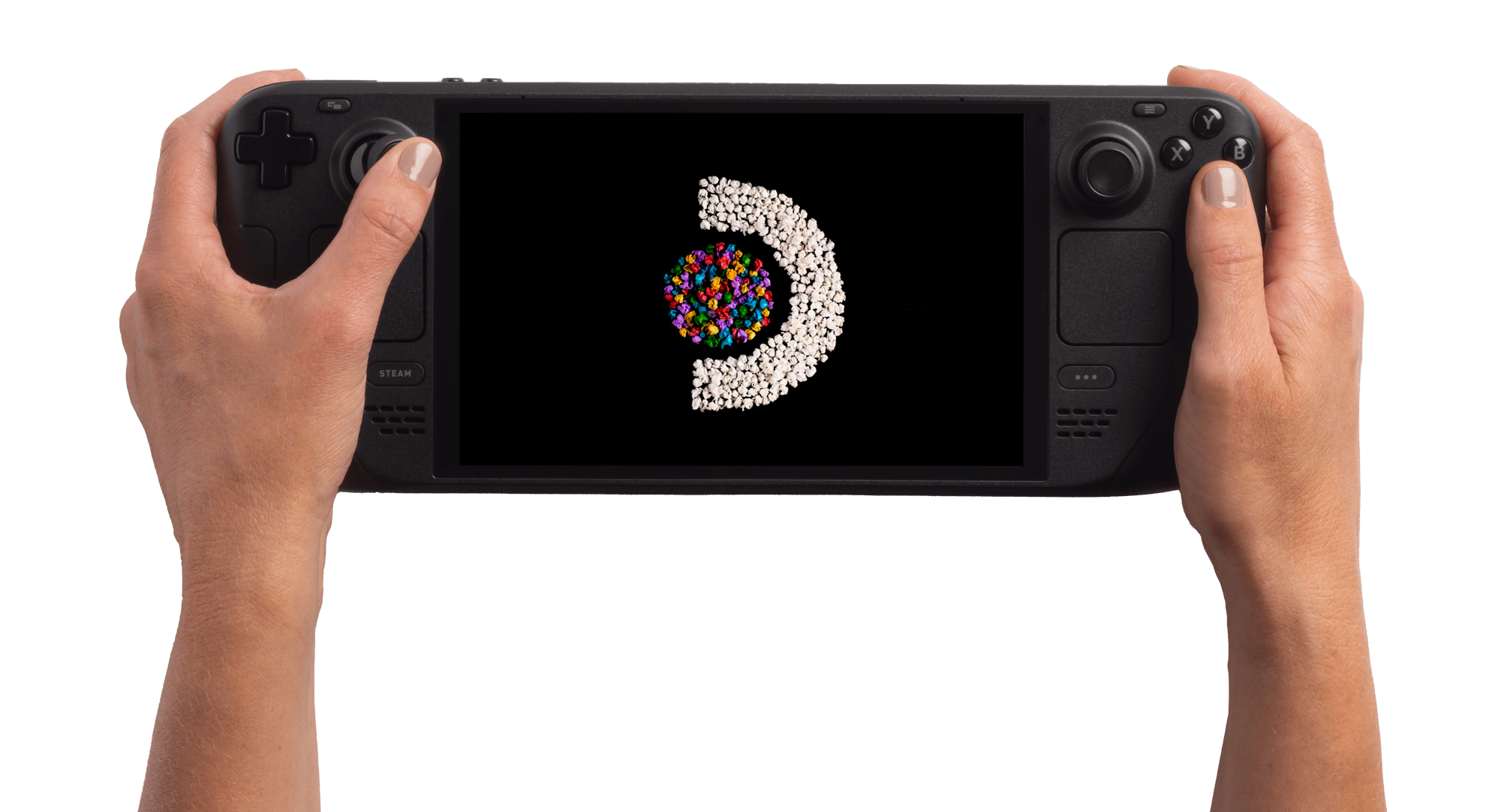
Valve has confirmed that the Steam Deck OLED is back in stock, but its return comes with a significant price increase that may disappoint players who were waiting to purchase the handheld PC. According to Valve’s latest Steam Deck OLED stock update, the hardware itself has not changed, but pricing has been adjusted due to rising component and logistical costs across the industry.
The base Steam Deck OLED 512GB model has increased from its previous US$549 price to US$789. The higher capacity 1TB model has also received a major increase, moving from US$649 to US$949. That is a sharp adjustment for a handheld gaming PC that remains popular but is no longer the newest or most powerful portable PC option on the market.
Valve directly attributed the new pricing to the current cost environment for memory and storage components.
"These new prices reflect the current state of component costs and other global logistical challenges across the industry as a whole."
— Valve
The important detail is that Valve is not positioning this as a hardware refresh. There are no new performance upgrades, no revised display specifications, and no major internal improvements being introduced with the higher pricing. The Steam Deck OLED being sold today is still the same device, only now carrying a much higher cost for buyers.
For players, this creates a difficult value conversation. The Steam Deck OLED remains one of the most polished handheld PC gaming experiences available, thanks to SteamOS, Valve’s ecosystem integration, strong suspend and resume behavior, and a large verified game library. However, at US$789 for the 512GB model and US$949 for the 1TB model, the device moves into a much more premium bracket where buyers may compare it against newer handheld gaming PCs, gaming laptops, or even desktop hardware.
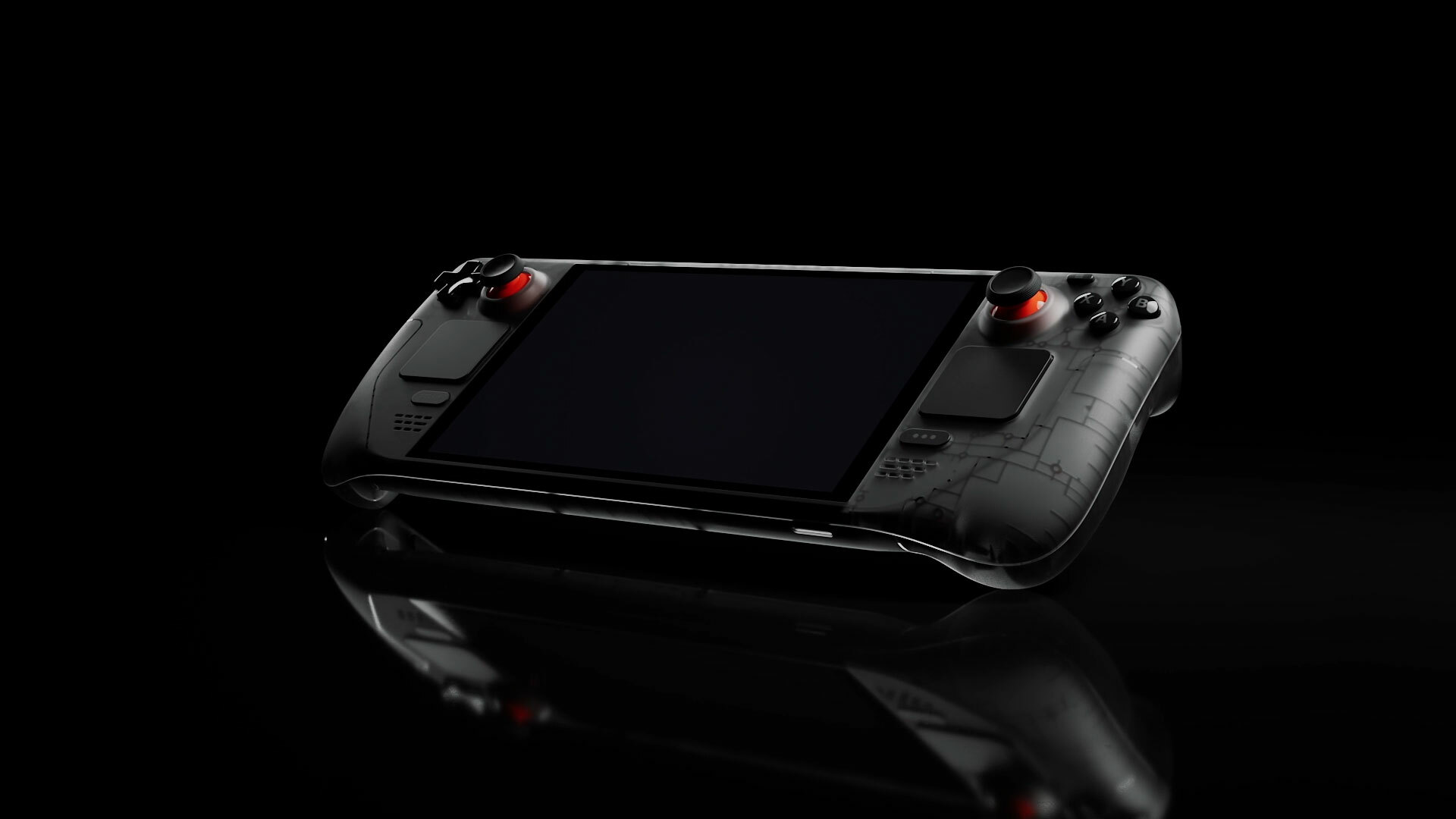
The bigger concern is what this could mean for Valve’s upcoming hardware. Recent reports suggested that both the Steam Machine and Steam Frame had seen internal price pressure due to memory costs. With Valve now raising prices on a 2 year old Steam Deck OLED, it is reasonable to expect that the same cost environment could heavily influence the final pricing of the company’s next devices.
The Steam Machine in particular could face a difficult market position. A living room focused SteamOS PC could be an attractive product if Valve delivers strong performance, console style convenience, and competitive pricing. However, if memory and storage costs push the device too high, it may struggle to reach the broader audience that would otherwise be interested in a simple Steam gaming box for the TV.
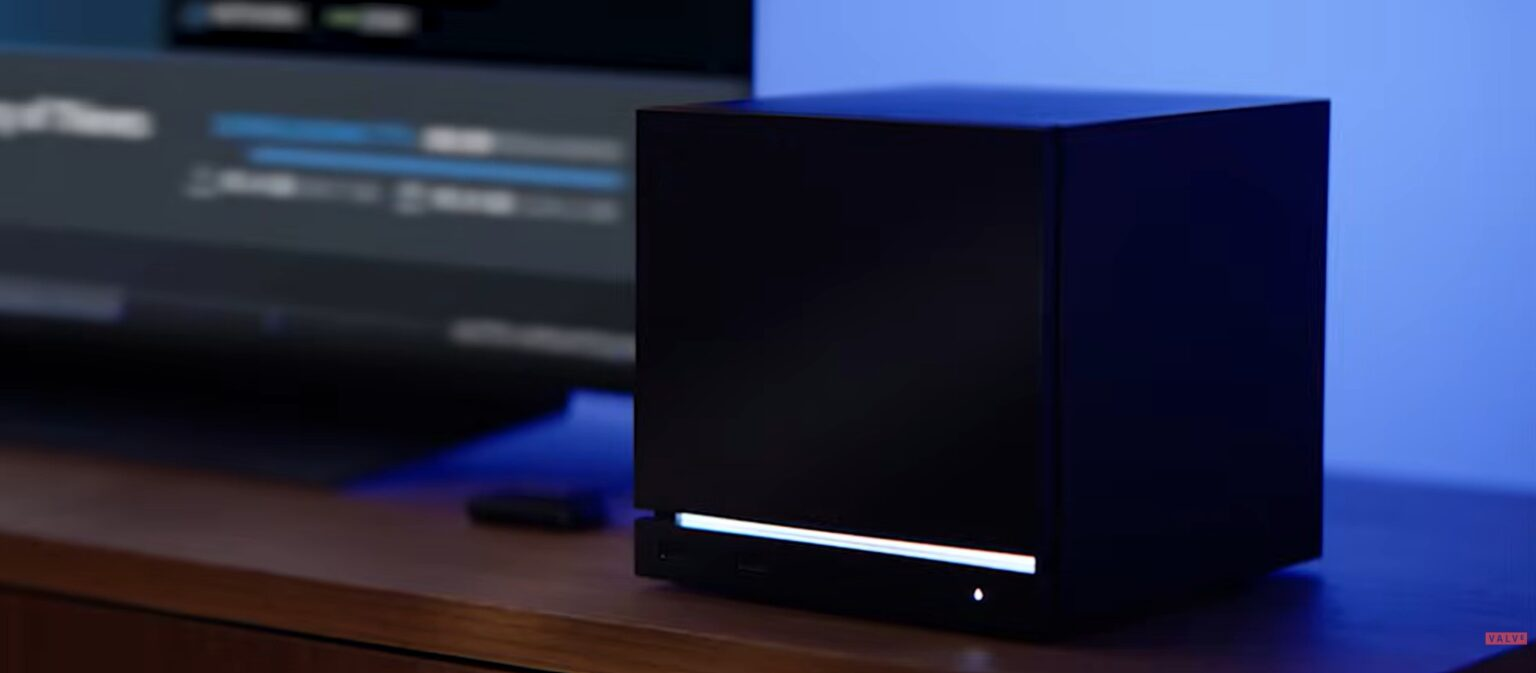
There is still a more optimistic interpretation. Valve could be raising Steam Deck OLED pricing to absorb part of the industry cost pressure while preparing to price the Steam Machine and Steam Frame more aggressively, potentially even selling them at lower margins. That scenario is possible, especially if Valve sees its hardware strategy as a way to expand the Steam ecosystem. However, it is difficult to imagine the Steam Machine or Steam Frame launching below the new Steam Deck OLED pricing if the same memory and storage pressures are affecting all devices.
The price increase also creates uncertainty around Steam Deck 2. Valve has not rushed the next generation Steam Deck, and the company has previously suggested it wants a meaningful performance jump before releasing a true successor. That delay could work in Valve’s favor if component pricing stabilizes before the next handheld arrives. On the other hand, if memory and storage costs continue rising, Steam Deck 2 could launch into a much more expensive hardware landscape.
For buyers who still want a lower cost way into Valve’s handheld ecosystem, refurbished Steam Deck LCD models have also returned with fresh stock. The refurbished 64GB model is priced at US$279, the 256GB model at US$319, and the 512GB model at US$359. These refurbished LCD units do not offer the OLED model’s improved screen, battery life, and refinements, but they now look far more attractive for budget conscious players compared with the new OLED pricing.
This pricing shift arrives at a sensitive time for the handheld PC market. Competition has grown significantly, with multiple manufacturers offering Windows based gaming handhelds and newer chips targeting better performance. Valve still has a major advantage through software, optimization, and the Steam ecosystem, but pricing has always been one of the Steam Deck’s strongest selling points. With the OLED model now approaching US$1,000 in its 1TB configuration, that advantage is no longer as clear.
The Steam Deck OLED remains a strong device, but the new pricing changes the conversation around value. What was once one of the easiest recommendations in PC gaming hardware now requires a closer look at budget, performance needs, storage requirements, and future Valve hardware plans. More importantly, this could be the first visible sign that upcoming Steam devices may not arrive at the aggressive prices many players were hoping for.
Would you still buy the Steam Deck OLED at its new price, or would you wait to see how Valve prices the Steam Machine and Steam Frame?
