
Shuhei Yoshida Says Jim Ryan Removed Him From PlayStation Studios After Rejecting “Ridiculous” Demands
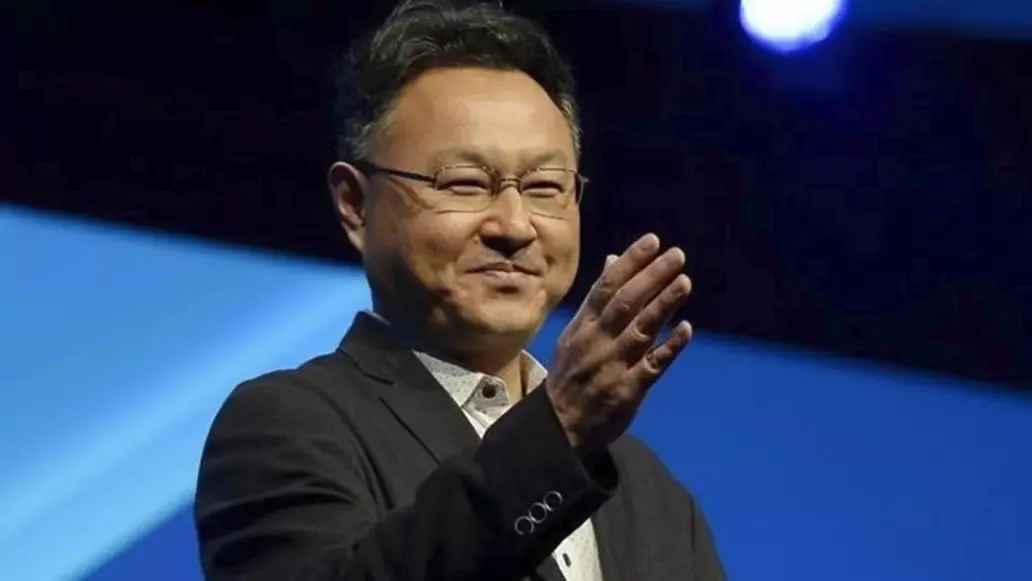
Shuhei Yoshida has shared one of the most striking behind the scenes PlayStation stories in recent years, revealing during the 2026 edition of Australian games festival ALT: GAMES that he was removed from his role leading PlayStation’s first party studios after clashing with then Sony Interactive Entertainment CEO Jim Ryan. The remarks were reported by This Week in Video Games, which cited Yoshida’s onstage comments about his 2019 exit from the presidency of Worldwide Studios.
Yoshida is one of the defining figures of PlayStation’s modern history. He joined Sony in the early PlayStation era and went on to become president of SIE Worldwide Studios in 2008, overseeing first party development during a period that helped deliver major titles tied to Santa Monica Studio, Naughty Dog, and Sucker Punch. During the reported ALT: GAMES appearance, Yoshida said he helped support games such as God of War, Uncharted, The Last of Us, and Ghost of Tsushima, describing the latter as one of the last projects he worked on while leading Worldwide Studios.
The most talked about part of the story is Yoshida’s blunt description of why the leadership change happened. According to the report, he said Jim Ryan wanted to remove him from first party because he did not listen to him, adding that Ryan had asked him to do “some ridiculous things” and that he refused. The comments were reportedly delivered with some humor, but the underlying point was still clear. What had long looked from the outside like a standard corporate reshuffle may have involved a much sharper internal disagreement over PlayStation’s direction.
Importantly, Yoshida did not leave Sony at that point. After stepping down from Worldwide Studios in November 2019, Sony announced that he would move into a new role focused on supporting external independent developers, an effort that later became closely associated with PlayStation Indies. He remained with Sony Interactive Entertainment until January 15, 2025, capping more than 31 years with the company.
That timeline gives Yoshida’s latest remarks a lot of weight because they come with the benefit of distance. He is no longer speaking as an executive constrained by corporate messaging, and that makes his wording especially revealing. At the same time, one important line should be kept clear: Yoshida did not publicly specify in the reporting what those “ridiculous things” actually were. Any attempt to directly tie that clash to later PlayStation strategy, including the company’s live service push, remains speculation rather than established fact based on the available reporting.
Still, the timing naturally invites discussion. The years that followed Yoshida’s move saw PlayStation invest heavily in a broader live service initiative under later leadership, a strategy that ran into serious turbulence and raised questions about long term studio direction. That context is why Yoshida’s remarks are likely to resonate so strongly now. They do not confirm every theory fans may want to attach to them, but they do suggest that internal disagreements over creative and strategic priorities at PlayStation may have been more serious than many assumed at the time. This part is an inference based on the timing of leadership changes and later business outcomes, not something Yoshida explicitly stated in the cited report.
For many players, Yoshida has long represented a more developer minded and creatively grounded face of PlayStation. That is why his comments land harder than a normal executive anecdote. He was deeply tied to an era when PlayStation’s identity was built around strong first party single player experiences, careful studio development, and long term creative trust. Hearing that his removal may have followed direct resistance to executive demands adds a very different layer to how fans may now interpret the company’s transition heading into the PlayStation 5 generation.
Whether Yoshida ever expands on exactly what he refused to do remains to be seen. For now, his comments have already done enough to reopen a major conversation about how PlayStation changed at the executive level, and what may have been lost along the way.
Do you think Shuhei Yoshida’s exit marked the moment PlayStation began moving away from the leadership style that built its strongest first party era?
