
Shift Up Expands Self Publishing Hiring Push and That Could Reshape Stellar Blade 2 Platform Plans
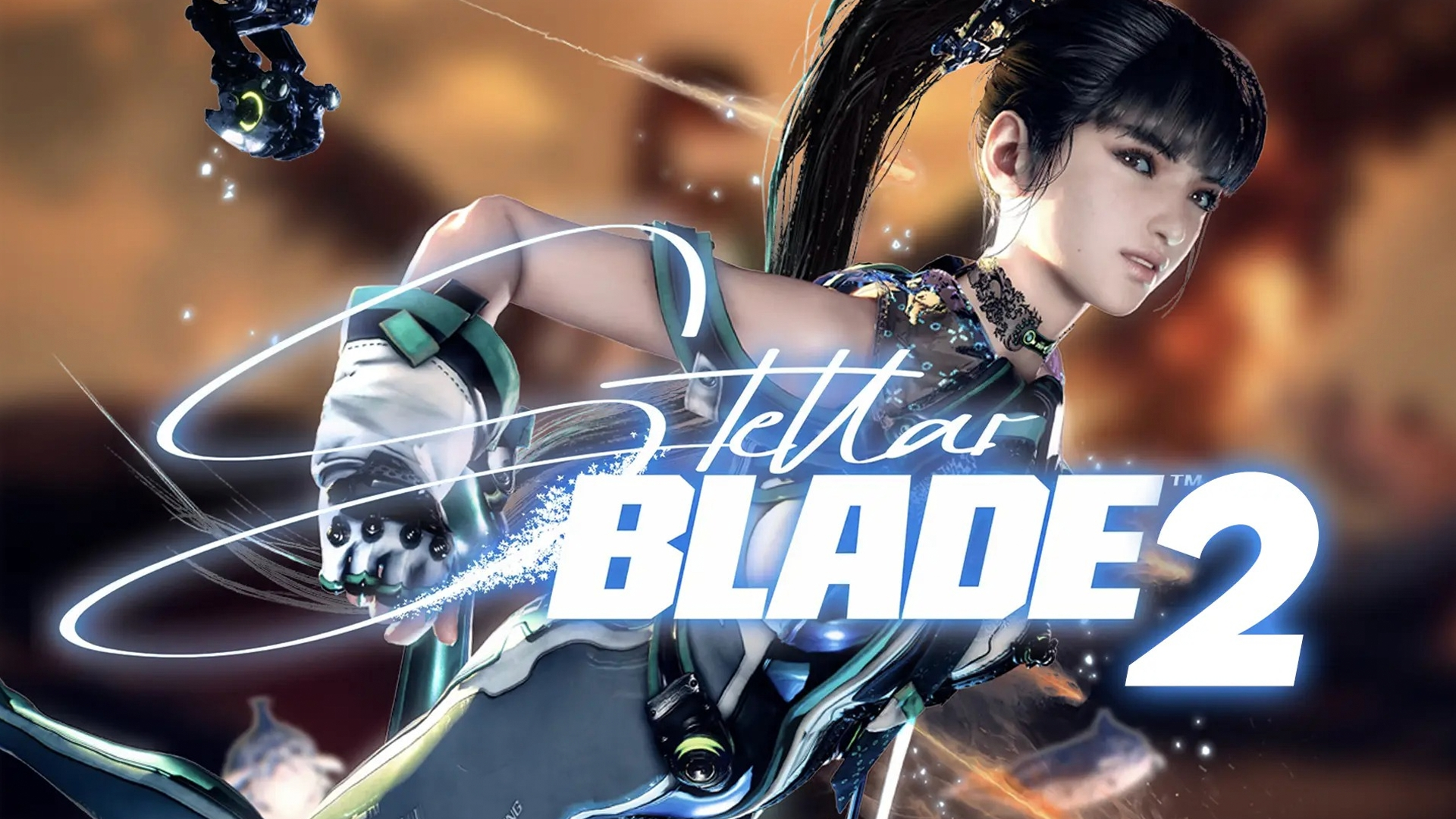
Shift Up’s breakout transition from mobile success into premium console and PC development has been one of the most watched growth stories in the Korean games industry, and Stellar Blade proved the studio can compete in the high end action space with a title that carries real global momentum. With Stellar Blade 2 confirmed in development, many players assumed Sony Interactive Entertainment would stay in the publisher seat, especially given the original game’s console launch alignment and the marketing weight that came with it. However, a new hiring signal suggests the sequel’s publishing setup may not be locked in the same way.
As reported by AUTOMATON and spotted through listings highlighted by Korean outlet GameMeca, Shift Up has been recruiting for roles that map directly to publisher side capability, including localization, marketing, and public relations. One job description is unusually direct about intent, stating that Shift Up aims to expand its self publishing capabilities to support internally developed titles across console and PC platforms. That wording is not subtle. It reads like a studio building the operational spine to ship and sustain games without needing a platform holder to run the global publishing machine.
For most players, the name on the publisher line is not as exciting as a trailer drop or a combat showcase, but it matters because publishing defines release cadence and platform strategy. If Sony publishes Stellar Blade 2, the more traditional outcome is a staged rollout where PlayStation leads and PC arrives later, potentially with staggered timing shaped by Sony’s broader portfolio scheduling and marketing beats. If Shift Up publishes directly, the probability of a simultaneous multi platform launch increases, because the studio would have stronger control over when and where the game ships, along with how it structures regional pricing, storefront promotions, and post launch content plans.
That is the core strategic trade. Platform holder publishing can bring funding stability, promotional scale, and storefront prominence, but it also introduces gatekeeping around exclusivity windows and platform sequencing. Self publishing increases autonomy and can accelerate reach, but it requires deep execution across global operations, ratings, localization pipelines, customer support, compliance, and live communications. The fact that Shift Up is hiring specifically in those functions suggests it wants to internalize the parts of the business that determine launch velocity and global consistency.
This also fits with Shift Up’s broader roadmap. Beyond Stellar Blade 2, the studio is developing Project Spirits, described as an Unreal Engine 5 project planned for PC, console, and mobile, published by Tencent’s Level Infinite label. The existence of that publishing partnership, alongside hiring that points toward self publishing for other titles, suggests Shift Up is diversifying its go to market options rather than relying on a single partner for every major release. It is a forward leaning publisher strategy, and it positions the studio to negotiate future deals from a stronger place, whether that means retaining more control, improving margins, or choosing launch timing that better serves its global audience.
For players, the practical upside is simple: if Shift Up succeeds at becoming a true multi platform publisher, Stellar Blade 2 could reach more platforms faster, reducing the friction that often comes with staggered releases and long waiting periods. The real question is how quickly Shift Up can scale this capability without compromising launch polish, because shipping on multiple platforms at once is not just a business decision, it is a quality assurance and production discipline challenge.
If Stellar Blade 2 goes multi platform day 1, would you rather see Shift Up self publish to keep releases synchronized, or keep Sony involved for maximum marketing scale even if PC comes later?
