
Sealed DDR5 Kits Reportedly Swapped With DDR2 Sticks and Fake Weight Plates as Amazon RAM Scams Escalate
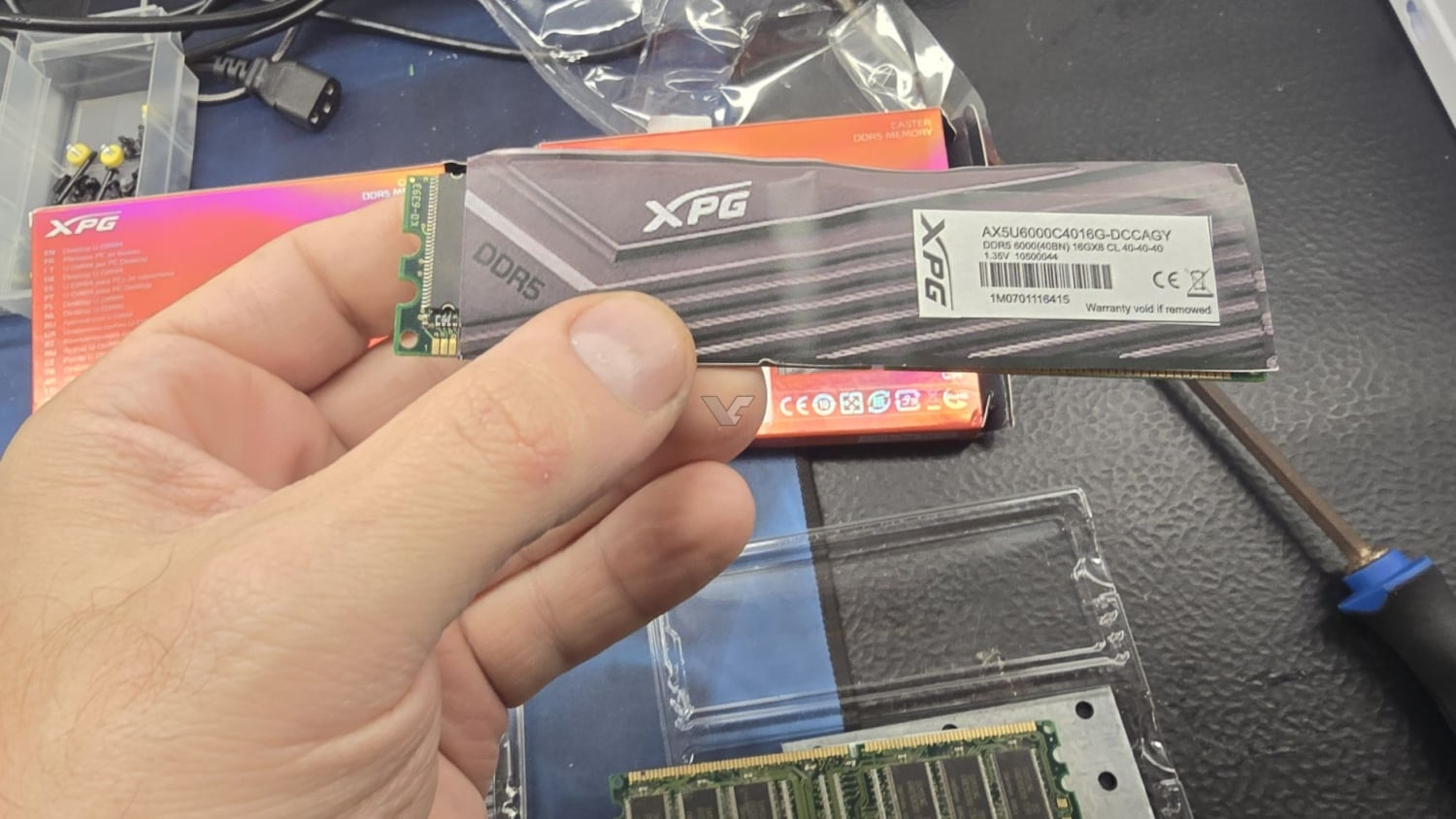
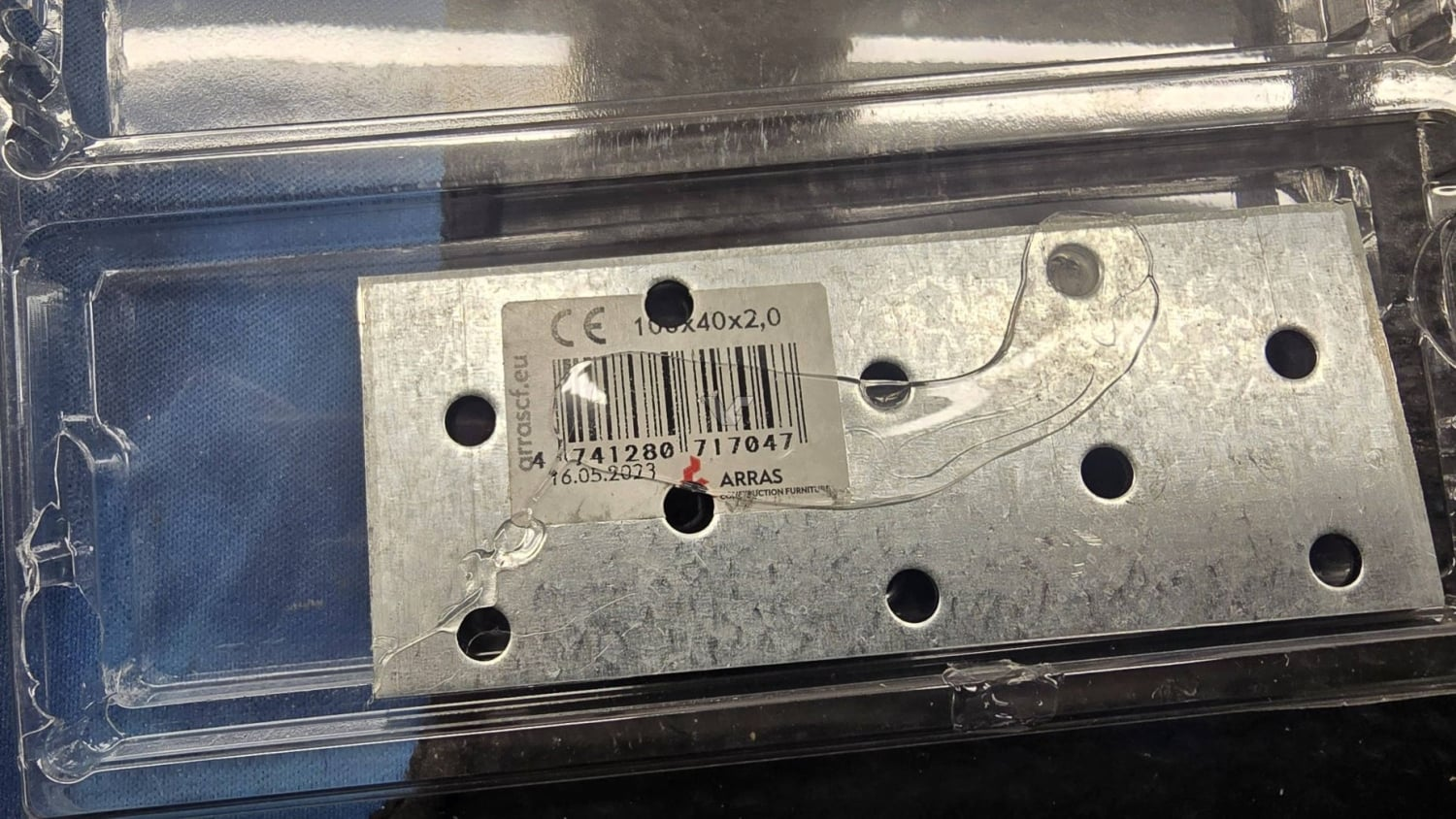
DDR5 RAM scams are no longer limited to mislabeled modules or simple box swaps. A new report suggests scammers are now going a step further by resealing retail looking DDR5 packaging and padding the box with a fake metal weight plate, all to make counterfeit contents feel legitimate in hand and look convincing through the clear window.
According to a story shared by VideoCardz, a reader purchased the last 4 units of ADATA XPG Caster 32GB DDR5 6400 CL40 memory from Amazon Spain. The shipments reportedly showed as coming from Ireland, with 3 kits arriving first and the 4th arriving a few days later. The buyer said 1 kit was resold and another kit was installed and worked normally, which is exactly what makes this kind of scam so dangerous, it can appear random and inconsistent across multiple boxes from the same order.
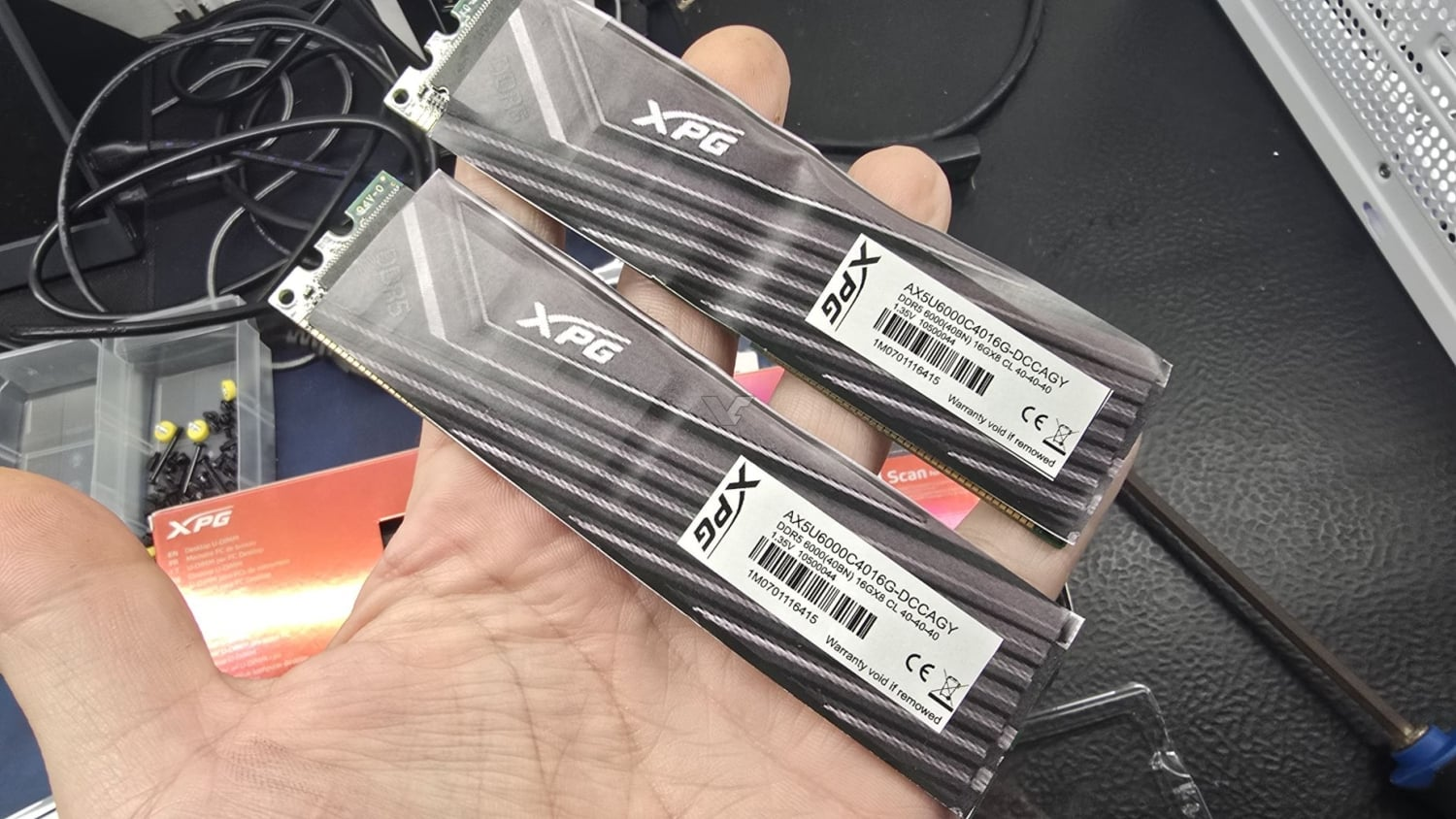
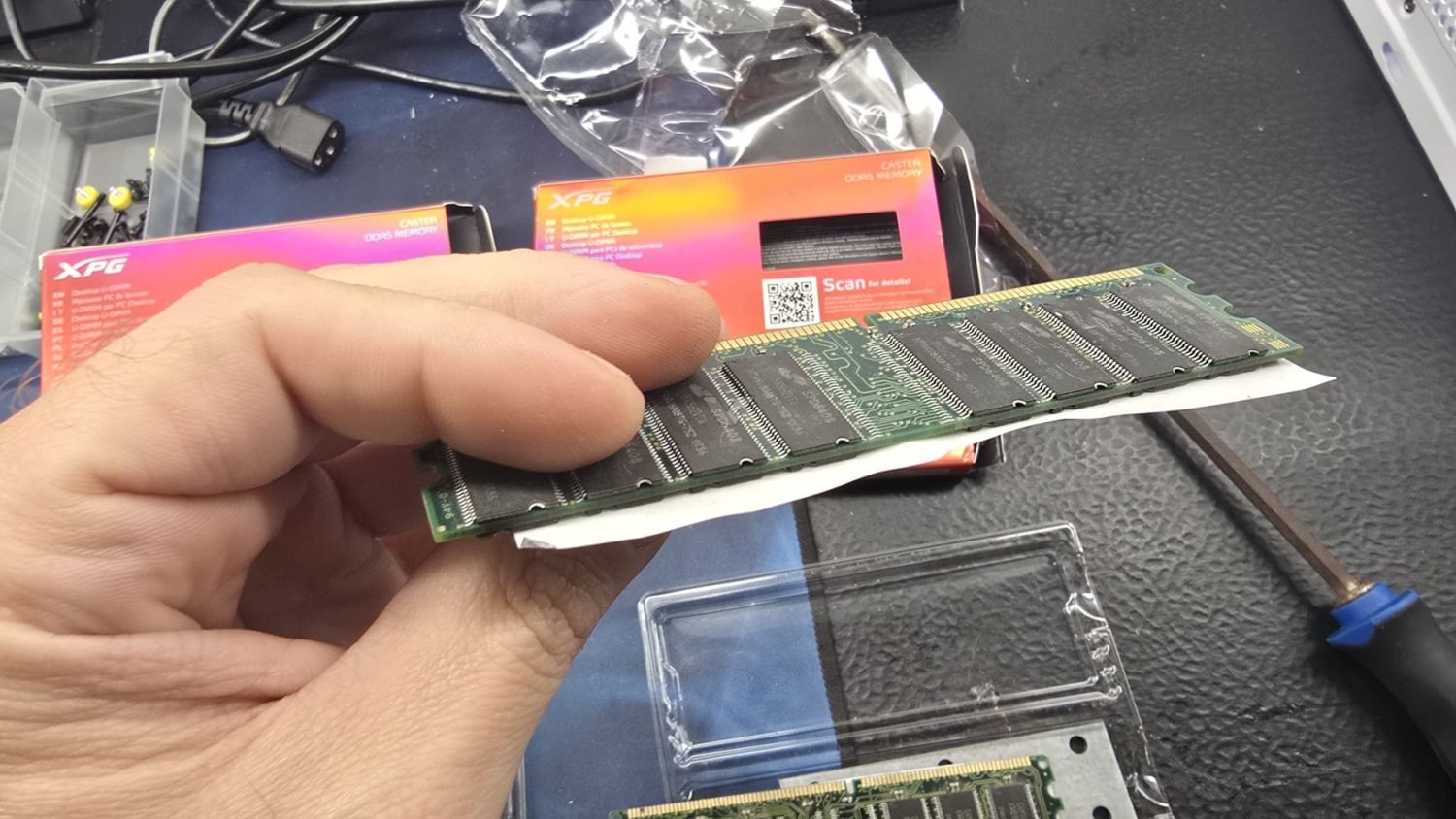
The situation reportedly changed when the buyer opened the 3rd kit. The box was still wrapped in plastic and looked like a standard new DDR5 kit from the outside. Inside, however, the contents were described as older DDR and DDR2 memory modules wearing counterfeit stickers designed to resemble a DDR5 heatsink label. Even more concerning, the package also included a metal plate that was likely added to mimic the expected weight of a real memory kit, a tactic that can reduce suspicion during returns, restocking, or quick unboxing checks.
The reader noted the counterfeit sticks could easily fool someone who only glances through the packaging window, but that the print quality looked noticeably worse up close. The 4th unopened kit was reportedly kept as a side by side reference point to compare a legitimate package versus the tampered one, strengthening the case that real ADATA XPG Caster DDR5 modules were swapped out, the box was resealed, and then resold as new.
At the time of the report, the buyer had submitted a return request, but it was not yet confirmed whether Amazon had refunded the order. Regardless of outcome, the bigger signal is the scam methodology itself: this is not just about putting the wrong product in the box, it is about engineering the full retail experience to pass casual inspection.
Update: ADATA shared an official statement addressing the situation, encouraging consumers to purchase only through official authorized partners and distributors to ensure authenticity. ADATA also pointed readers to its announcements page at ADATA announcements, and said it will continue evaluating packaging security, increase consumer education through official channels, and monitor unauthorized sales platforms to protect customers and brand integrity.
For builders and upgraders, especially anyone buying DDR5 during price swings, the practical lesson is simple: treat every high value component unboxing as verification, not routine.
-
Record the unboxing for any high value component order
Check the label on the module itself, not just the outer box
Confirm DDR generation before installation by looking at the notch position
If anything looks off, stop the build and start the return process immediately
Avoid mixing last minute purchases into a build day schedule if possible
Have you personally run into swapped PC hardware from major retailers, and what is your go to rule for avoiding return chain scams?
