
Sapphire’s Edward Crisler Urges Gamers Not to Panic Buy, Predicts Market Stabilization Within 6 to 8 Months
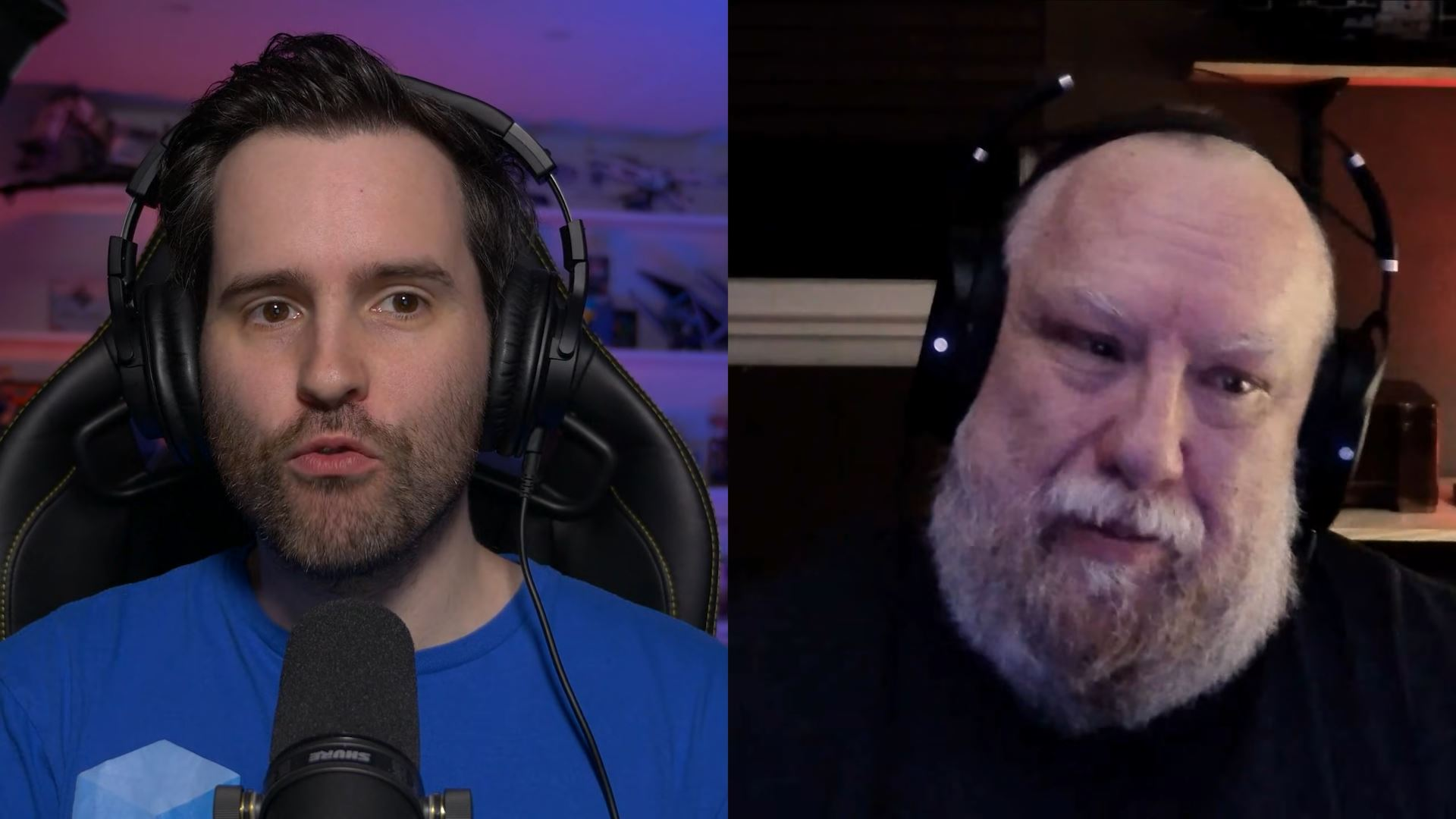
As fears of rising PC hardware prices continue to ripple through the enthusiast and gaming communities, panic buying has once again become a familiar reaction. However, Sapphire’s public relations manager Edward Crisler is urging gamers to take a step back. In a recent hour long discussion on Hardware Unboxed, Crisler offered a more optimistic perspective on the current DRAM and GPU market situation, arguing that panic driven purchasing is unnecessary and likely counterproductive.
During the interview, Crisler touched on a wide range of topics including graphics cards, RDNA 4, artificial intelligence workloads, and memory supply. His comments on DRAM were particularly notable, as they stand in contrast to the prevailing narrative that memory shortages will worsen throughout 2026 and persist into 2027 or even 2028.
According to Crisler, the biggest issue facing the market right now is not the absolute lack of supply, but uncertainty. He compared the current situation to the tariff driven anxiety earlier this year, when unclear policy direction created fear and pushed consumers into rushed buying decisions. In his view, it was not the tariffs themselves that caused disruption, but the surrounding uncertainty that fueled panic.
Crisler acknowledged that the next few months will be uncomfortable for gamers, noting that uncertainty is likely to impact the market for roughly six months. However, he emphasized his belief that conditions will begin to stabilize within a six to eight month window. While stabilization does not mean an immediate return to pre shortage pricing, he suggested it would mark the end of the most volatile phase.
He was especially direct in advising against fear based purchases. Crisler encouraged gamers to avoid buying hardware simply because they feel pressured to do so, recommending instead that they hold onto their money, enjoy the systems they already own, and wait for a more rational upgrade opportunity. His message was clear that reacting emotionally to market noise often leads to poor value decisions.
Interestingly, Crisler’s advice carries additional weight given his role within a GPU vendor. Rather than pushing consumers toward constant upgrades, he argued that many gamers already own capable hardware from previous generations and would be better served waiting for a meaningful performance leap. In his view, chasing the latest CPU or GPU every year rarely delivers a true upgrade experience and often results in wasted spending.
He also highlighted the resilience of the gaming community, pointing out that gamers have already endured extreme market conditions before. During the cryptocurrency boom, graphics cards were not only overpriced but frequently unavailable altogether. Despite this, the community adapted, delayed upgrades, and ultimately recovered once conditions normalized.
While Crisler’s outlook runs counter to several industry forecasts predicting prolonged memory tightness, his comments introduce a more balanced perspective. He does not deny that the market will remain challenging in the short term, nor does he promise a rapid return to low prices. Instead, he frames the current period as one of temporary instability driven largely by fear, rather than an irreversible structural collapse.
Whether his prediction proves accurate remains to be seen. What is clear, however, is that his message resonates with a growing segment of gamers who are fatigued by constant price volatility and upgrade pressure. In an environment where every rumor can spark another buying frenzy, Crisler’s call for patience stands out as unusually grounded.
Are you holding off on upgrades and waiting for the market to stabilize, or do you feel pressured to buy hardware before prices climb further?
