
Samsung Lands Exclusive 3 Year Apple Foldable Display Deal as Analysts Forecast It Could Overtake NVIDIA in Operating Profit by 2027
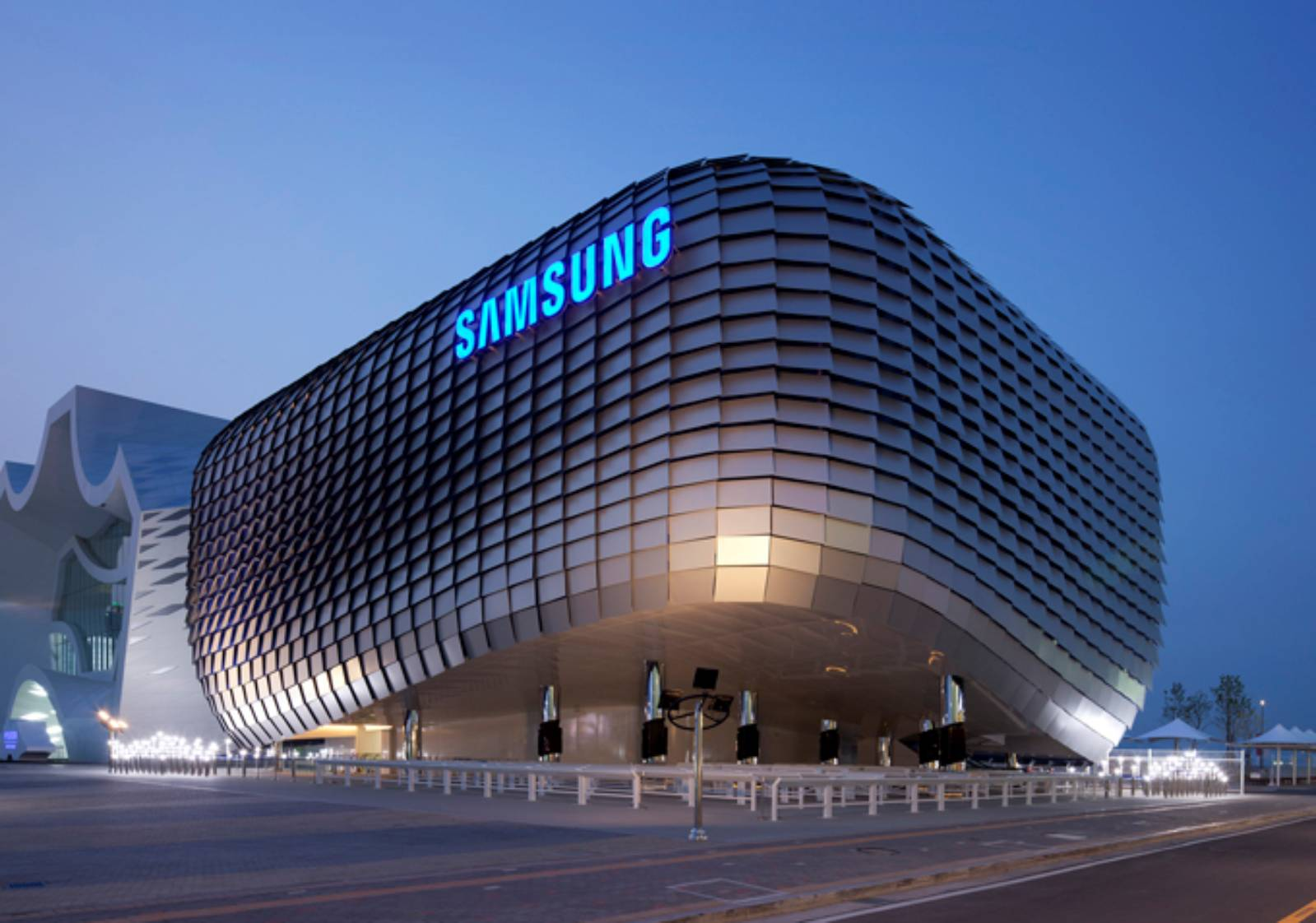
Samsung’s momentum in 2026 is becoming harder to ignore. The South Korean giant has already guided for a record breaking Q1 2026 operating profit of about 57.2 trillion won, or roughly 37.9 billion dollars, according to its official earnings guidance and Reuters reporting, driven primarily by the ongoing memory boom tied to AI infrastructure demand. That figure alone would represent more than an eightfold increase year over year and a new quarterly high for the company.
The bigger headline, however, is not just Samsung’s current quarter. It is the increasingly aggressive view forming around what comes next. According to a report cited by Jukanlosreve on X and covered by South Korean financial media, KB Securities now projects Samsung could generate 327 trillion won in operating profit in 2026 and 488 trillion won in 2027. That is an analyst forecast, not company guidance, but if it materializes, it would put Samsung in position to surpass NVIDIA on operating profit by 2027 rather than immediately or “soon” in a literal sense.
Bookmark this. KB Securities expects Samsung to make more money than Nvidia next year. pic.twitter.com/KNlDOG3gEd
— Jukan (@jukan05) April 8, 2026
That distinction matters. Right now, the most solid confirmed data point is Samsung’s own Q1 guidance. The much bigger annual figures are still forward looking analyst estimates, and while they reflect just how strong the memory cycle has become, they should still be treated as projections rather than established results. Reuters has also reported that surging AI data center demand has tightened chip supply and pushed memory prices sharply higher, reinforcing why analysts have become so bullish on Samsung’s earnings trajectory.
At the same time, Samsung has reportedly secured another important strategic win outside memory. According to The Elec, Apple will exclusively source foldable OLED displays from Samsung Display for the next 3 years for its first foldable iPhone line. Multiple outlets citing the same report say Samsung Display plans to begin mass production in the second quarter, with Apple relying on Samsung because competing alternatives still appear less mature in foldable OLED execution.
From a market positioning standpoint, this is a meaningful development for both companies. For Samsung, it adds another premium revenue stream on top of a memory business already benefiting from one of the strongest pricing environments in years. For Apple, it underlines how difficult foldable hardware still is at the top end of the market. Reports tied to the foldable iPhone supply chain suggest Apple is pursuing a very demanding display design with a strong emphasis on minimizing the visible crease, and one widely cited figure places that crease depth target at around 0.15 mm. That specification has not been confirmed by Apple, but it aligns with the broader view that the company is demanding an unusually refined panel and hinge stack for its first foldable device.
The broader takeaway is that Samsung is now benefiting from 2 high value technology trends at the same time. One is the AI infrastructure race, where soaring demand for DRAM and HBM is lifting profitability across the memory sector. The other is the early premium foldable market, where Samsung Display appears to have established a technical lead strong enough to win Apple’s business on an exclusive basis, at least for this first multiyear cycle. Reuters notes that Samsung’s memory gains are already being driven by AI infrastructure demand and higher chip prices, while the Apple display deal strengthens the company’s position in another future facing hardware segment.
There is still some caution required here. The claim that Samsung will become more profitable than NVIDIA is based on one highly bullish analyst forecast, not on reported annual results. NVIDIA also remains on a massive growth curve of its own, having reported fiscal 2026 revenue of 215.9 billion dollars and Q4 fiscal 2026 revenue of 68.1 billion dollars, with Reuters noting that Wall Street still expected strong near term growth following those results. So while Samsung’s trajectory is clearly powerful, the “more profitable than NVIDIA” angle should be framed as a possible 2027 scenario, not a settled outcome.
Still, even with that nuance, Samsung’s current position looks exceptionally strong. It has a record breaking quarter on the table, one of the most bullish long term profitability forecasts in tech right now, and a reported exclusive display relationship with Apple in one of the industry’s most anticipated new device categories. That is not just a winning streak. It is Samsung reinforcing its relevance across AI, memory, and next generation mobile hardware all at once.
Do you think Samsung’s biggest long term advantage will come from AI memory demand, or from becoming the display partner behind Apple’s foldable push?
