
Samsung 2026 Micro RGB, Neo QLED, and OLED TV Lineup Highlights a 130 Inch Flagship and Gamer Focused Upgrades

Samsung is leaning hard into ultra premium scale and AI enhanced picture processing for 2026, using CES 2026 as the stage to expand its TV strategy across Micro RGB, Neo QLED, and OLED. The headline grabber is Samsung’s world first 130 inch Micro RGB TV, the R95H, positioned as the company’s largest Micro RGB display so far and a statement piece designed to look less like a television and more like an architectural centerpiece in a modern living space. Samsung’s official reveal frames this model as the peak of its picture quality innovation, pairing a Timeless Frame design with upgraded audio integration and a processing stack built around Micro RGB AI Engine Pro, Micro RGB Color Booster Pro, and Micro RGB HDR Pro, all aimed at boosting dull tones, refining contrast, and preserving detail across bright and dark scenes for a more immersive experience.

Under the hood, Samsung highlights Micro RGB Precision Color 100 with 100 percent BT.2020 wide color gamut coverage, plus VDE certification for precise Micro RGB color reproduction, targeting controlled hues that stay true to life on screen. The 130 inch R95H also includes Samsung Glare Free technology to reduce reflections and maintain contrast in varied lighting, which is a practical win for real homes where ambient light can easily sabotage premium panels. Samsung also calls out support for HDR10+ ADVANCED and Eclipsa Audio, then layers in its Vision AI Companion to enable conversational search, proactive recommendations, and access to AI features and apps such as AI Football Mode Pro, AI Sound Controller Pro, Live Translate, Generative Wallpaper, Microsoft Copilot, and Perplexity.
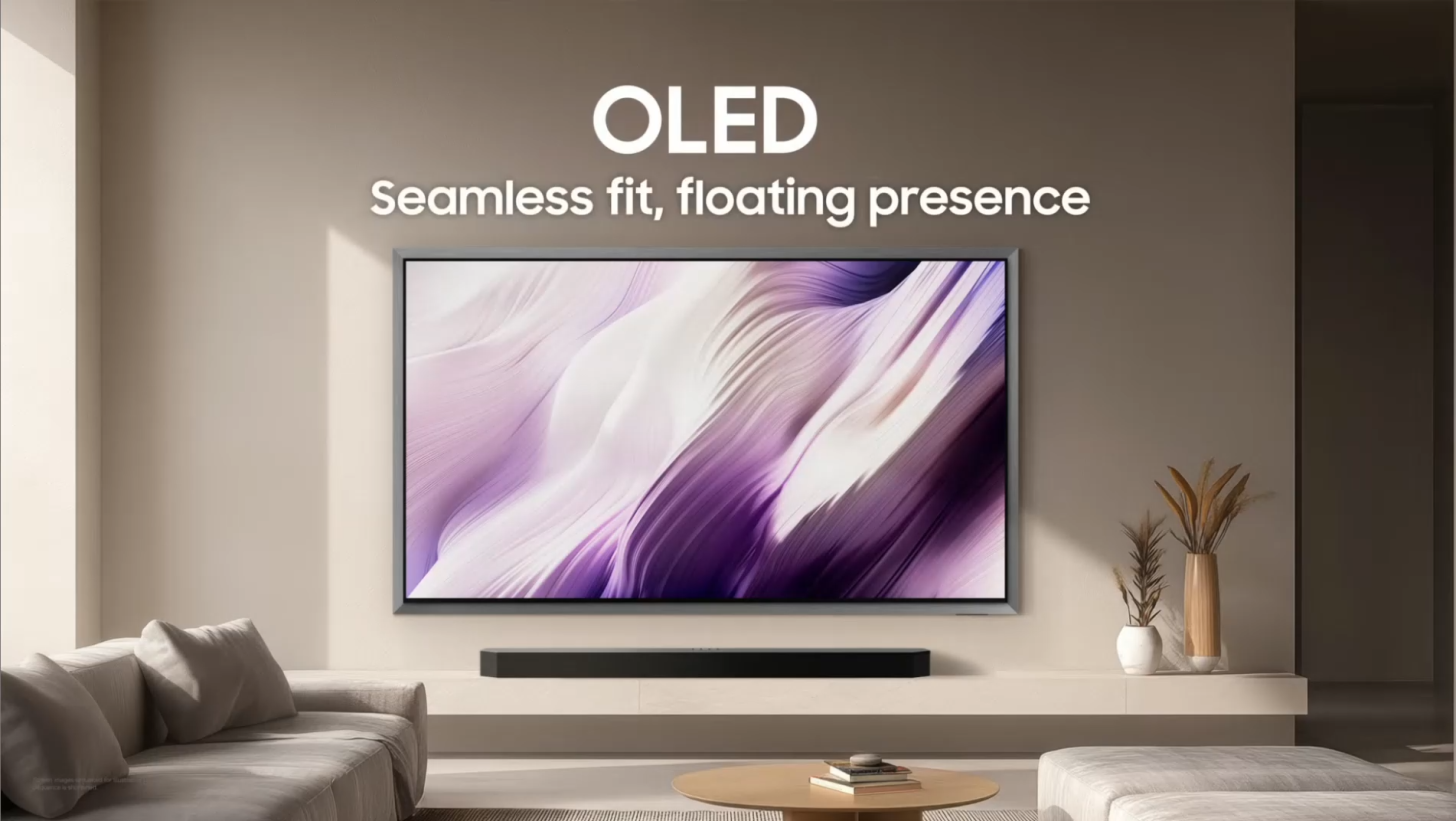
While the 130 inch Micro RGB is the prestige anchor, Samsung’s broader 2026 lineup messaging also targets everyday form factors and gamer focused use cases. The company is introducing an UltraThin OLED S95H concept with a zero gap mount for a seamless wall fit, and Samsung is emphasizing that its 2026 TV lineup running on TizenOS will receive 7 years of upgrades for supported models. For players who treat the living room TV as their primary console display, Samsung also showcased a 48 inch OLED S95H variant positioned around rich gaming experiences, featuring a 165Hz VRR refresh rate alongside built in Dolby Atmos and Object Tracking sound. Samsung also previewed a 77 inch model that reaches 4500 nits peak brightness, which is the kind of spec that can materially improve HDR punch in bright scenes when the content is mastered well.
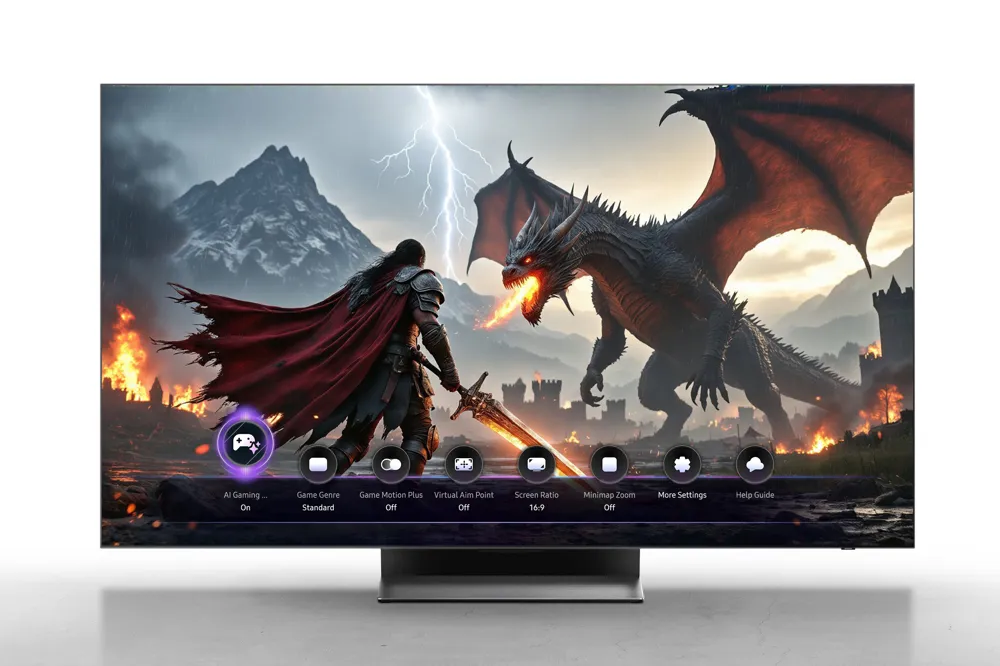
For gamers and tech enthusiasts, the strategic read is clear. Samsung is trying to own both ends of the experience ladder in 2026: ultra premium showcase displays that flex engineering and design leadership, and practical OLED and QLED options that integrate high refresh gaming, AI powered convenience features, and longer platform support windows. If Samsung executes on calibration consistency and keeps latency and VRR behavior clean across platforms, the 2026 lineup could land as one of the more compelling upgrades for players who want a living room setup that feels closer to a high end monitor experience without sacrificing cinematic scale.
If you were upgrading your gaming display in 2026, would you prioritize a higher refresh OLED like 165Hz VRR, or peak HDR brightness like 4500 nits for more cinematic single player immersion?
