
Rumors Signal Mid 2027 Arrival For AMD RDNA 5 Radeon GPUs With TSMC N3P Tapeout
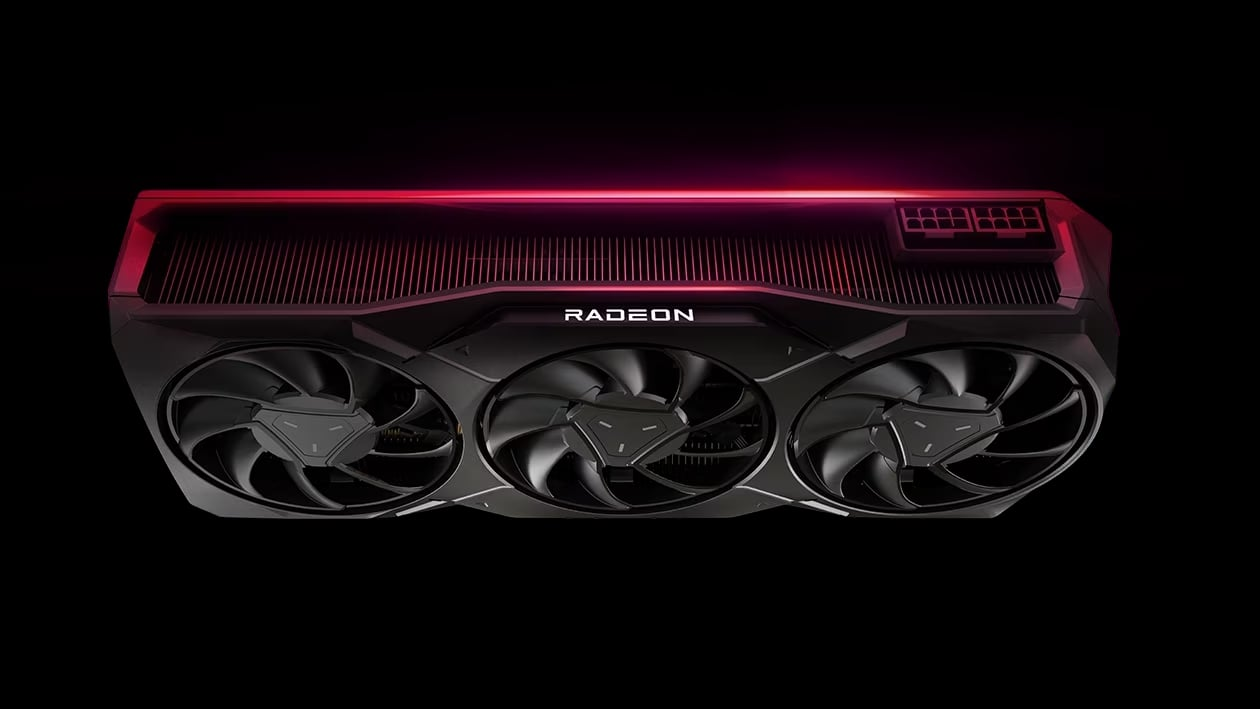
A new wave of Radeon roadmap chatter is pointing to a notably longer runway before AMD’s next major consumer GPU launch, with leaker commentary suggesting RDNA 5 may not land in the market until around mid 2027. The claim comes from Kepler L2 on X, who frames 2026 as a relatively quiet period for fresh Radeon launches, with AMD instead aligning its timelines toward ramping production later in 2026 to support a broader consumer push in 2027.

One key part of the rumor cycle is a manufacturing narrative check. The same discussion pushes back on talk that Samsung fabs would be used for RDNA 5 production, instead stating that AMD has already taped out its next generation graphics lineup on TSMC N3P. If accurate, that positions RDNA 5 on a more advanced node than the N4P class process widely associated with current generation Radeon products, and the node jump alone would be a meaningful lever for performance per watt and density.
From a platform strategy perspective, the rumored N3P move matters because process improvements typically translate into higher achievable clocks at similar power, reduced power at similar performance, and better transistor density for larger designs. The numbers being circulated around N3P versus older 5 nm class baselines include up to 18% higher speed potential, 36% lower power, and a 24% area reduction, which would give AMD flexibility to spend those gains on more compute, higher clocks, more cache, or better efficiency tuning depending on product targets.
Beyond the wafer story, the more exciting gamer facing angle is the feature set AMD has already been hinting at for its future graphics architectures. Three rumored pillars keep resurfacing in this RDNA 5 discussion cycle.
Universal Compression is described as a broader data evaluation and compression approach intended to reduce memory bandwidth pressure across the GPU. If AMD can meaningfully cut bandwidth demand, that can translate into better real world performance consistency, lower reliance on extremely wide memory interfaces, and improved scaling in bandwidth heavy scenes.
Neural Arrays are positioned as compute blocks that can share and process data in a more coordinated way, essentially behaving like a unified AI oriented engine. The practical implication would be more capable acceleration for upscaling, frame generation style techniques, denoising, and other ML driven rendering assists, especially as games continue to lean harder into reconstruction pipelines.
Radiance Cores are described as dedicated ray traversal hardware aimed at boosting real time ray tracing and path tracing throughput. If this lands as a true hardware upgrade and not just scheduling improvements, it could be one of the biggest quality of life wins for high end lighting workloads, where current generation GPUs still hit performance cliffs in heavy RT scenes.
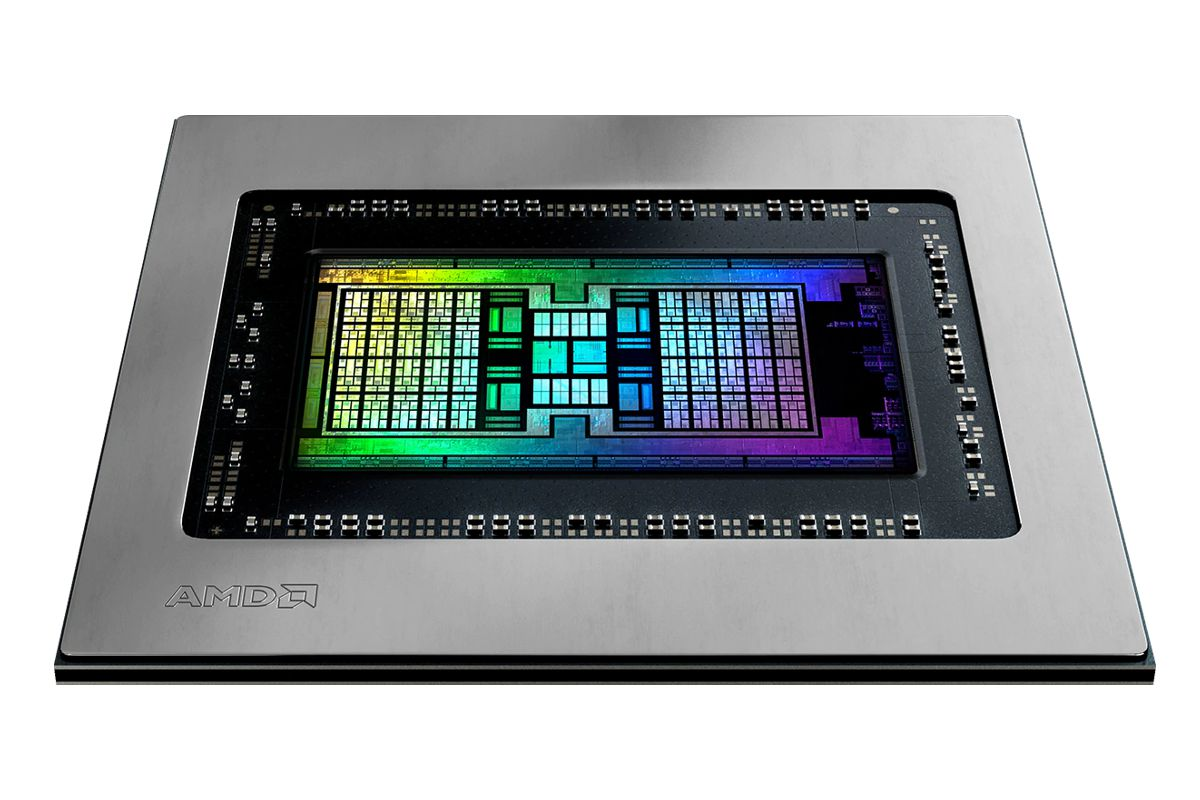
Another noteworthy point in the rumor set is that these architectural updates may not be limited to discrete desktop cards. The same technology direction is being linked to future console silicon from Sony and Microsoft, with code names floating around in rumor circles. Even without firm confirmation, it aligns with the reality that console and PC architectures increasingly share core building blocks, and that changes made for one ecosystem often ripple into the other.
On the leak visibility side, there have also been mentions of next generation AMD GPU IP identifiers appearing in early Linux kernel codebases, suggesting internal enablement work has begun. This does not confirm final consumer products, but it does reinforce the idea that next generation GPU IP is in active development and validation cycles, which would be consistent with a late 2026 production ramp and a 2027 launch window.
The macro factor hanging over all of this is memory. With AI demand pulling heavily on DRAM and advanced memory supply chains, the broader PC component market has been feeling pricing and availability pressure across RAM, GPUs, and SSDs. If memory allocation remains tight through 2026, it becomes even easier to understand why GPU vendors might choose fewer launches and more controlled ramps, rather than betting on aggressive volume plans that depend on fragile supply.
If the mid 2027 timing holds, 2026 may end up being less about brand new Radeon families and more about lifecycle management, driver maturity, and potentially selective refresh activity if market conditions allow. For enthusiasts, that means a longer stretch where optimization, price stability, and real availability could matter more than headline launches.
If RDNA 5 really lands in 2027, would you rather see AMD deliver a major leap in ray tracing and AI upscaling, or prioritize aggressive pricing and wide availability for the next Radeon generation?
