
Redfall Director Believes the Game Could Have Been Saved if Version 1.4 Had Been the Launch Build
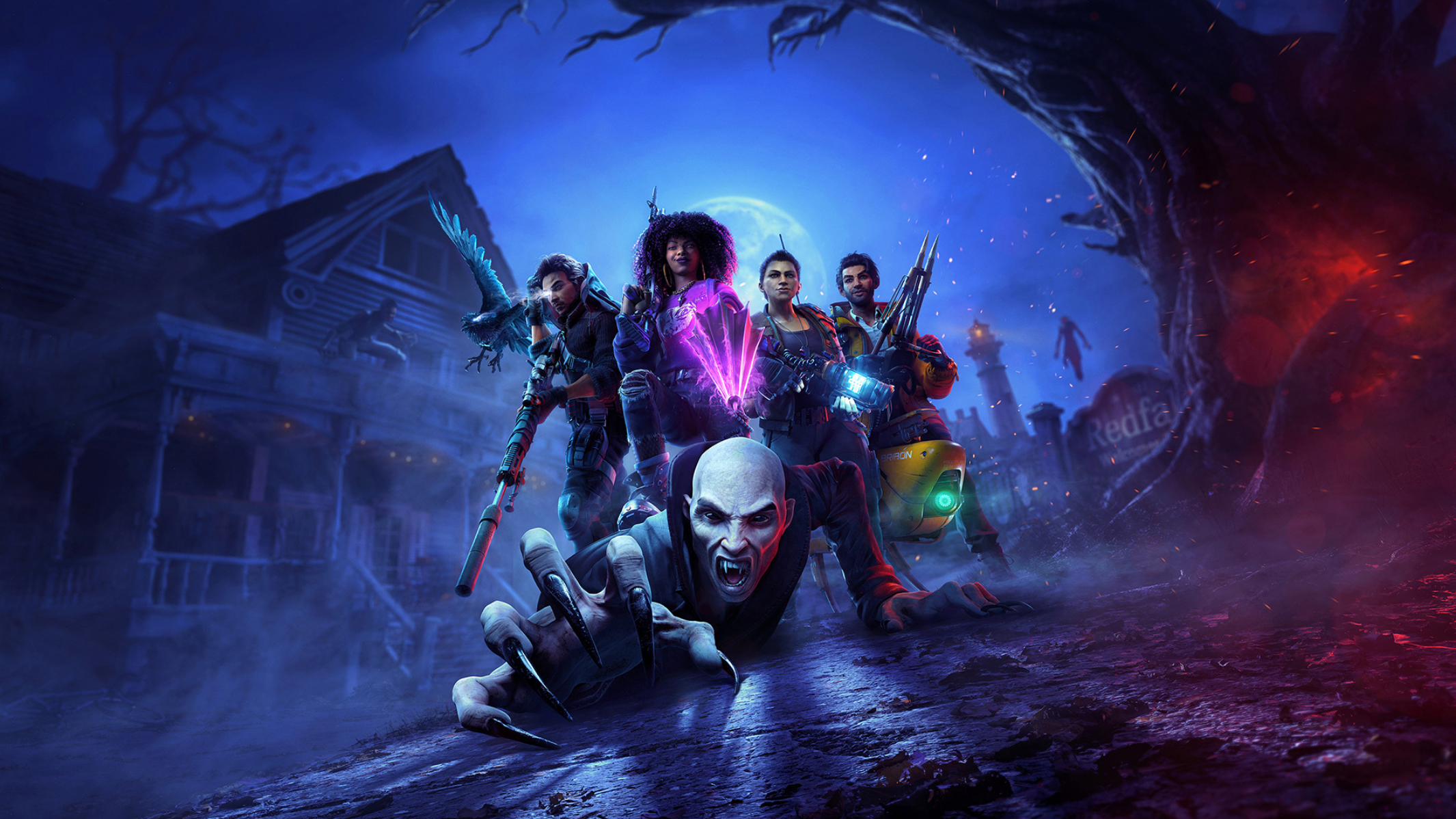
Before Concord became the latest cautionary tale of a failed live service gamble, Redfall had already set a painful precedent. Both titles launched as first party projects, both failed to resonate with players, and both ultimately led to the closure of their respective studios. Yet, in the case of Redfall, the aftermath carried a deeper sense of loss for the industry, particularly with the shutdown of Arkane Austin, a studio long respected for its single player pedigree.
Redfall’s troubled development and disappointing 2023 launch marked a dramatic departure from what Arkane Austin was known for. The studio, celebrated for immersive single player experiences, was pushed into unfamiliar territory with a cooperative shooter design that never fully aligned with its strengths. Despite efforts to maintain an Arkane identity, the result was a game that landed as competent but forgettable, failing to meet player expectations or justify its live service ambitions.
According to Redfall director Harvey Smith, there may have been a path to a very different outcome. Speaking on the My Perfect Console podcast, Smith reflected on the studio’s closure and the state of Redfall at the end of its development cycle. As reported by Eurogamer, Smith believes that if Redfall’s final major update had been the version players received at launch, Arkane Austin’s fate might have unfolded very differently.
“It was a shock,” Smith said when discussing the decision to close the studio. “It was not a decision I agreed with. I did believe very much in the future of the studio, we were working on something super cool.” He went on to describe update 1.4 as a substantial transformation of the game, calling it a “huge upgrade.” In Smith’s view, launching with that version and iterating from there could have changed Redfall’s reception and, by extension, the studio’s survival. He added that update 1.4 came as close as Arkane Austin ever managed to get to its original vision for the project.
That perspective adds further weight to long standing criticism that Redfall was released before it was ready. Performance issues, lack of depth, and underdeveloped systems dominated early impressions, and while later updates addressed many of these shortcomings, the damage had already been done. In a market increasingly unforgiving of rough launches, Redfall never received the opportunity to rebuild momentum in a meaningful way.
Smith also hinted at what the industry lost with Arkane Austin’s closure. Beyond Redfall, the studio had been exploring other creative directions, including early work on a Blade Runner game. “We were working for a while on a Blade Runner game, which was super exciting to me,” Smith said. “What we could have done with Blade Runner…” The project never progressed far enough to be formally announced, but the implication underscores the broader cost of the studio’s shutdown.
Redfall’s story now stands as a reminder of how fragile even well regarded studios can be when strategic shifts collide with market pressure. Whether update 1.4 could truly have saved the game will always be hypothetical, but Smith’s comments reinforce a growing industry lesson. Launch quality is no longer just about first impressions. In many cases, it determines whether a studio is given the chance to survive at all.
Do you think Redfall could have recovered if it had launched in a stronger state, or was the project fundamentally misaligned from the start?
