
Radeon HD 7950 Sees Major Performance Gains on Linux Kernel 6.19 as AMDGPU Becomes the Default Driver
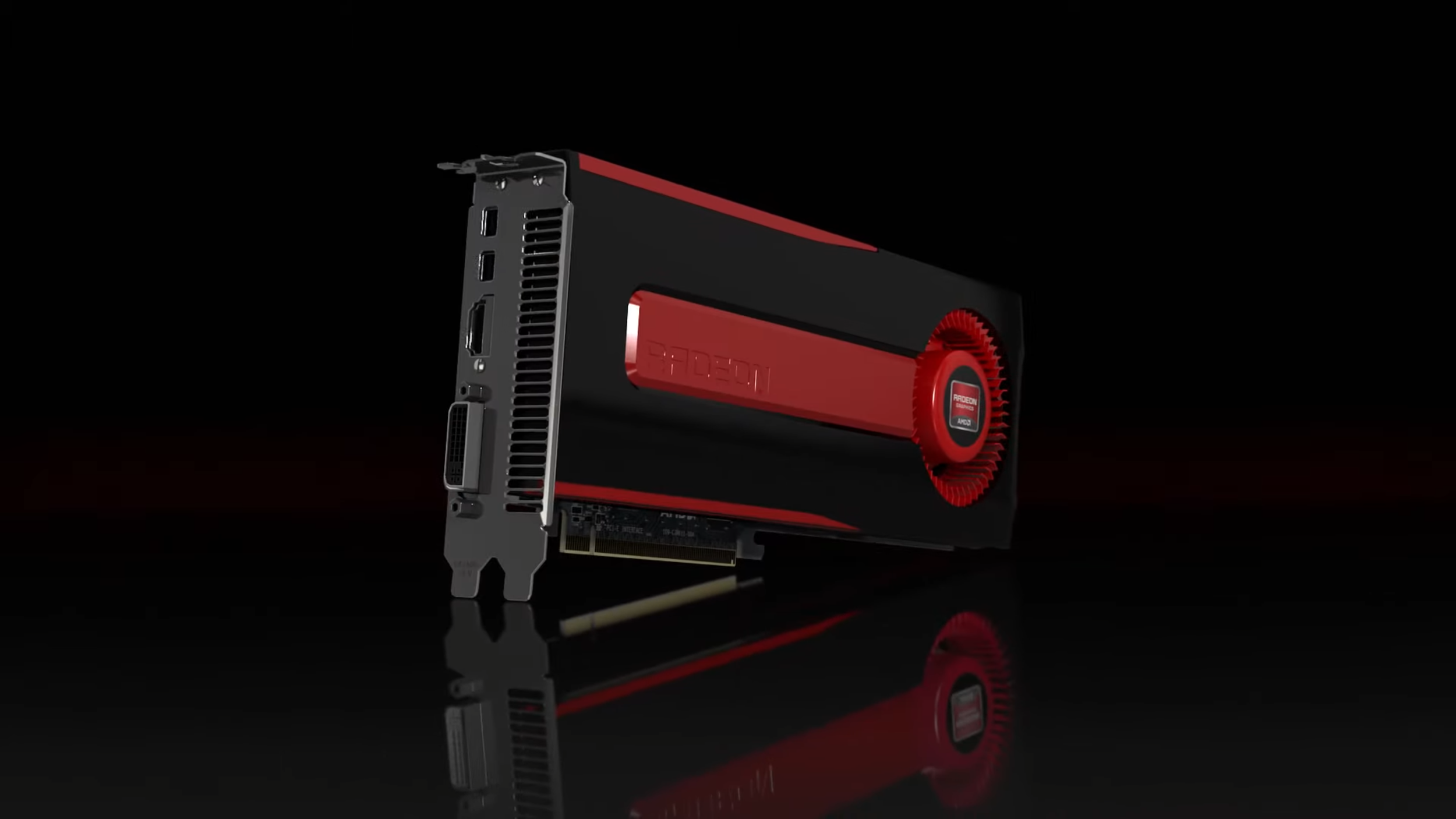
A meaningful quality of life upgrade is coming to older AMD graphics cards on Linux, and it is the kind of change that can extend the practical lifespan of a GPU many PC gamers already wrote off years ago. Recent patches are transitioning AMD GCN 1.0 Southern Islands and GCN 1.1 Sea Islands GPUs away from the legacy Radeon kernel driver and onto the newer AMDGPU driver module by default, aligning these older architectures with the same core driver stack used by modern AMD graphics hardware.
Early testing shared by Phoronix testing report shows just how impactful this shift can be, using the Radeon HD 7950 as the reference GPU. The Radeon HD 7950 is a GCN 1.0 card that has historically been tied to the aging Radeon driver, but with Linux kernel 6.19 moving it onto AMDGPU by default, the card reportedly runs cleanly across both gaming and non gaming workloads.
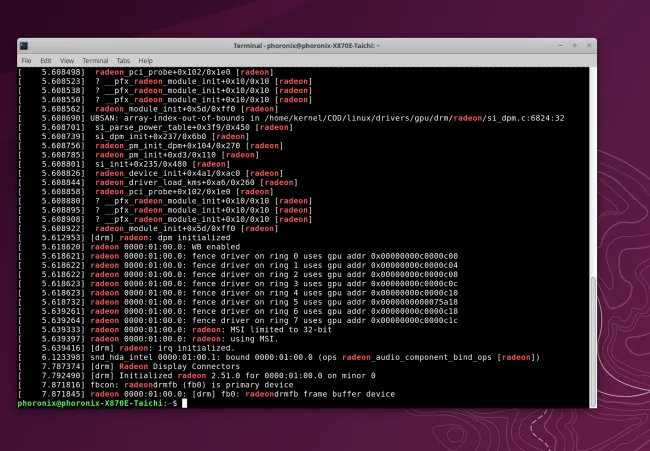
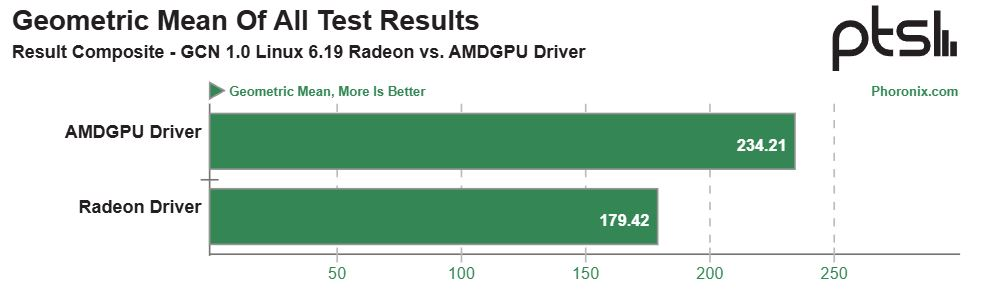
Linux kernel 6.19 is scheduled for release in 02 2026, and the performance story here is not subtle. Phoronix compared results between the Radeon driver and AMDGPU and reported strong gains across a wide range of benchmarks and real applications, including Xonotic 0.8.6, YQuake2 8.10, Unigine, GravityMark 1.87, plus multiple GPU oriented tests. Across the board, many tests showed a clear uplift, and the overall outcome was reported as roughly 30% higher performance versus the legacy Radeon kernel driver.
The Vulkan angle is also a strategic unlock. A major benefit of the transition is that GCN 1.0 and GCN 1.1 GPUs can properly leverage Vulkan through the AMDGPU kernel driver, which improves compatibility and can reduce CPU bottlenecks in older Vulkan enabled games. That does not mean these cards suddenly become modern AAA monsters, because limitations still apply, including missing newer Vulkan features and tighter VRAM ceilings. But it does mean that a large library of older games and lightweight competitive titles can run with higher FPS, smoother frametimes, and better overall system responsiveness on Linux.
From a practical gamer perspective, this is the best kind of upgrade: no new hardware required, just a stronger software foundation that makes classic GPUs feel less like museum pieces and more like budget friendly backup options that still get the job done.
Do you still have a GCN era AMD card in a secondary PC, and would a 30% uplift on Linux make you reinstall it for a retro or esports build?
