
Project Blackbird Was My Career Dream Game and Its Cancellation Led to My Resignation Says Ex ZOS Founder
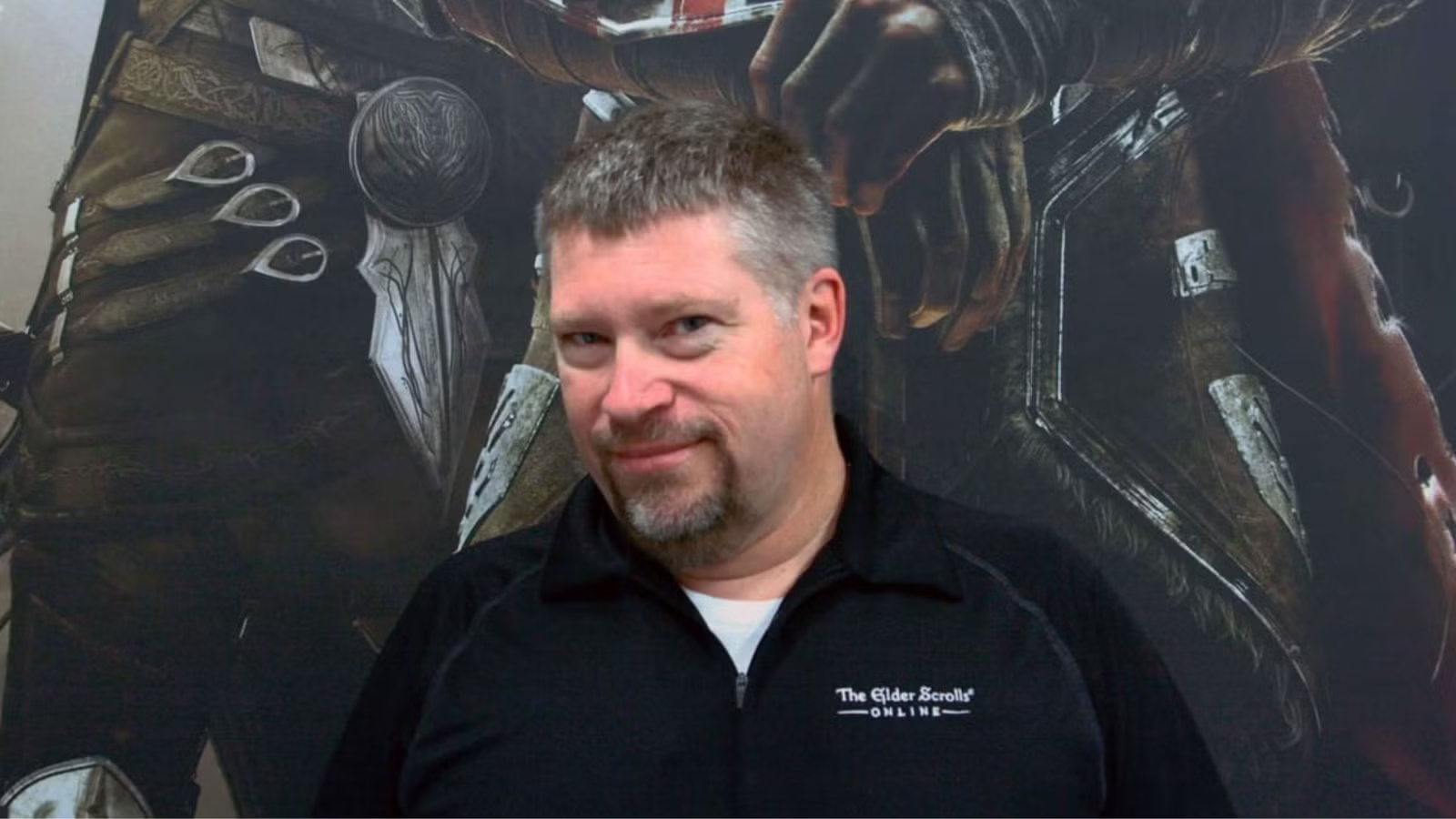
After months of silence following the shutdown of ZeniMax Online Studios unannounced project Blackbird, former studio founder and studio head Matt Firor has now confirmed, in his own words, that the cancellation was the direct trigger for his departure. In a new statement shared on LinkedIn, Firor says Project Blackbird was the game he had waited his entire career to create, and that losing it led to his resignation.
Firor also directly addresses the other question he says he gets most often: whether he is involved with the new projects being created by former ZeniMax Online Studios developers who were impacted by the cancellation and layoffs. His answer is clear. He is not leading those efforts and is not directly involved, though he says he is advising some teams informally and believes the projects are in good hands under their current leaders. He also emphasizes empathy for the developers affected, noting many were colleagues he had worked with for 20 plus years, and describing them as an exceptionally dedicated and talented group.
While Project Blackbird will not see the light of day, the scale of the effort behind it is what makes this confirmation land so heavily. Prior public information around the project indicated it had been in development for more than 7 years, and that it had grown into a sizable production internally. Firor’s message reframes the cancellation not as an abstract corporate reset, but as the end of a long runway investment that carried deep personal meaning for one of the key leaders behind The Elder Scrolls Online.
Firor also takes the opportunity to close the loop with the community that stayed with ZeniMax Online Studios for over a decade. He expresses gratitude toward both the developers and players of The Elder Scrolls Online, calling it one of the most welcoming communities in online gaming, and he notes he has now moved from being part of the development team to being a regular player, enjoying the game as an anonymous community member.
For the industry, this is another example of how modern portfolio decisions can collide with creative identity, even for veteran leaders with major shipped successes. When a studio builds momentum around a long incubation project and then loses it late in the cycle, the damage is not limited to sunk cost. It can fracture leadership continuity, disrupt culture, and scatter talent into new teams and new companies. The silver lining is that creative energy rarely disappears. It simply re routes. Firor’s informal advising and his confidence in the spin up teams suggests there is still a strong chance parts of Project Blackbird’s ambition, tone, or design philosophy re emerge in future projects, even if the original game is gone.
If a studio cancels a project after 7 plus years, should players demand more transparency from publishers, or is silence the inevitable cost of how modern game funding and portfolio management works?
