
PlayStation 6 Ray Tracing Claim Is Likely Being Overread as 10x RT Does Not Mean 10x Game Performance
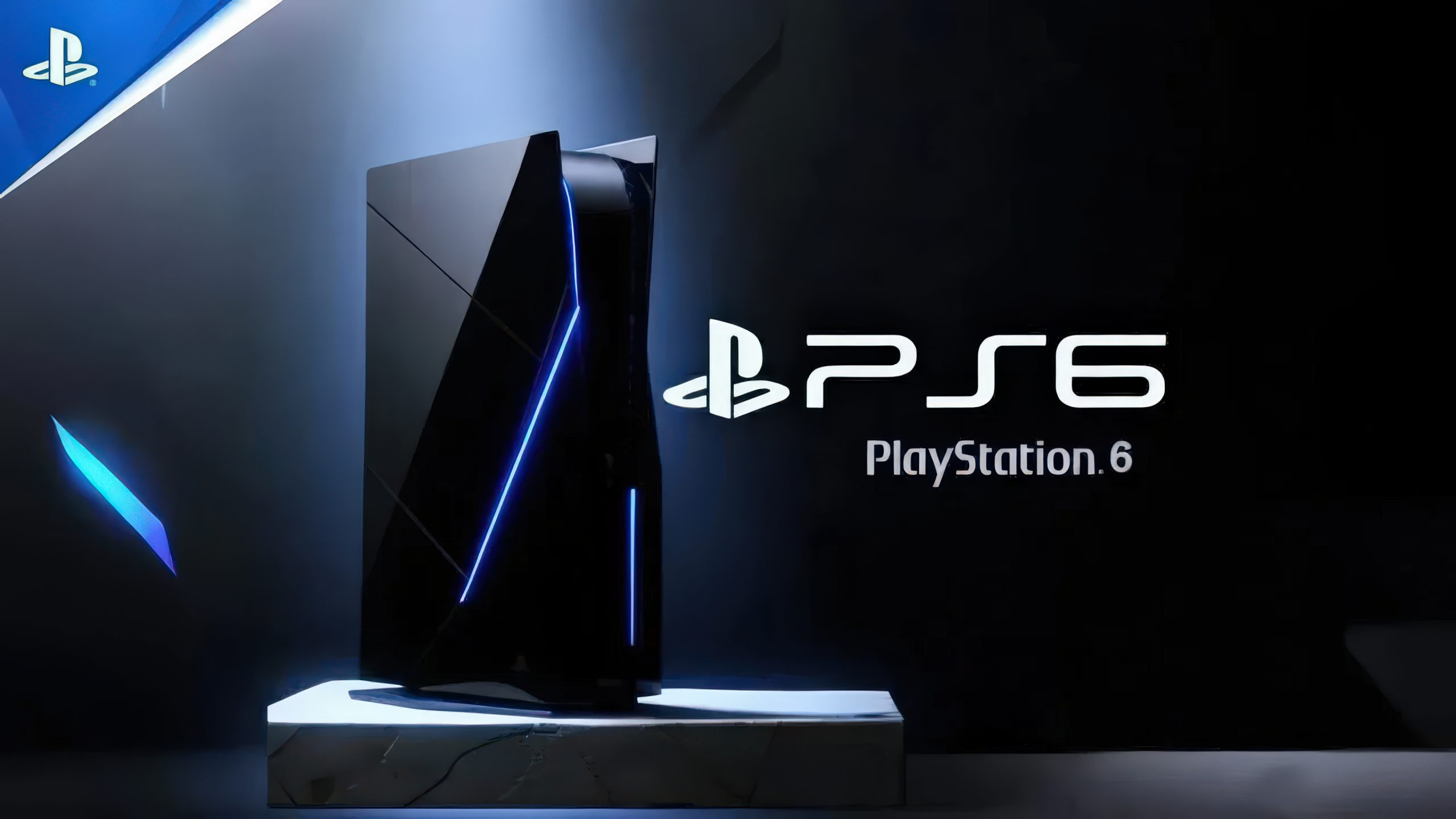
Fresh discussion around the PlayStation 6 has reignited after a new insider comment argued that one of the most widely repeated hardware claims is being misunderstood. According to KeplerL2, the often cited figure suggesting the system could deliver 10x the ray tracing performance of the base PlayStation 5 does not translate into a direct 10x increase in frame rate, and using it that way leads to unrealistic comparisons. In the NeoGAF discussion, the insider said AMD documentation is being misread and that a slide referencing “Orion 10x RT perf vs Oberon” should not be interpreted as proof that a PS5 game running at 30 FPS would suddenly scale to 300 FPS on PlayStation 6.
The key point is a technical one, but it matters a great deal for how people frame next generation expectations. Ray tracing is only one part of a frame. Even if ray tracing operations improve dramatically, the rest of the rendering workload still takes time, including rasterized graphics, compute tasks, lighting pipelines, and other systems that do not suddenly inherit the same 10x uplift. That is exactly why KeplerL2 argues that real world gains in games with relatively limited ray tracing use are likely to land much lower than the headline number suggests.
To explain the point, KeplerL2 used Assassin’s Creed Shadows as an example and applied what was described as AMD’s most optimistic scenario of 3x raster performance and 10x ray tracing performance. Based on that estimate, the ray tracing tasks alone would shrink substantially, but the rest of the frame would still occupy a large share of rendering time. The projected breakdown shared in the post looked like this:
| Task | PS5 Frame Time | PS6 Frame Time (Projected) |
|---|---|---|
| Screen Space Tracing | 0.54ms | 0.18ms |
| World Space Tracing | 1.38ms | 0.14ms |
| Lighting | 1.17ms | 0.39ms |
| Denoising | 1.91ms | 0.64ms |
| Total RT Tasks | 5.00ms | 1.35ms |
From there, the insider estimated that if the base PS5 is delivering a relatively stable 30 FPS in the game’s RT mode, then roughly 25ms of the frame is being consumed by everything outside those listed ray tracing tasks. Applying the assumed uplift would bring that non RT portion down to around 8.33ms on PlayStation 6. Combined with the projected RT figure of 1.35ms, that would create a total frame time of about 9.68ms, or roughly 103.3 FPS, compared with about 30ms and 33.33 FPS on the base PS5. In that scenario, the actual gain works out to around 3.10x, not 10x.
That is still a major jump. A roughly threefold uplift in actual game performance would be a substantial generational improvement, especially for a console platform. But it is a very different claim from the idea that PlayStation 6 will simply multiply every ray traced game by ten and start outperforming top tier PC hardware on that basis alone. KeplerL2’s argument is not that the new system will be weak. It is that the current conversation is flattening a more complicated technical reality into a misleading marketing style number.
The same post also notes that the gap could grow larger in games that rely much more heavily on ray tracing or even path tracing, where the RT portion of the workload takes up a larger percentage of the frame. Even then, the insider says the total frame still includes a significant raster and compute component, and that portion usually remains too large for a 10x RT improvement to ever turn into anything close to a 10x FPS result. In other words, heavier RT titles could show a wider next generation gap, but the headline figure still should not be treated as a direct frame rate multiplier.
It is also worth stressing that none of this is official product guidance from Sony. The PlayStation 6 has not been formally unveiled, and the discussion here is based on insider interpretation of reportedly leaked AMD material and community level analysis. That makes this useful as an early technical framing exercise, but not as a final statement of what the system will actually deliver at launch. Until Sony puts real hardware, target specs, and game demonstrations in front of the public, all comparisons remain provisional.
Even so, the broader takeaway is a good one for anyone following early console rumor cycles. Big hardware multipliers often describe a narrow slice of performance, not the total game experience. If this interpretation is correct, the PlayStation 6 could still bring a meaningful leap in ray tracing and overall rendering power, but the more realistic expectation for many games may be something closer to a 3x class uplift rather than the kind of dramatic 10x FPS fantasy some corners of the conversation have been pushing.
Do you think a roughly 3x real world gain would be enough to make PlayStation 5 owners upgrade early, or will next generation need more than ray tracing and frame rate improvements to justify the jump?
