
Pearl Abyss Built Crimson Desert Like a Studio That Actually Respects Players
Pearl Abyss deserves far more recognition as a developer that understands what gamers are really asking for from a modern AAA release. This is not just about polish, presentation, or pre launch hype. It is about mindset. It is about a studio that spent 12 years learning how to operate Black Desert Online as a living product, how to react quickly, how to identify friction, and how to treat players as people whose time and money matter. Pearl Abyss officially marked 2026 as the 12 year of Black Desert Online on PC with Console and Mobile editions, and that long service history is the clearest proof that this is a studio with real operational experience, not just ambition.
That background matters because it explains why Crimson Desert feels different from many other big budget releases. Pearl Abyss officially positions Crimson Desert as an open world action adventure, not as another live service treadmill. Yet the studio is clearly supporting it with the speed, urgency, and discipline of a team trained by years of running a live environment. Black Desert’s official channels continue to show the kind of frequent update rhythm and rapid fixes that define a team used to maintaining a game week by week, including fresh April 2026 update notices and issue fixes across multiple regions.
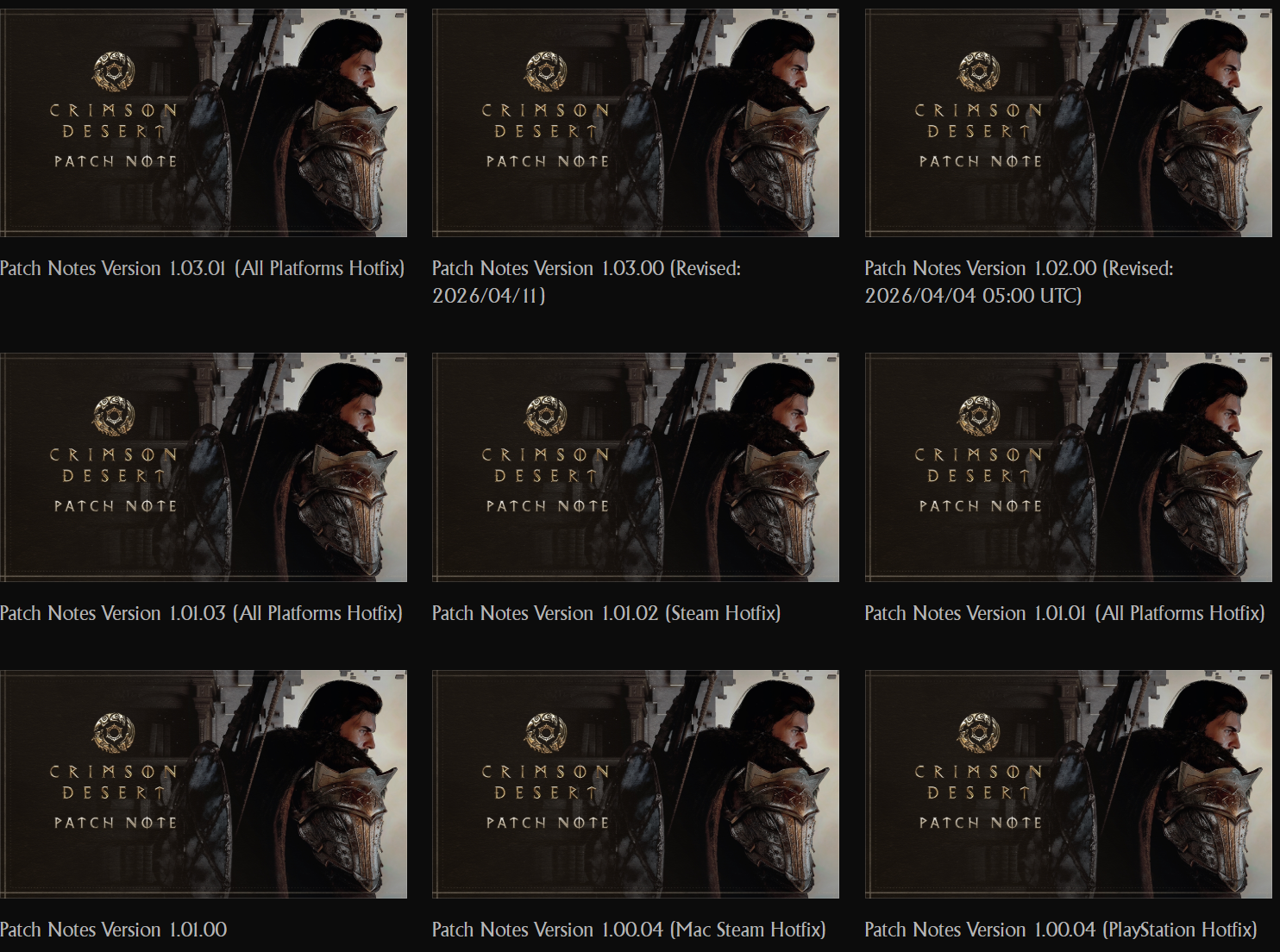
That is what makes Pearl Abyss so compelling in the current market. Crimson Desert may be an offline focused premium release, but it is being handled by a developer with a live server mentality. In practical terms, that means the studio does not act like the job is done once the review embargo lifts. It acts like launch is the start of a relationship. It acts like feedback matters. It acts like players deserve follow through. That is a rare quality in the AAA space, and it is one of the biggest reasons Pearl Abyss stands out today.
Duck IT Tech News

Crimson Desert
SteamDB rating
82.83% Very Positive
The commercial response has made that point even harder to ignore. Crimson Desert has reportedly surpassed 5 million copies sold worldwide in less than 4 weeks, a result widely covered as a major post launch success story. Reporting on that momentum has also tied the game’s rise to Pearl Abyss’ constant patching, adjustments, and quality of life improvements after release.
#CrimsonDesert has sold through over 5 million copies worldwide!
— Crimson Desert (@CrimsonDesert_) April 15, 2026
Thank you to every Greymane who has joined us on this journey, experienced the world of Pywel, and supported the game. Reaching this milestone would not have been possible without your support and we are truly… pic.twitter.com/xcdbCvHLSo
That is where the argument in Pearl Abyss’ favor becomes especially strong. A lot of publishers talk about listening. Pearl Abyss actually listened. It reportedly addressed areas such as difficulty tuning, storage friction, teleportation flow, and general usability through ongoing updates that made the game more approachable and more rewarding over time. That is not a weakness. That is not a lack of confidence. That is what it looks like when a studio sees the people buying its game as real customers rather than as passive consumers expected to accept every rough edge in silence.
This is also why the more dismissive media framing around the game feels increasingly disconnected from what players actually value. Some critical coverage argued that Crimson Desert’s rapid adjustments suggested an “identity crisis,” while at the same time acknowledging that Pearl Abyss had moved very quickly to soften some of the game’s most frustrating elements. But those two ideas do not point to artistic failure. If anything, they point to maturity. A studio can preserve the core identity of its world, combat, and atmosphere while still removing surface level friction that wastes the player’s time. That is not compromise. That is refinement.
That is the key distinction too many commentators miss. There is a major difference between changing the foundation of a game and improving the way players move through it. There is a major difference between abandoning vision and respecting user experience. Crimson Desert’s world scale, combat ambition, and broader design identity were not erased by post launch tuning. What changed was the willingness to smooth systems that players found irritating or unnecessarily restrictive. A studio that can do that quickly, without losing the game’s larger identity, is not having a crisis. It is doing its job well.
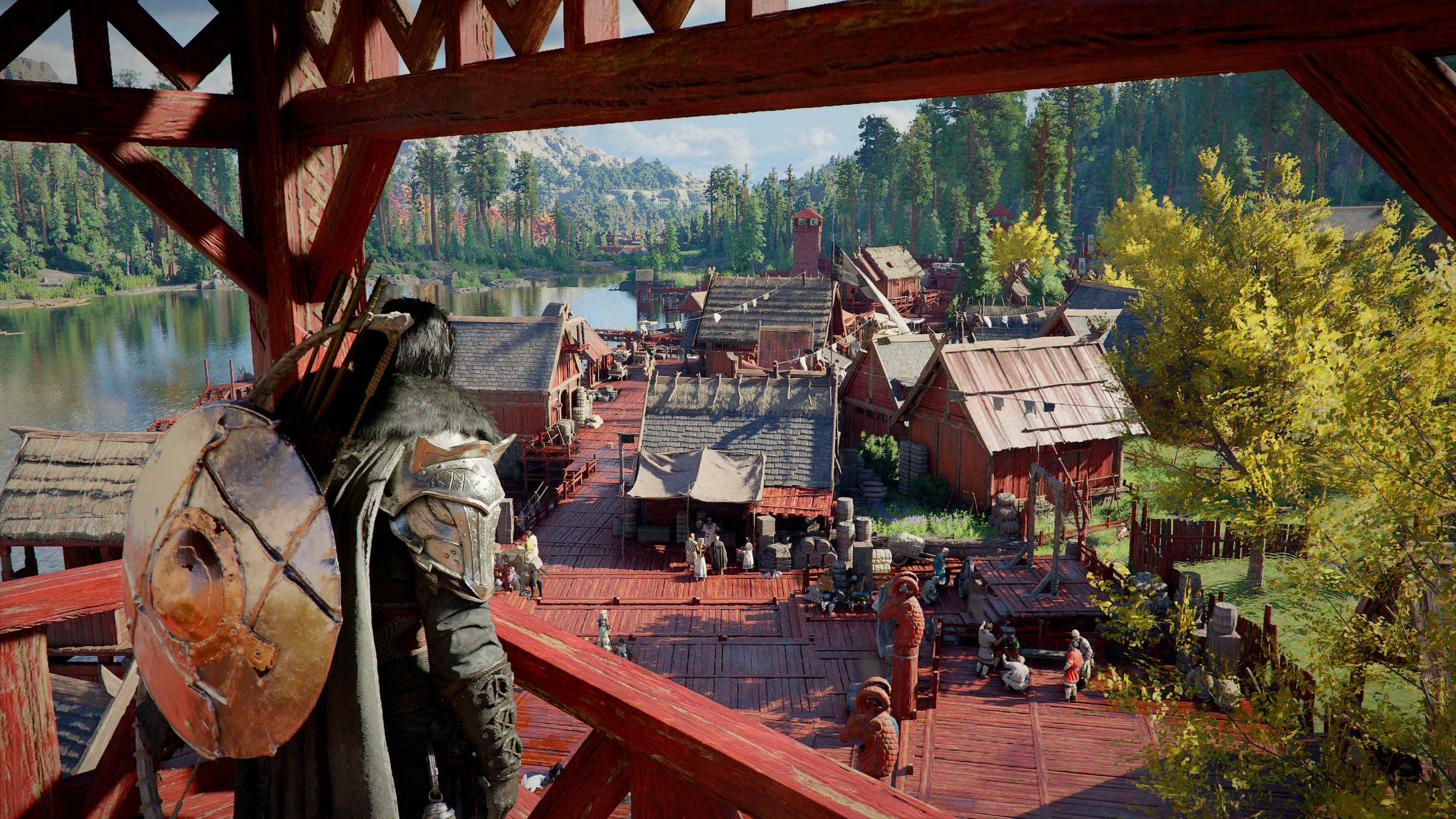
That is why Pearl Abyss deserves praise not only as a technically capable studio, but as a developer that appears to understand modern player expectations better than many larger publishers. In a market where some companies still take months to respond to obvious complaints, Pearl Abyss moved fast. In a space where some teams seem more concerned with preserving prestige than improving usability, Pearl Abyss showed a willingness to act. That sends a powerful message to players. It says their time matters. It says their purchase matters. It says the studio is not too proud to improve its own work when the audience identifies friction.
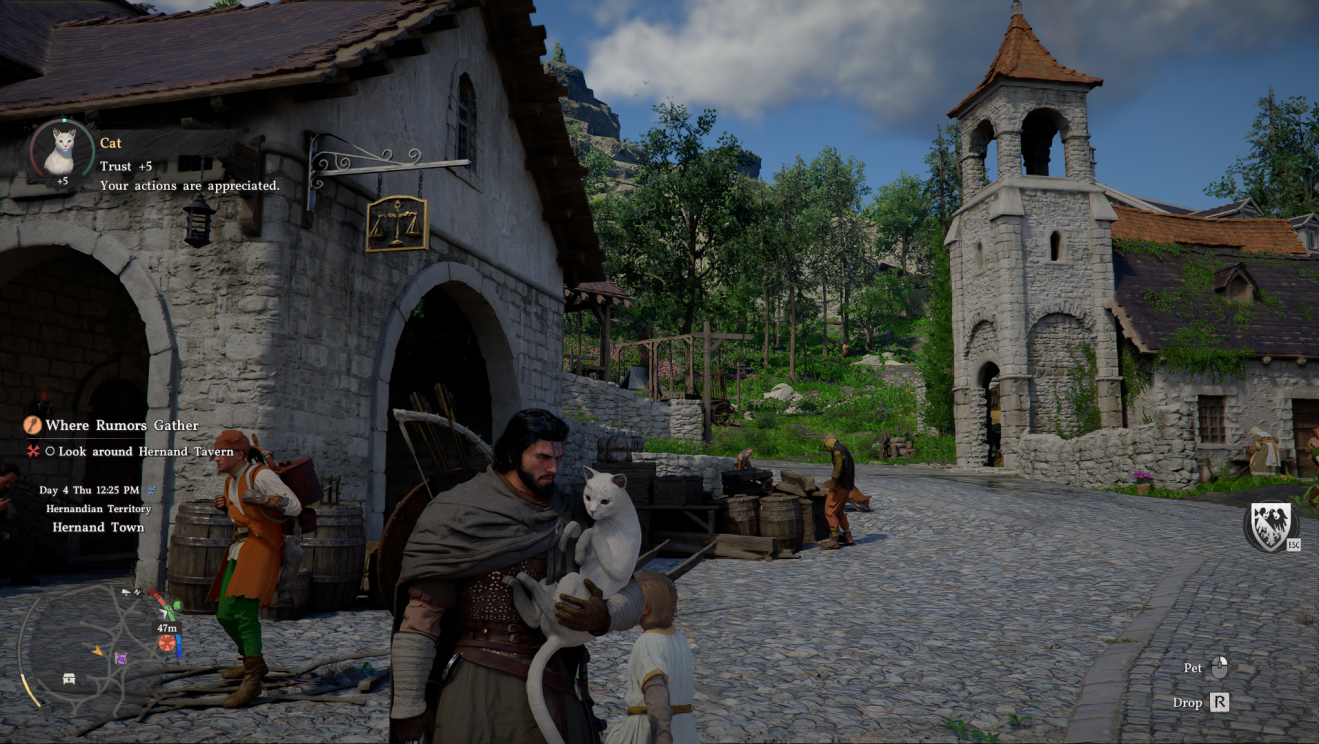
The transcript you shared sharpens that argument, even if some of its more aggressive claims should remain clearly framed as opinion rather than as established fact. The strongest part of that commentary is not the anger. It is the central observation that Pearl Abyss appears far more interested in listening to gamers who want dozens or even hundreds of hours of quality entertainment than in chasing the approval of reviewers who may only engage with a game briefly before issuing a verdict. That argument resonates because it reflects a wider frustration in gaming culture. Too often, the early score becomes the headline, while the long term player experience becomes an afterthought.
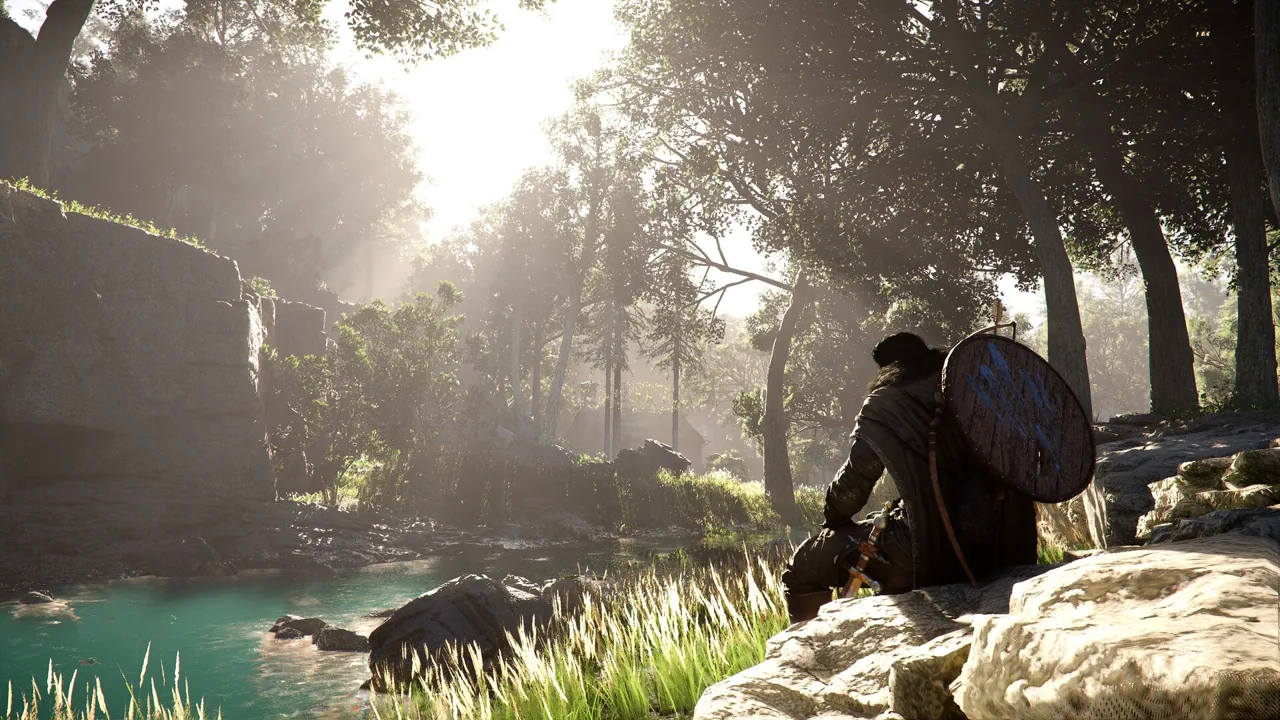
Pearl Abyss seems to be operating from the opposite direction. It is not building for a single launch weekend headline. It is building for the player who logs in, explores, experiments, struggles, adapts, and stays. That philosophy is exactly what Black Desert Online taught the company over the course of 12 years. A live game survives only if the studio keeps earning the player’s trust. You do not maintain that kind of longevity by treating feedback as an inconvenience. You maintain it by understanding that retention is built on respect, responsiveness, and constant iteration.

Seen through that lens, Crimson Desert represents something genuinely exciting for gamers. It is not just another large scale fantasy project. It is potentially the first major offline AAA game from a developer that has fully internalized a live operations mindset without turning the game itself into a service burden. That balance matters. Players want a complete premium experience, but they also want the confidence that the people behind it will keep improving it once real world feedback starts coming in. Pearl Abyss is one of the few studios right now that seems positioned to do both.
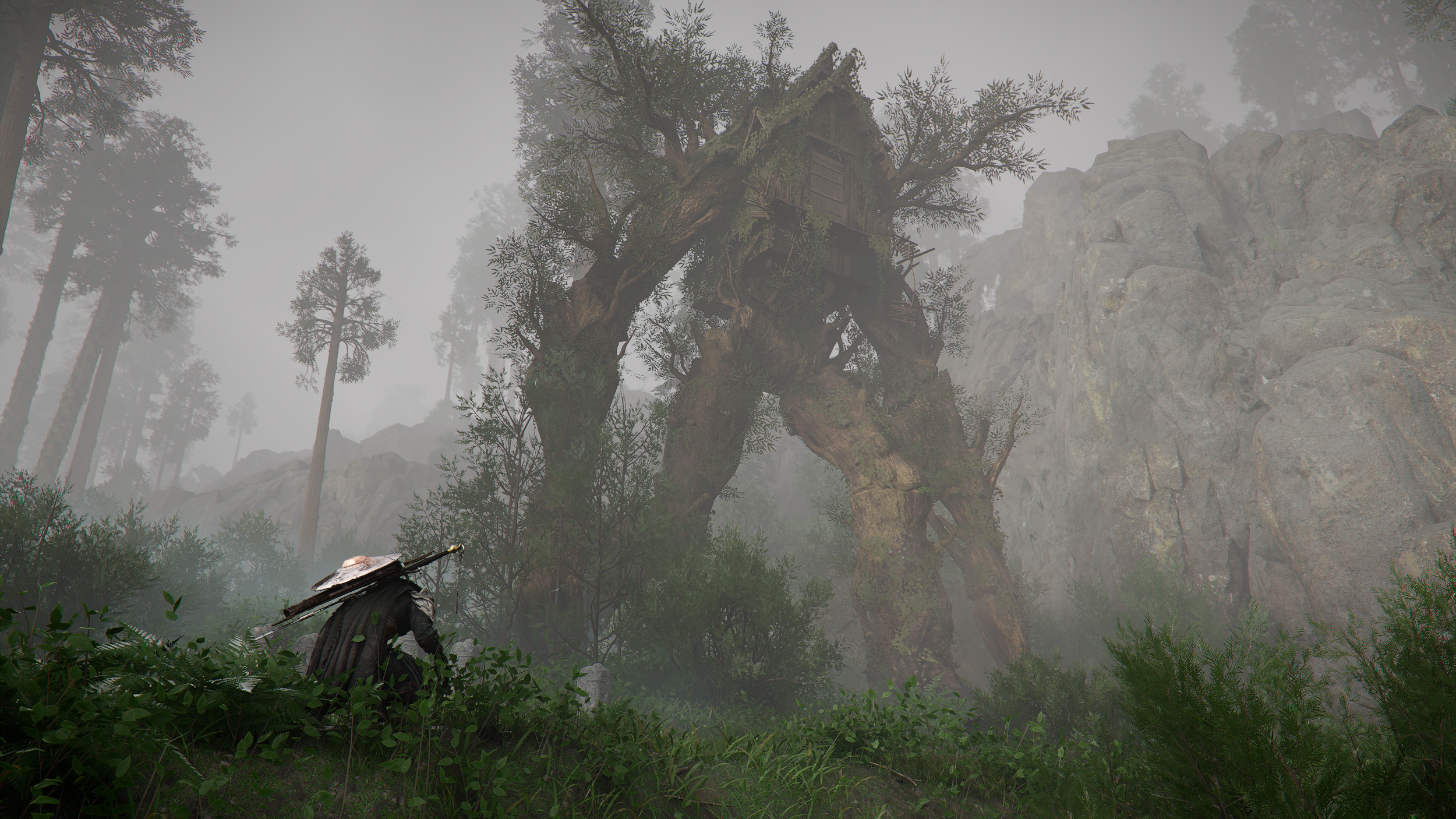
That is why the conversation around Crimson Desert should not be reduced to launch day scores or shallow verdict cycles. The more important story is what happened after launch. Players spoke. Pearl Abyss responded. The game gained momentum. Sales climbed. And the studio showed that listening to its audience can be a competitive strength rather than a creative liability.
For gamers, that should matter a lot. A studio that answers quickly, patches decisively, and treats player feedback as part of development is a studio worth watching. A studio with 12 years of Black Desert experience and a proven update culture brings something valuable into the premium single player space. Pearl Abyss is not just making games. It is showing what happens when a developer respects the audience enough to keep fighting for the experience after launch. In an industry that too often asks players for patience while offering very little urgency in return, that approach feels refreshingly player first.
Do you think more AAA studios should adopt this kind of player first, fast response development model after launch?
