
NVIDIA Vera CPU Delivers 63% Performance Gain Over Grace As It Challenges AMD EPYC And Intel Xeon
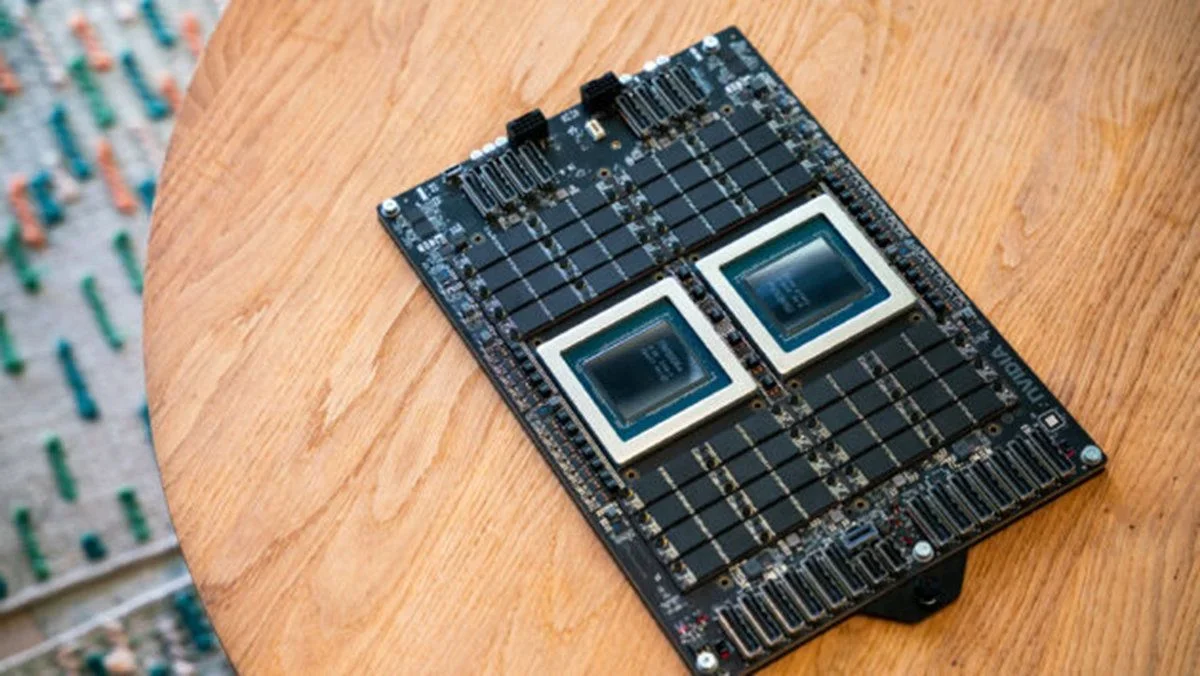
NVIDIA’s upcoming Vera CPU is already showing strong early performance, with new benchmarks pointing to a major generational leap over the company’s previous Grace CPU and a serious challenge to traditional x86 server processors from AMD and Intel.
NVIDIA recently announced that Vera CPUs had entered full production, with the company hand delivering the first CPU racks to major AI firms including OpenAI, SpaceX, Anthropic, and Oracle. Vera is a key component of NVIDIA’s Extreme Co Design ecosystem for the Rubin platform, but it also marks a much bigger strategic shift for the company. For the first time, NVIDIA is entering the standalone server CPU market with serious ambition.
The Vera CPU is based on Arm architecture and features 88 custom Olympus cores. NVIDIA has positioned it as a processor designed specifically for agentic AI and inference workloads, promising 50% higher performance, 2 times better performance per watt, and 4 times the rack density compared with traditional x86 CPUs.
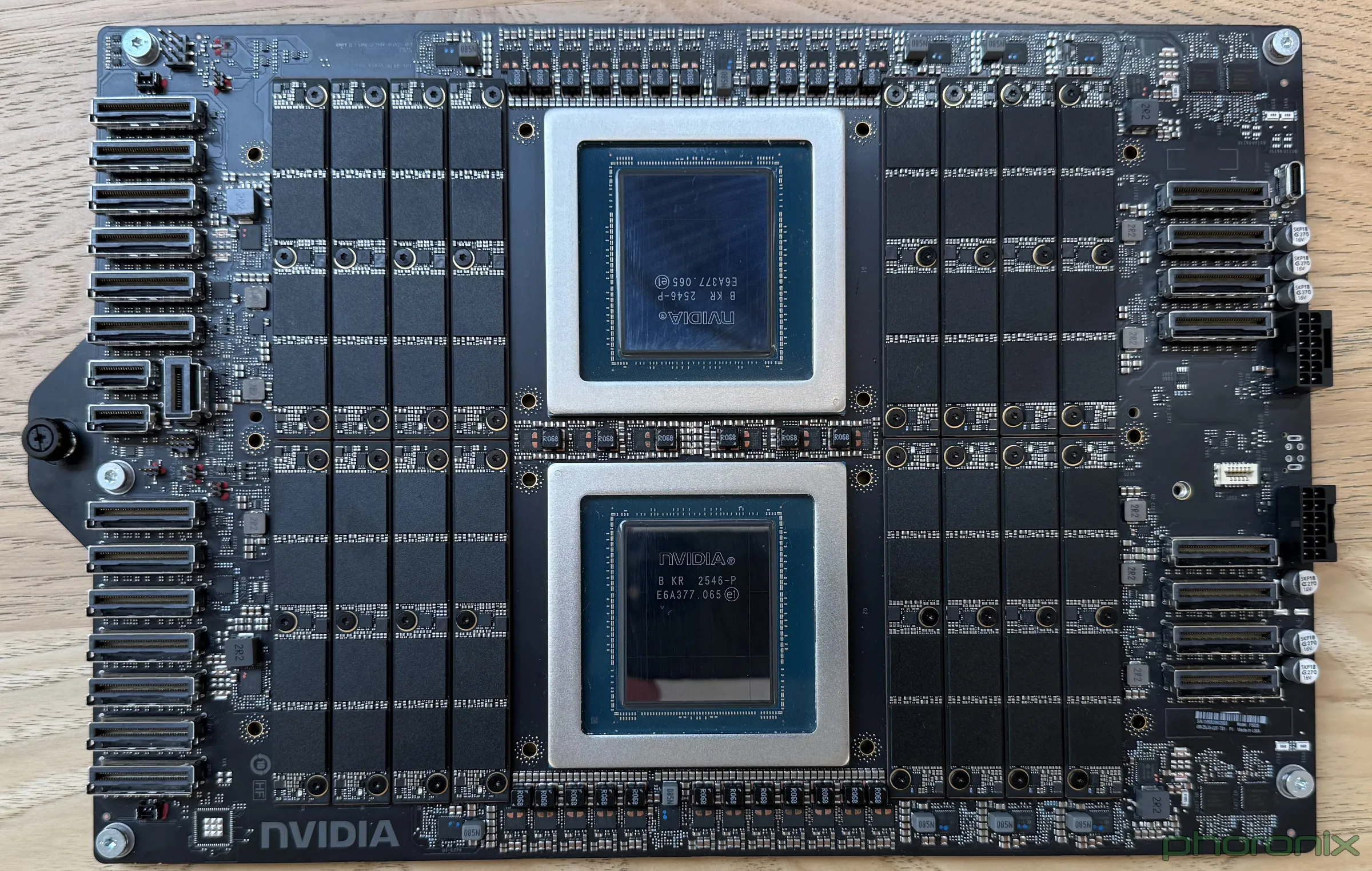
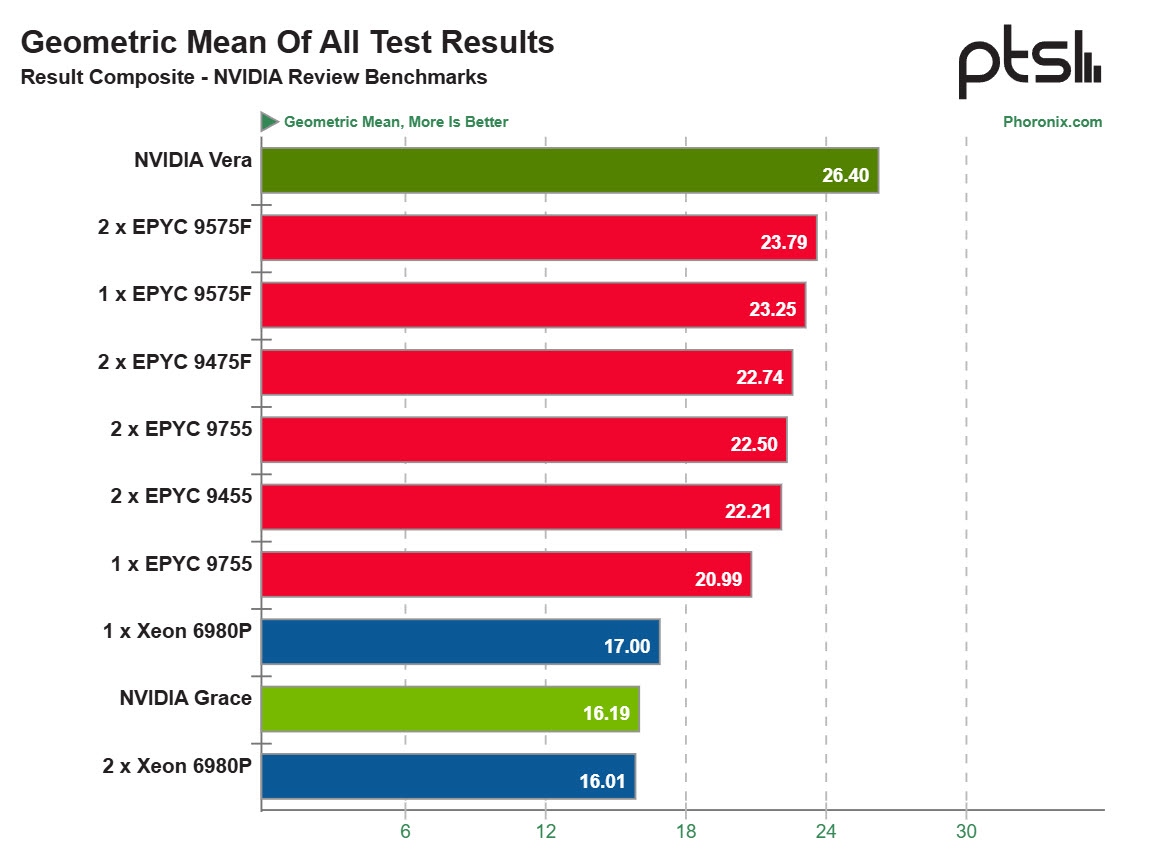
Early testing from Phoronix now gives the industry a first look at how Vera performs in real workloads. Across the geometric mean of all benchmark results, the 88 core NVIDIA Vera CPU was reportedly 63% faster than the previous 72 core Grace CPU. The result is significant because Grace was already an important part of NVIDIA’s AI and data center roadmap, but Vera appears to push the company much further into direct CPU competition.
Vera also performed strongly against x86 competitors. According to the benchmark results, NVIDIA’s new CPU was 10% faster than AMD’s EPYC 9575F, a 64 core Zen 5 processor clocked at 5 GHz. It also outperformed Intel’s Xeon 6980P, a 128 core Granite Rapids processor, by 55%.
Those results suggest that NVIDIA’s CPU ambitions should not be treated as a secondary effort. Vera is not only designed to support Rubin AI systems. It is also expected to be available in standalone configurations, which could give NVIDIA a new path into the server CPU market at a time when agentic AI workloads are increasing demand for high performance CPUs.
This matters because AI infrastructure is no longer only about GPUs. While accelerators remain essential for training and inference, CPUs are becoming increasingly important for orchestration, data preparation, system control, agent coordination, memory movement, and workload management. Agentic AI in particular can benefit from strong CPU performance because it often involves multiple processes, tools, models, and workflows operating together.
NVIDIA has already stated that it aims to become one of the largest CPU suppliers in 2026, and Vera gives the company a credible foundation for that goal. If demand for Rubin AI systems continues to grow, Vera could take share from both Intel and AMD in selected data center and AI infrastructure deployments.
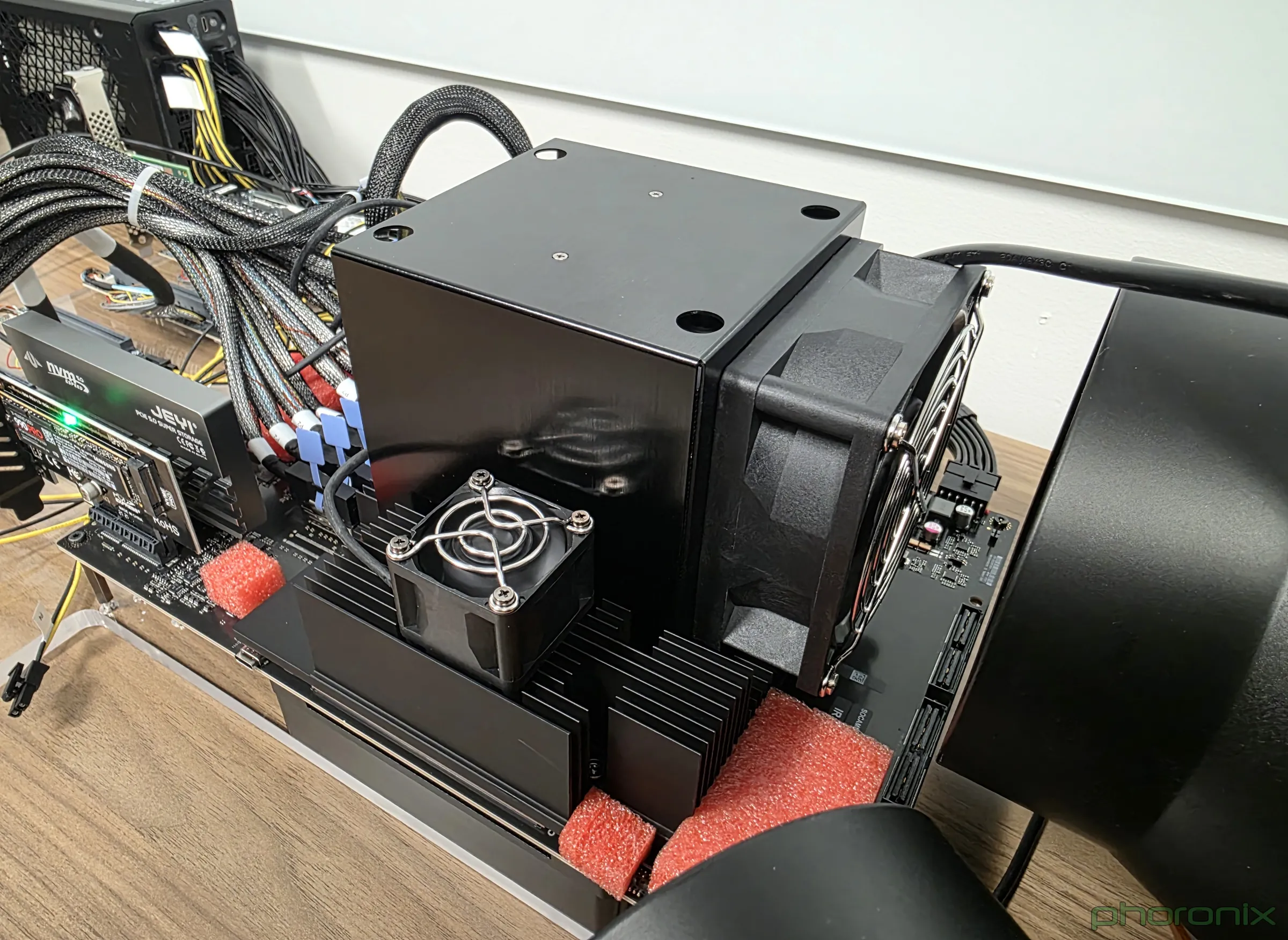
However, the current benchmark picture is still incomplete. Phoronix noted that they were not permitted to publish power efficiency results, meaning one of NVIDIA’s biggest claims, performance per watt, remains unverified in public testing. The Vera module tested was also early pre production hardware, so final retail or production tuned systems may show additional power and performance optimizations.
Even with that limitation, Phoronix described Vera as the “most performant ARM Linux server processor” it has tested. Quote by: Phoronix
That statement is important because Arm server CPUs have historically faced an uphill battle against x86 platforms in the data center. NVIDIA’s ability to deliver this level of performance with Vera could help change market perception, especially if the company can pair strong CPU results with its massive GPU ecosystem, CUDA software stack, networking hardware, and AI platform control.
The competitive environment is also heating up. AMD is preparing its next generation EPYC Venice processors based on the Zen 6 architecture, with mass production already underway and launch expected in the second half of 2026. Intel is also preparing its Diamond Rapids platform, while Qualcomm and Arm are working on data center CPU solutions aimed at the same AI infrastructure opportunity.
For AMD and Intel, Vera represents a new kind of pressure. NVIDIA is no longer only competing for accelerator budgets. It is moving deeper into the CPU layer, the rack layer, and the full AI system architecture. That could make it harder for competitors to separate CPU sales from the broader AI platform conversation.
For NVIDIA, the opportunity is clear. If Vera delivers strong performance, competitive efficiency, and high rack density, it could become one of the company’s most important products in the Rubin generation. It also strengthens NVIDIA’s shift from being primarily a GPU company into a full stack AI infrastructure provider.
The early benchmark results show that Vera is not just a supporting chip. It is a serious server CPU that can compete with leading x86 processors and push Arm deeper into the high performance data center market. With agentic AI driving new infrastructure demands, Vera could become one of NVIDIA’s most important weapons in the next phase of the AI hardware race.
Engagement Question
Do you think NVIDIA Vera can become a real threat to AMD EPYC and Intel Xeon in AI data centers, or will x86 platforms still dominate the broader server market?
