
NVIDIA RTX 50 Series Spotted With Micron GDDR7 for the First Time as Supply Pressure Keeps Building

NVIDIA appears to be widening its GDDR7 sourcing strategy for GeForce RTX 50 series graphics cards, with the first public sighting of Micron manufactured GDDR7 modules on an RTX 50 board now making the rounds. Up to this point, RTX 50 series cards have been primarily associated with GDDR7 memory from Samsung and SK hynix, but a recent teardown suggests Micron is now also in the mix, which signals that the industry wide memory crunch is still shaping real world GPU availability.
The first reported example comes from a Galaxy GALAX GeForce RTX 5060 Black OC V2 review published by Quasar Zone. In the teardown imagery, the RTX 5060 board is shown populated with 4 GDDR7 modules positioned around the GPU package, and those modules are identified as Micron parts. The specific chip called out is Micron MT68A512M32DF, described as a 16 Gb module, which translates to 2 GB per chip, and rated at 28 Gbps. That speed class aligns with what has already been seen across much of the RTX 50 lineup where 28 Gbps GDDR7 modules are standard, while the GeForce RTX 5080 is noted as the exception using 30 Gbps memory.
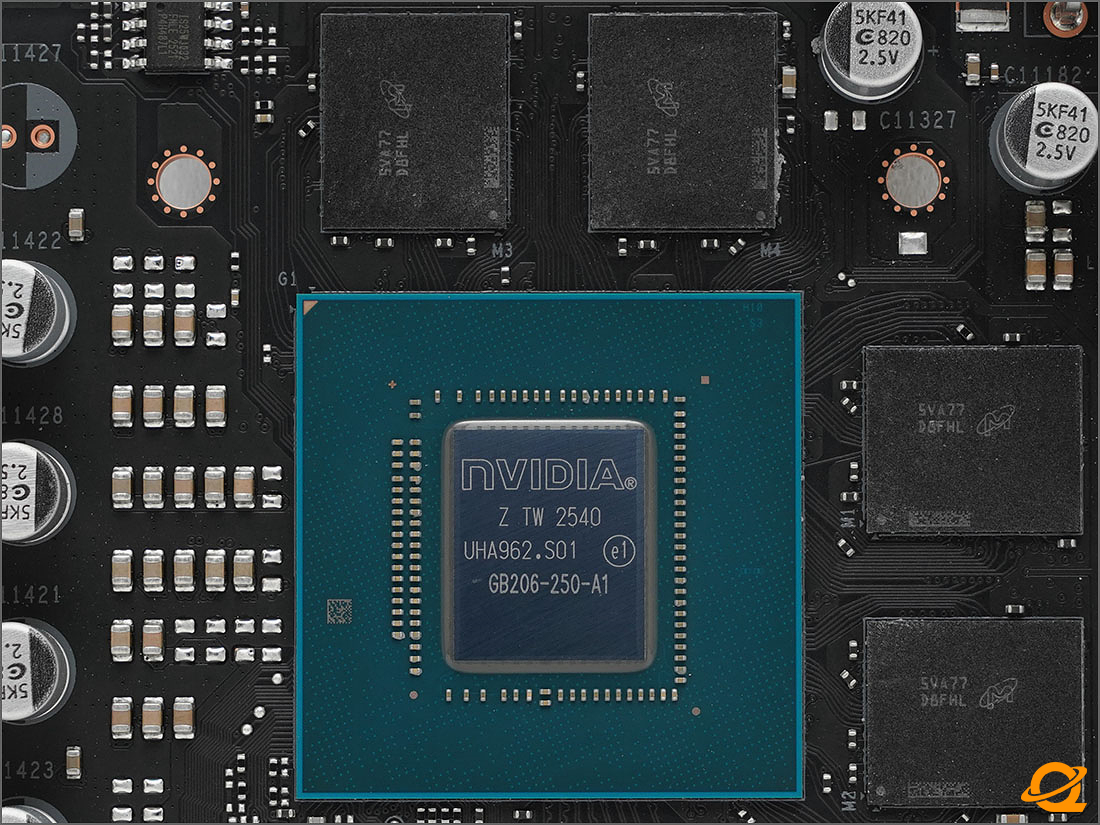
From a market lens, the bigger story here is not just vendor variety, but what it implies about procurement reality. If NVIDIA is bringing Micron into the RTX 50 supply chain for GDDR7, it strongly suggests that sourcing sufficient volume from Samsung and SK hynix alone is challenging under current DRAM conditions. In theory, adding Micron as a third major supplier can reduce bottlenecks and smooth production flow for board partners, which should translate into better channel supply over time. In practice, the report frames the broader shortage as still severe, with limited improvement and continued price pressure, including claims of GPU pricing rising by at least 15% since October 2025.
Micron also has its own forward roadmap momentum. The report notes Micron confirming 24 Gb GDDR7 modules rated at 36 Gbps, a spec tier that does not map cleanly to the current mainstream RTX 50 desktop configurations described here. Instead, it positions those higher density parts as more likely candidates for future GPU generations, with a nod toward NVIDIA Rubin class products as a potential landing zone. Even if that is speculative today, the strategic read is clear: memory vendors are scaling GDDR7 capability upward while GPU demand continues to be constrained by how quickly cutting edge DRAM supply can be industrialized at volume.
For gamers and builders watching the RTX 50 situation, the Micron sighting is a meaningful signal. It is not a magic fix, but it is a supply chain lever that can help stabilize shipments, reduce board level variance risk, and give NVIDIA and its partners more flexibility while the market fights through ongoing memory tightness.
Do you think adding Micron GDDR7 will actually improve RTX 50 availability in your region, or will pricing stay inflated until the broader DRAM situation cools down?
