
NVIDIA N1 and N1X AI PC Chips Confirmed by Jensen Huang with H2 Launch Target and MediaTek Co Development
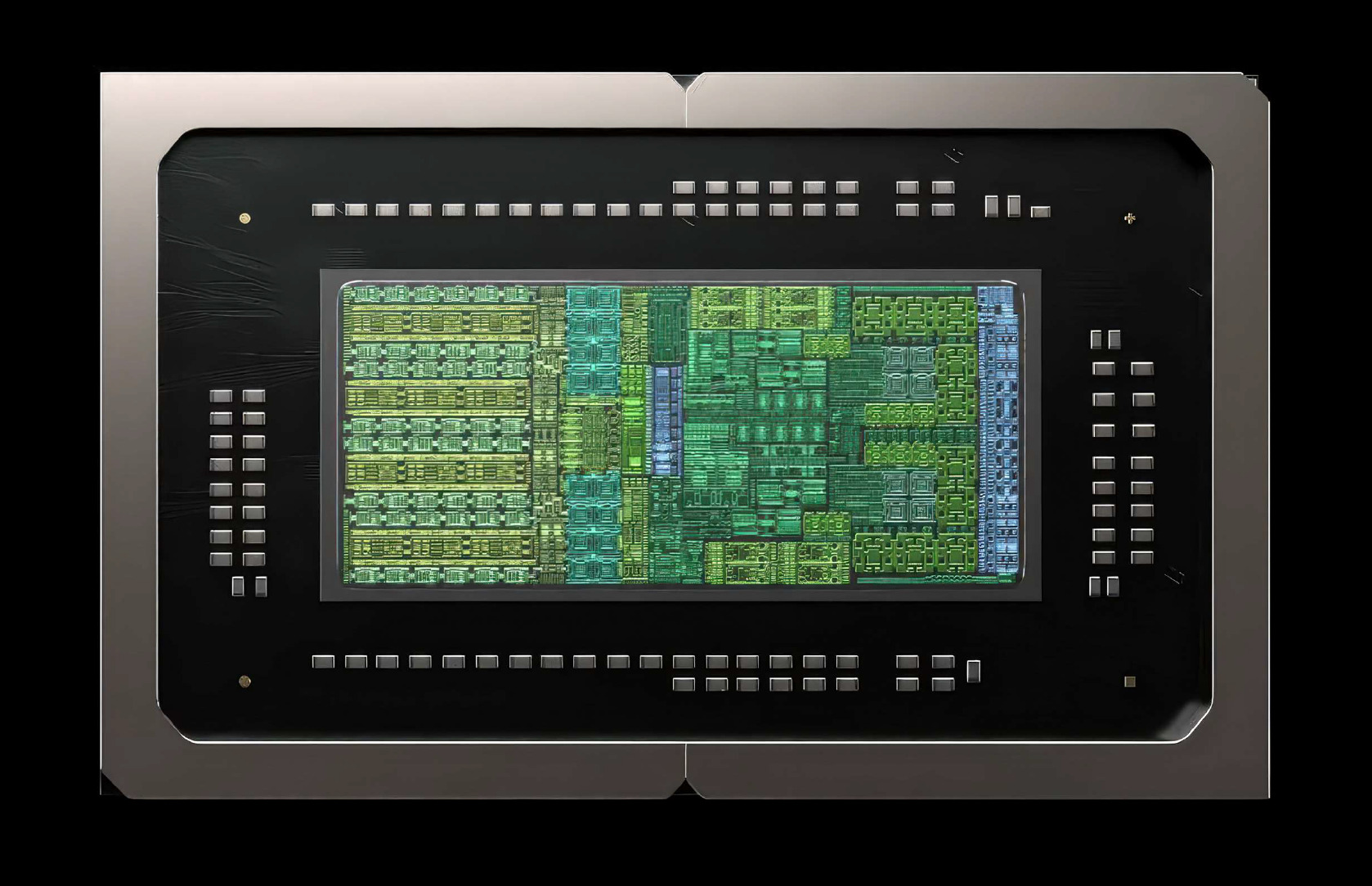
NVIDIA may have left gamers waiting for new consumer GPU fireworks at CES 2026, but the company is clearly preparing a different kind of mainstream push for 2026, one that is built around power efficient AI compute for laptops and compact devices. According to a report from UDN, NVIDIA chief executive Jensen Huang spoke with Taiwanese media and directly commented on the upcoming N1 and N1X system on chip program, confirming the chips are co developed with MediaTek and optimized for workloads where power efficiency is a must.
In Jensen’s remarks cited by the report, the positioning is explicit: low power consumption with excellent performance, especially for edge AI workloads. That framing matters because NVIDIA is not trying to brute force its way into consumer PCs with a traditional high watt desktop play. Instead, it is aiming at the fast growing AI PC narrative where local inference, on device assistants, lightweight model execution, and creator automation are becoming core product checkboxes. For gamers, this is less about replacing a discrete GPU experience and more about expanding what a portable machine can do without the battery, heat, and fan noise tradeoffs that have historically limited performance on the go.
The N1 and N1X chips are expected to be ARM based and are widely described as following a design language similar to the GB10 Superchip direction, which is associated with NVIDIA’s compact AI systems. While detailed specifications are still not confirmed in the report, the broader rumor stack around this platform has consistently pointed to a modern TSMC 3nm class process and support for Windows on ARM. If that combination lands, it would put NVIDIA into direct alignment with a market that is actively trying to redefine what a thin and light laptop can deliver, not just in productivity tasks but in intelligent features that run locally rather than in the cloud.
There is also a strategic reason this launch is being framed for H2. Prior reporting around the program has suggested NVIDIA delayed the schedule because it was not satisfied with earlier silicon maturity, which implies the company is prioritizing a cleaner first impression over rushing a product that could miss perf per watt targets. That is a very NVIDIA style move in 2026, because AI PC credibility will be judged by user experience and stability, not only benchmarks. If a device is marketed as AI ready but stutters, thermal throttles, or drains battery quickly, consumers will treat the entire category as hype.
From a product planning angle, it is reasonable to expect N1 and N1X to scale down the compute and thermal envelope relative to larger NVIDIA data center oriented designs. That could mean fewer cores, lower sustained power targets, and tighter integration choices that suit consumer form factors. The bigger gaming question is what happens on graphics. NVIDIA has multiple ways to approach this, ranging from a strong integrated GPU baseline to designs that make it easier for partners to pair the chip with discrete RTX options in higher tier SKUs. If NVIDIA can build an ARM based Windows laptop experience that feels fast, efficient, and consistent, it can create a new entry point for gamers who value portability and battery life, especially in the growing segment that mixes gaming with streaming, editing, and AI assisted creation.
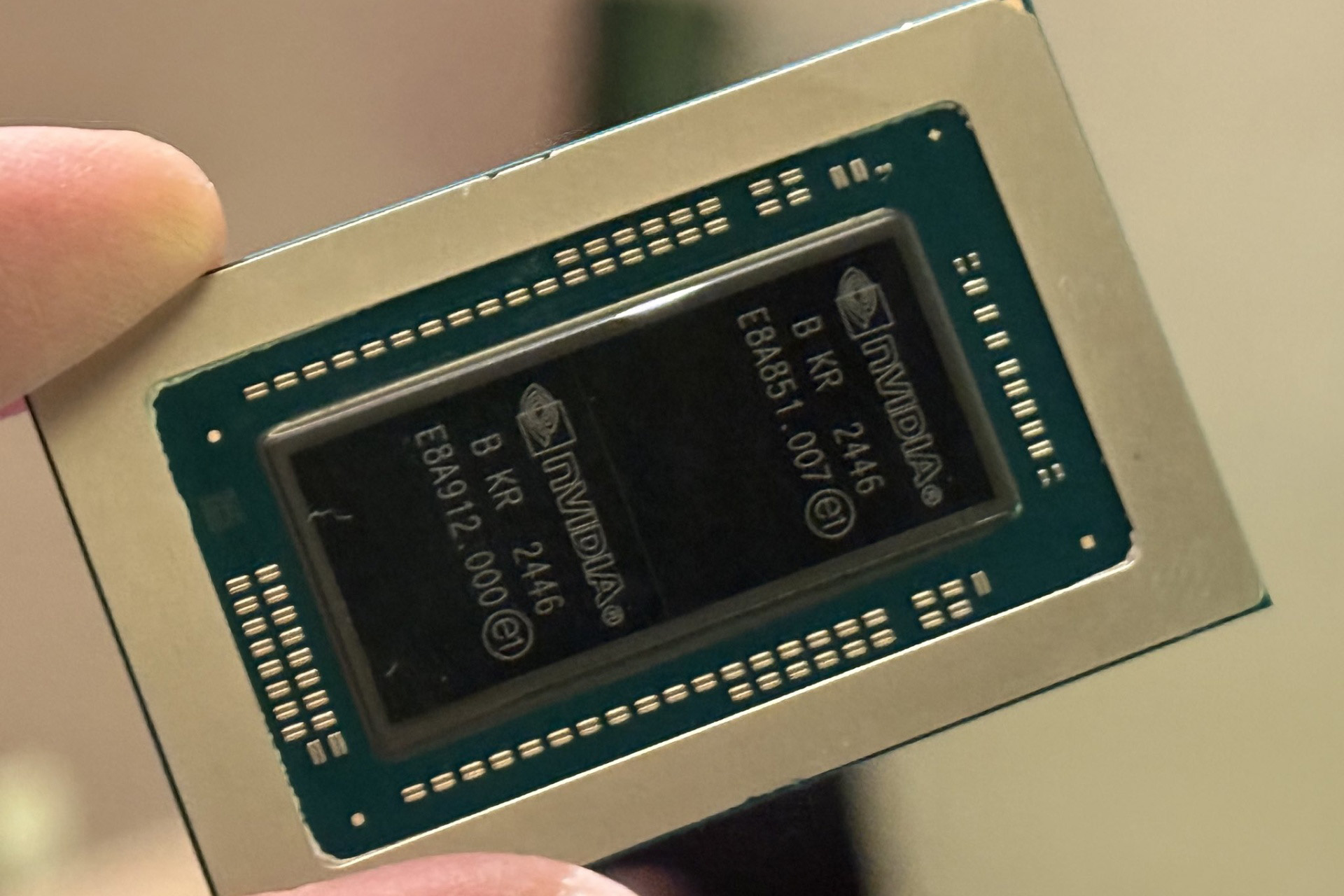
The timing also aligns with a broader market shift. Laptop and compact device segments are getting disproportionate spotlight because edge AI applications are accelerating, and the industry is racing to define a unified ecosystem where consumer adoption reinforces enterprise tooling and vice versa. NVIDIA’s advantage is that it already owns a huge chunk of the software narrative in AI, so bringing an AI PC chip to market is not only about silicon. It is about ecosystem leverage, developer enablement, and partner momentum that can compound over time if the platform is competitive.
If NVIDIA’s N1 and N1X chips deliver strong performance per watt in real Windows on ARM laptops, would you consider an ARM gaming laptop, or is x86 still the only platform you trust for your game library and performance expectations?
