
NVIDIA GeForce RTX 50 SUPER Rumor Points to AI Prioritization, DRAM Pressure, and a Quiet Competitive Window
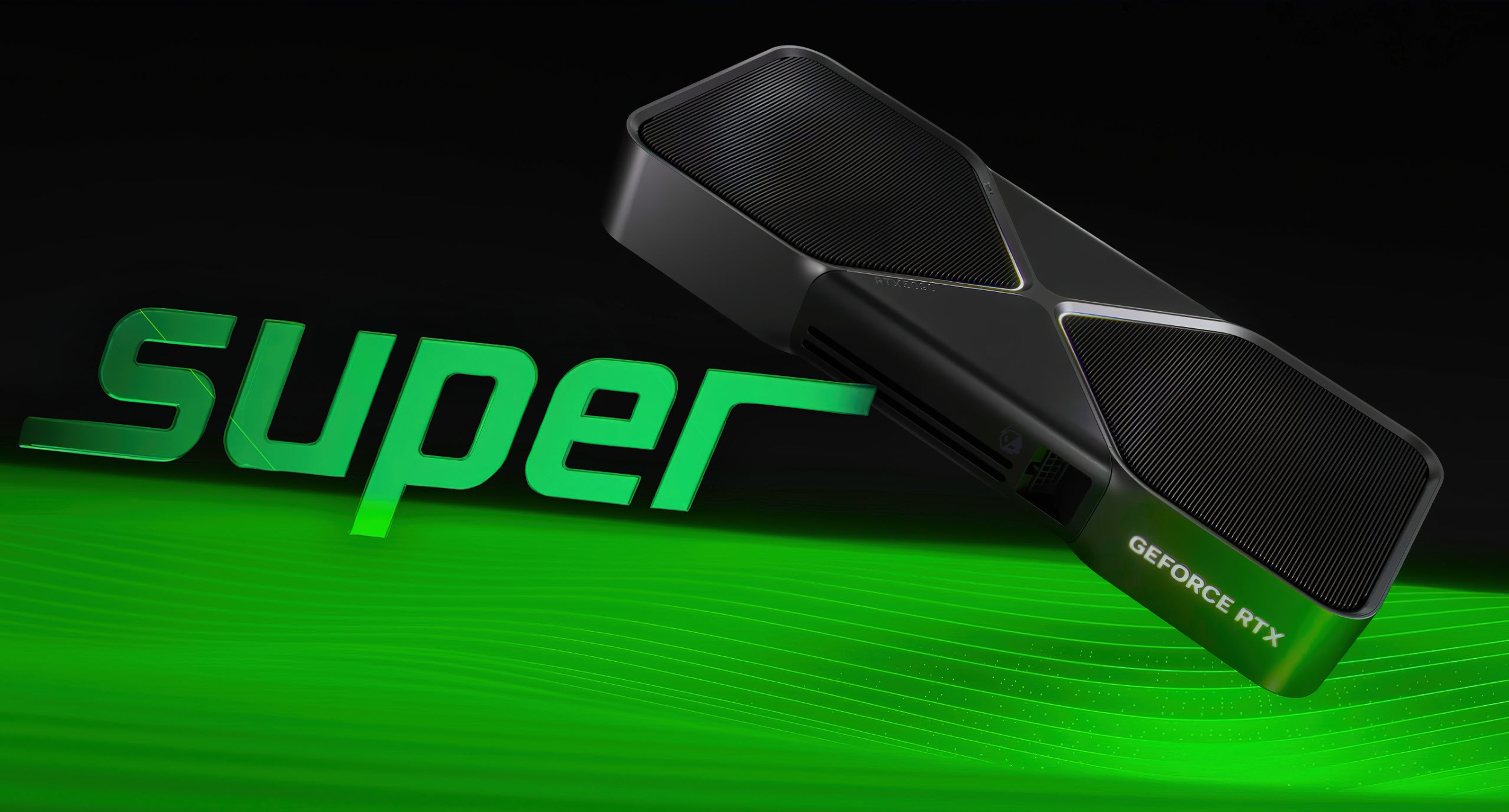
Fresh rumor chatter suggests NVIDIA’s GeForce RTX 50 SUPER refresh may be facing an indefinite delay, with industry discussion pointing to 3 converging forces that make a mid cycle consumer push less attractive right now: accelerating AI platform demand, rising DRAM costs and availability constraints, and a market dynamic where AMD is not expected to pressure NVIDIA with a near term flagship response.
According to industry sources cited in a Board Channels forum report, the first and most decisive factor is allocation. The claim is that production capacity is increasingly being prioritized toward data center class AI GPUs, which is consistent with NVIDIA’s current emphasis on ramping next generation platforms and maximizing supply into the highest margin segment of the business. Public statements from CES 2026 also reinforced the message that NVIDIA’s Vera Rubin platform is moving aggressively, with the company describing Rubin as in full production earlier than many expected, a signal to the market that AI execution is the top operational priority.
The second factor is memory, and this is where the rumor becomes especially believable from a PC builder reality check standpoint. Modern discrete GPUs rely heavily on external graphics memory such as GDDR6 and GDDR7, and when memory pricing rises while supply tightens, the entire gaming GPU stack becomes harder to scale. The rumor narrative argues that even if NVIDIA can absorb higher costs, the bigger issue is supply competition because the same broader memory ecosystem is being pulled in multiple directions by AI infrastructure demand and consumer graphics demand at the same time. This matters because a SUPER refresh is often expected to bring one practical upgrade that gamers actually feel, more VRAM or better value per tier, and both become harder to deliver when memory is the bottleneck.
The third factor is competitive pacing. The rumor claims NVIDIA has less urgency to push a SUPER refresh because AMD’s next major generation is also expected to slip into 2027, reducing the immediate need for NVIDIA to defend mindshare with a mid cycle uplift. In a vacuum, that logic can track from a corporate prioritization standpoint, but it also risks creating a perception gap with enthusiasts who have been vocal about VRAM configurations and value positioning. In other words, even if external competition is muted, NVIDIA is still competing against its own expectations curve and the market’s patience.
If this rumor holds, the strategic picture is that NVIDIA may prefer to keep the current RTX 50 lineup steady while it feeds the AI demand wave and manages memory constraints, rather than launching a refresh that would consume capacity and require additional DRAM allocation. It also sets up an awkward lull for the gaming GPU roadmap, because if a SUPER refresh is delayed indefinitely and next generation consumer parts are still positioned far out, the upgrade narrative shifts from exciting releases to availability, pricing, and incremental partner board options.
For gamers, the practical takeaway is simple: if you were holding out for a SUPER tier bump to improve VRAM headroom or value, this rumor suggests the wait could stretch longer than expected, especially while AI production pull and memory supply realities continue to dominate the silicon economy.
Do you think NVIDIA can afford to skip a SUPER refresh in 2026, or will ongoing VRAM and value backlash force a consumer focused response even without pressure from AMD?
