
NVIDIA Expands RTX 5070 Laptop Lineup With New 12 GB Variant As Memory Supply Pressures Continue
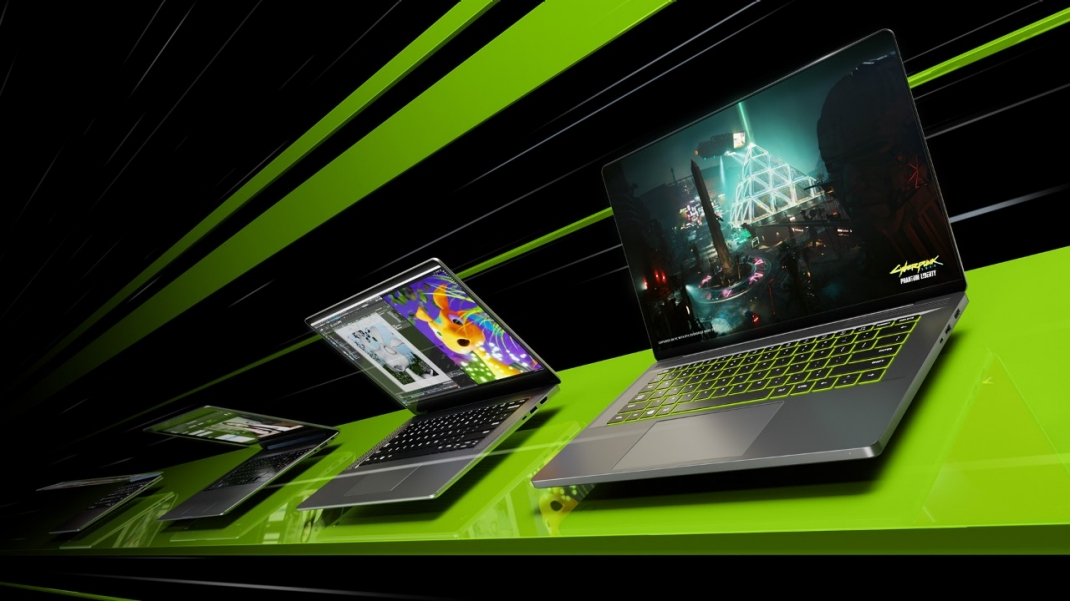
NVIDIA is officially expanding its GeForce RTX 5070 Laptop GPU lineup with a new 12 GB configuration, giving OEMs another option in the mainstream gaming laptop segment at a time when memory supply remains constrained. The company confirmed the new variant in its GeForce Game Ready Driver 596.36 release, stating that it is “expanding options across GeForce RTX laptops with a new GeForce RTX 5070 Laptop GPU configuration, including a 12GB option,” and that the move is intended to help partners bring a broader range of laptops to market amid tight memory availability.
The change is important because the original GeForce RTX 5070 Laptop GPU launched with 8 GB of GDDR7 memory, while the new version raises that to 12 GB without changing the core positioning of the chip. NVIDIA’s laptop comparison page and prior product materials list the RTX 5070 Laptop GPU with 4,608 CUDA cores, placing the new model in the same performance class, just with a larger VRAM pool that should better suit more demanding modern games, higher texture settings, and heavier creator or AI workloads.
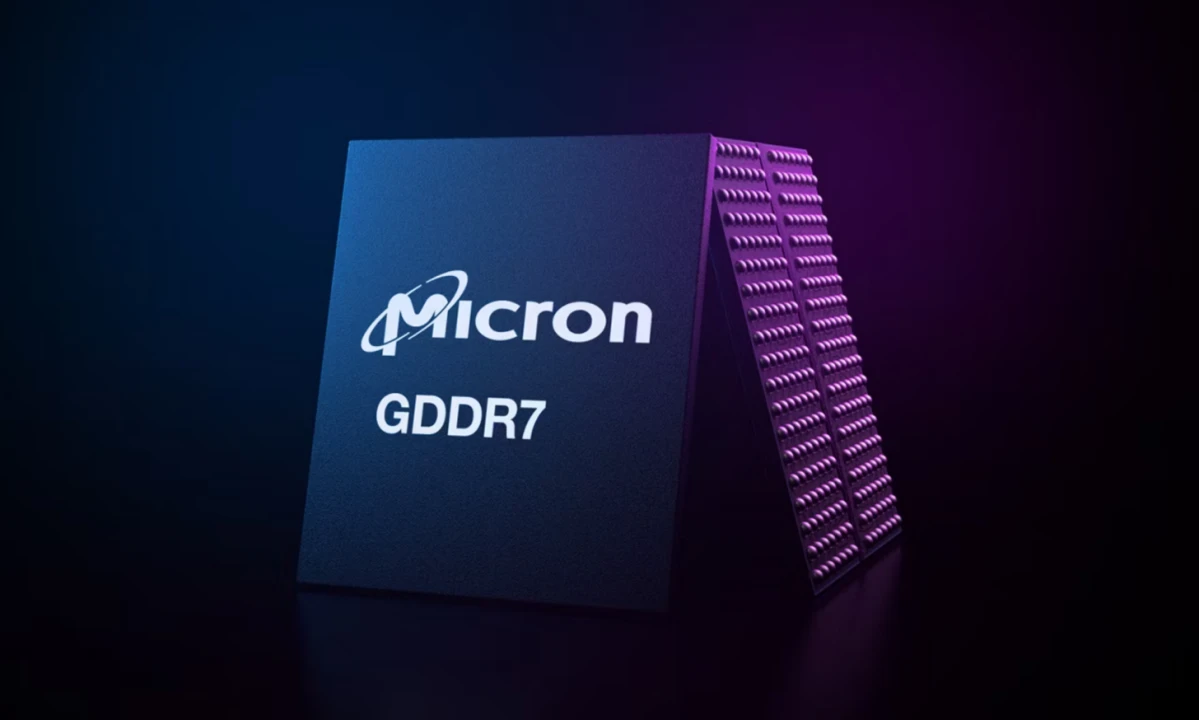
The practical reason this upgrade is possible is memory packaging rather than a wider bus. Coverage of the new variant reports that NVIDIA is using higher density 24 Gb GDDR7 modules instead of 16 Gb chips, allowing the RTX 5070 Laptop GPU to move from 8 GB to 12 GB on the same 128 bit memory interface. That means bandwidth should remain effectively unchanged while capacity rises by 50%, which is a meaningful boost for a laptop GPU in this tier.
NVIDIA has also made clear that the 12 GB version is not replacing the 8 GB model. Instead, both will coexist, which gives laptop makers more flexibility across price tiers and chassis designs. That approach makes sense in the current market, where memory supply pressure is still influencing product planning and where OEMs are looking for ways to balance performance, cost, and availability across a wide range of gaming notebooks.
From a market perspective, the new configuration helps address one of the more visible weaknesses in the original RTX 5070 Laptop positioning. While 8 GB is still workable for many games, it has increasingly looked tight for newer AAA releases and heavier AI assisted workflows, especially on laptops expected to stay relevant for several years. Moving to 12 GB does not suddenly turn the RTX 5070 Laptop GPU into a higher tier product, but it does give it more breathing room in exactly the area that many gamers and laptop buyers have been watching most closely. That is an inference based on the specification change and the broader trend toward higher VRAM demand in modern games.
The timing also fits NVIDIA’s current messaging around constrained supply. The company directly tied the new option to strong demand for GeForce RTX Laptop GPUs and tighter memory availability, suggesting this is as much a supply chain optimization move as it is a product upgrade. In other words, NVIDIA is not only giving buyers more VRAM, it is also adapting the lineup to whatever memory configurations are most practical for large scale laptop production right now.
For buyers, the biggest question will now be pricing. NVIDIA has not announced a universal premium for the 12 GB configuration, and laptop pricing will likely vary by OEM, cooling design, display, CPU pairing, and region. Still, this new RTX 5070 Laptop GPU option should land below RTX 5070 Ti laptop systems while offering a more comfortable memory buffer than the original 8 GB model, which could make it one of the more appealing balance points in the 2026 gaming laptop stack. This pricing relationship is an inference based on NVIDIA’s current product segmentation and published lineup structure.
Would you choose an RTX 5070 laptop with 12 GB, or would you still stretch the budget for an RTX 5070 Ti class machine?
