
NVIDIA CEO Says AI Is Driving the Largest Infrastructure Buildout in Human History, and the Momentum Is Still Accelerating
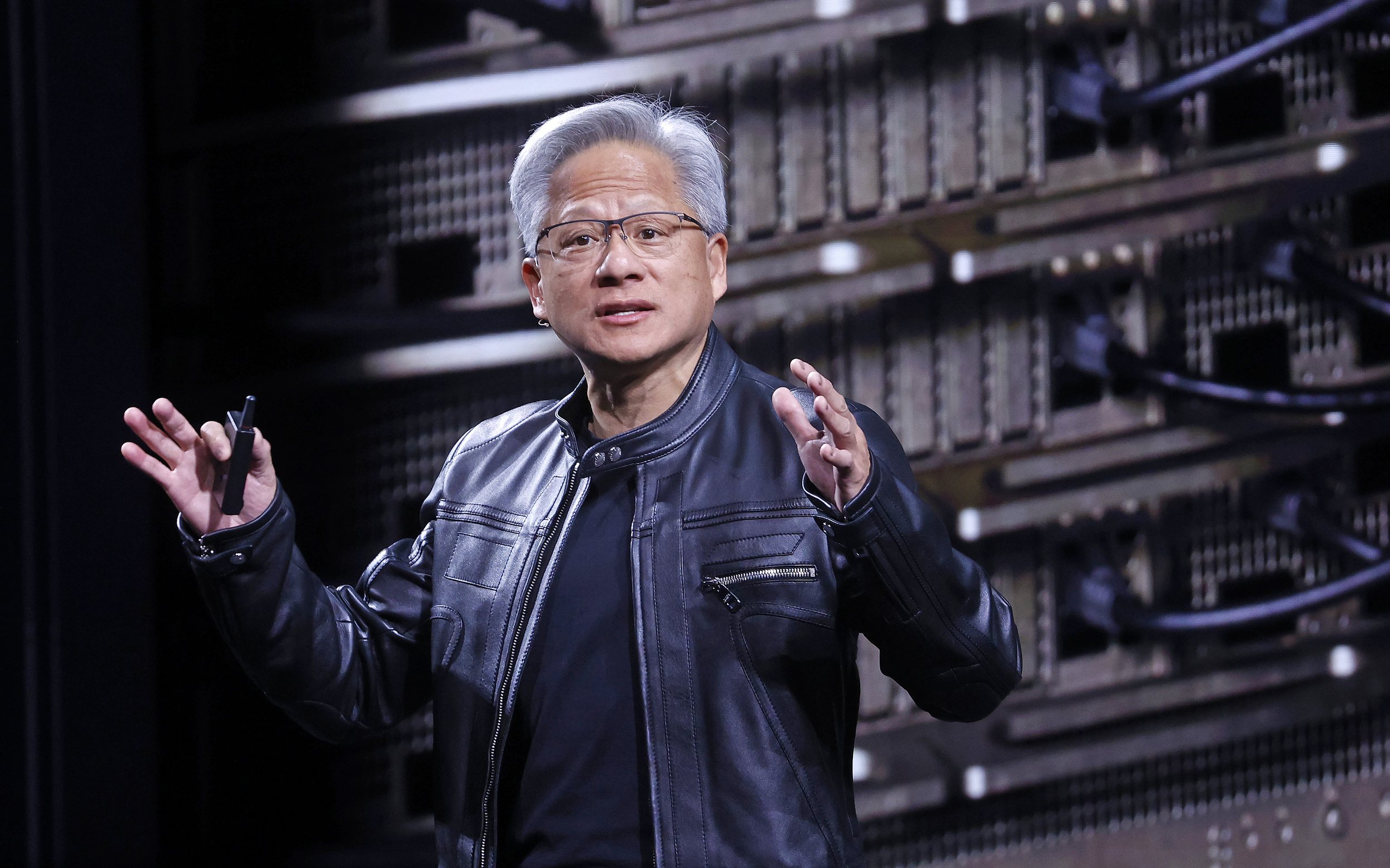
NVIDIA’s Jensen Huang is making the case that the AI era is not a short cycle, but a multi trillion dollar infrastructure transition that is still in its early innings. Speaking at the World Economic Forum in a conversation alongside BlackRock CEO Larry Fink, Huang framed today’s AI investment wave as the largest infrastructure buildout in human history, arguing that the modern computing platform now requires full stack deployment across data centers, networking, software layers, and the energy and facilities needed to run it all at scale.
In the same appearance, Huang shared a personal story from NVIDIA’s early public days, recalling that after the IPO he sold shares when the company’s valuation was around 300,000,000$ to buy his parents a Mercedes S Class. The anecdote lands as more than a fun memory. It underscores how completely NVIDIA’s trajectory has been reshaped by the AI boom, and how even insiders who built the company could not have forecast the magnitude of what was coming.
That theme connects directly to one of the most common narratives around NVIDIA’s rise: missed upside. Huang’s story mirrors the broader market regret that often follows platform shifts, where the “obvious in hindsight” moment arrives after the compounding already happened. A recent example frequently cited is SoftBank CEO Masayoshi Son, who previously sold a stake in NVIDIA that would reportedly be worth tens of billions, as covered by Business Insider.
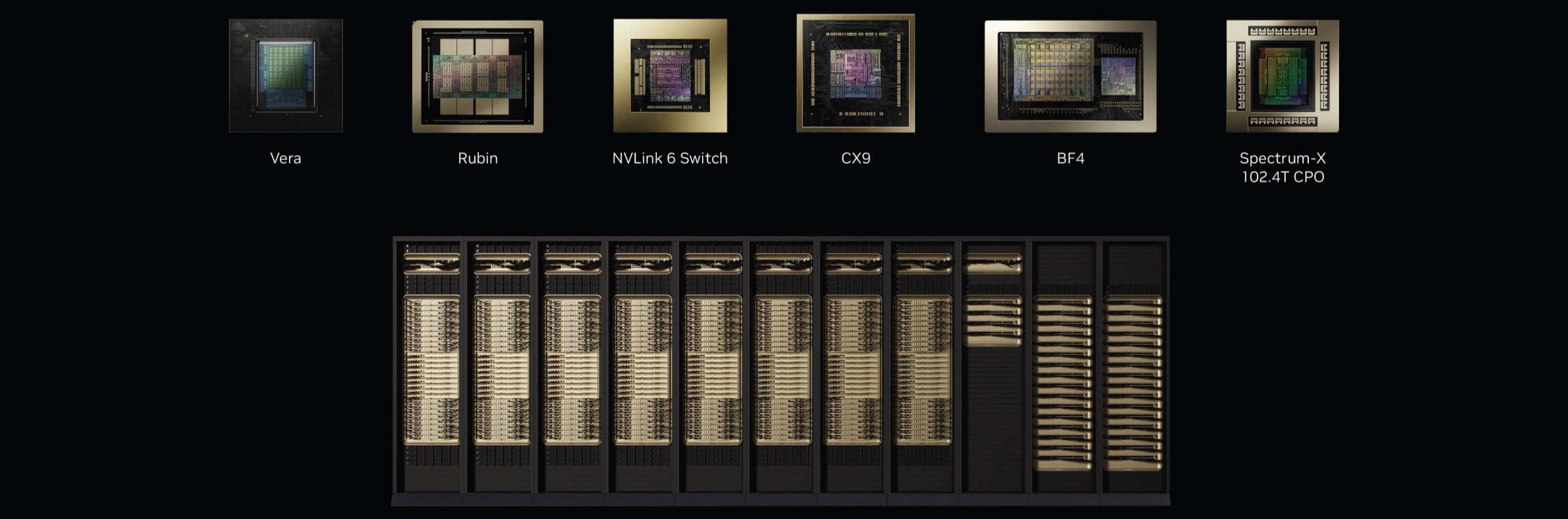
Huang’s core argument is that AI is forcing the world to build new computing infrastructure the way prior eras built railroads, highways, power grids, and the modern internet backbone. In his view, frontier models and the applications layered on top of them require massive compute, massive memory, and massive networking, and that demand does not taper quickly because every new capability expands what companies want to deploy. He described the world as already a few hundred billion dollars into this buildout, with trillions more required to support the next phase of AI adoption.
He also implicitly reinforces why NVIDIA’s position remains structurally strong in this cycle. Beyond GPUs, the company’s leverage comes from platform gravity. Its software and tooling ecosystem, plus its growing portfolio of AI frameworks and model initiatives, makes it easier for enterprises and hyperscalers to standardize on NVIDIA as the default deployment path. This is the part that many investors and even some gamers overlook. The hardware is the headline, but the software platform is what keeps customers locked into a predictable roadmap.
At the same time, the market is still debating whether investment intensity will translate into durable, widespread AI adoption. That uncertainty is part of why agentic AI has become the new hype center. It offers a clearer value narrative for enterprises: automate workflows, compress cost, and improve output velocity. If agentic systems scale the way vendors expect, the infrastructure thesis strengthens. If adoption stalls, the industry will be forced to justify the capex with more tangible outcomes. Huang’s message suggests NVIDIA believes the former is already happening and that the buildout is rational, not speculative.
Do you agree with Jensen Huang that AI is driving the largest infrastructure buildout in human history, or do you think the market is overbuilding ahead of real world adoption?
