
NVIDIA CEO Jensen Huang Says Successor Talk Is Not a Priority, But Investors Are Watching the Leadership Bench Closely
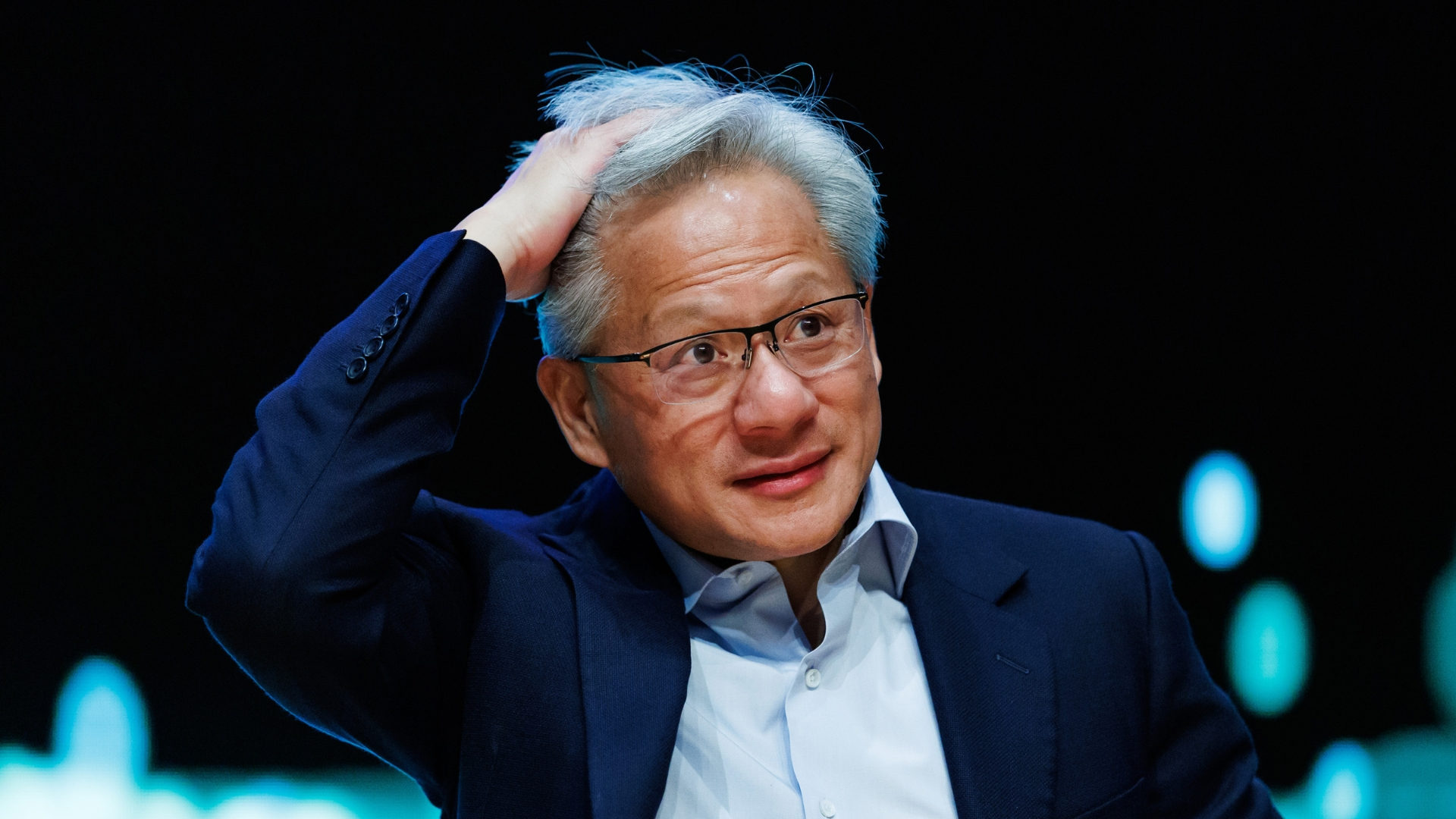
NVIDIA has spent decades scaling from a graphics powerhouse into a central platform company for accelerated computing, and a new Bloomberg report is re igniting a question that tends to follow every mega cap leader eventually: what happens after Jensen Huang. Bloomberg reports there are no clear near term plans to name a successor, even as NVIDIA’s role in the AI supply chain has pushed the company into a level of mainstream scrutiny that most semiconductor firms never reach.
The debate is not just about age or headlines, it is about operating design. Large technology companies typically build visible succession paths through layered management structures, but Huang has long favored a flatter model. In Bloomberg’s framing, NVIDIA has a large number of senior leaders reporting directly to him, which helps explain how decisions move quickly across engineering, product, and go to market, but also increases key person risk in the eyes of investors who want continuity planning to be explicit rather than implied.
Huang has also addressed the topic publicly. In a podcast conversation, he pushed back on the idea of a like for like replacement, saying there will never be another CEO like him because he was raised by the company, while also emphasizing that he has around 60 direct reports and many of them could be world class CEOs elsewhere. That comment reinforces two realities at once: NVIDIA has deep talent, and NVIDIA’s culture is unusually centered on how Huang reasons in real time with a wide circle of senior leaders.
From a market perspective, the concern is less about whether Huang needs to step down soon and more about resilience. When a company’s execution machine is tightly coupled to one leader’s decision velocity, the board and investors tend to want stronger visibility into contingency planning, even if the leader stays for years. With NVIDIA now operating at a scale where leadership headlines can move sentiment, the successor conversation is likely to get louder, not quieter, especially as competitors and regulators scrutinize the company’s influence across AI hardware and software ecosystems.
If NVIDIA never names a single obvious heir, do you see that as a risk signal, or as proof that the company is building a broader bench where multiple leaders can step in depending on the moment?
