
New Lawsuit Claims Meta and WhatsApp Can Access Private Chats Despite End to End Encryption Messaging
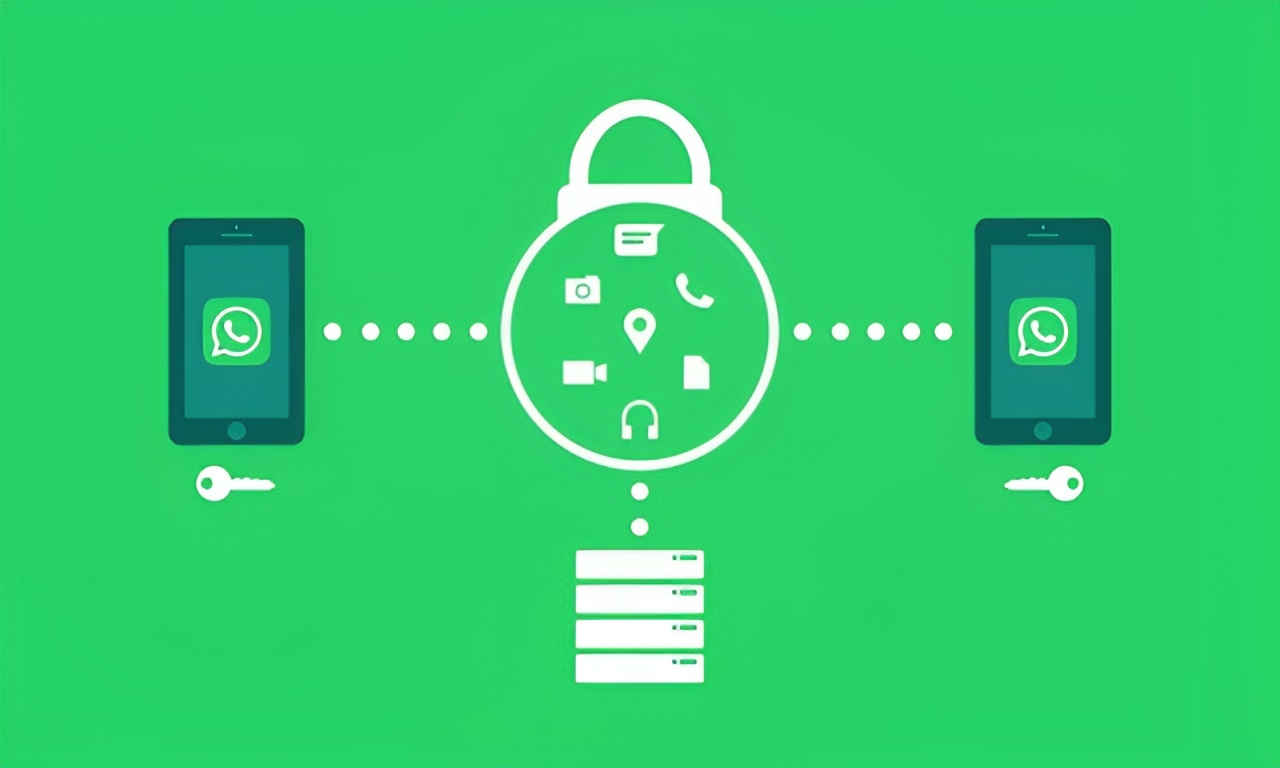
A new lawsuit is directly challenging one of Meta’s most repeated privacy promises around WhatsApp, alleging that the platform’s end to end encryption is effectively a marketing shield rather than a real barrier to access. In the complaint, plaintiffs argue that Meta and WhatsApp store, analyze, and can access virtually all WhatsApp users’ supposedly private communications, calling into question the core assumption that message content is unreadable to the company itself.
According to the report from Yahoo Finance, an international group of plaintiffs from Australia, Brazil, India, Mexico, and South Africa filed the case in a US District Court in San Francisco and is petitioning for class action status. The lawsuit cites whistleblowers and claims that Meta and WhatsApp retain the ability to access the substance of user messages. However, the plaintiffs have not detailed the technical mechanism behind the allegation, and the filing does not publicly spell out how the alleged access would occur, or what specific role the whistleblowers played in validating the claim.
This legal attack lands in a high pressure moment for platform trust. WhatsApp has long promoted end to end encryption as a defining product advantage, and Meta has repeatedly emphasized that the service uses the Signal protocol for message protection. Meta also expanded encryption options to cloud backups in 2021, a move widely positioned as strengthening the privacy posture for users who rely on backup and restore workflows. The lawsuit’s theory, if it gains traction, would aim to undermine that entire positioning by arguing that encryption does not meaningfully prevent Meta and WhatsApp from accessing private chats.
Meta’s response has been blunt and confrontational. The company has denied the allegations, calling them categorically false and absurd, and framing the lawsuit as a frivolous work of fiction. A Meta spokesperson also reiterated that WhatsApp has been end to end encrypted using the Signal protocol for a decade, reinforcing that the foundational security claim is not new and is central to how WhatsApp is built and marketed.
From a broader industry lens, the outcome here could be less about an immediate verdict and more about discovery and optics. If the case advances, plaintiffs will likely try to force technical disclosure, internal policy clarification, and documentation about data handling that could reshape public perception even before any final ruling. If the case collapses early, it still highlights how fragile consumer trust is around encrypted messaging, especially when the platform owner is also an advertising giant that is continuously scrutinized for data practices.
Do you think lawsuits like this will push messaging apps toward more transparent technical proofs and third party verification, or will most users continue to treat encryption claims as a branding feature rather than a measurable guarantee?
