
MSI GeForce RTX 5090 Lightning Z Officially Revealed
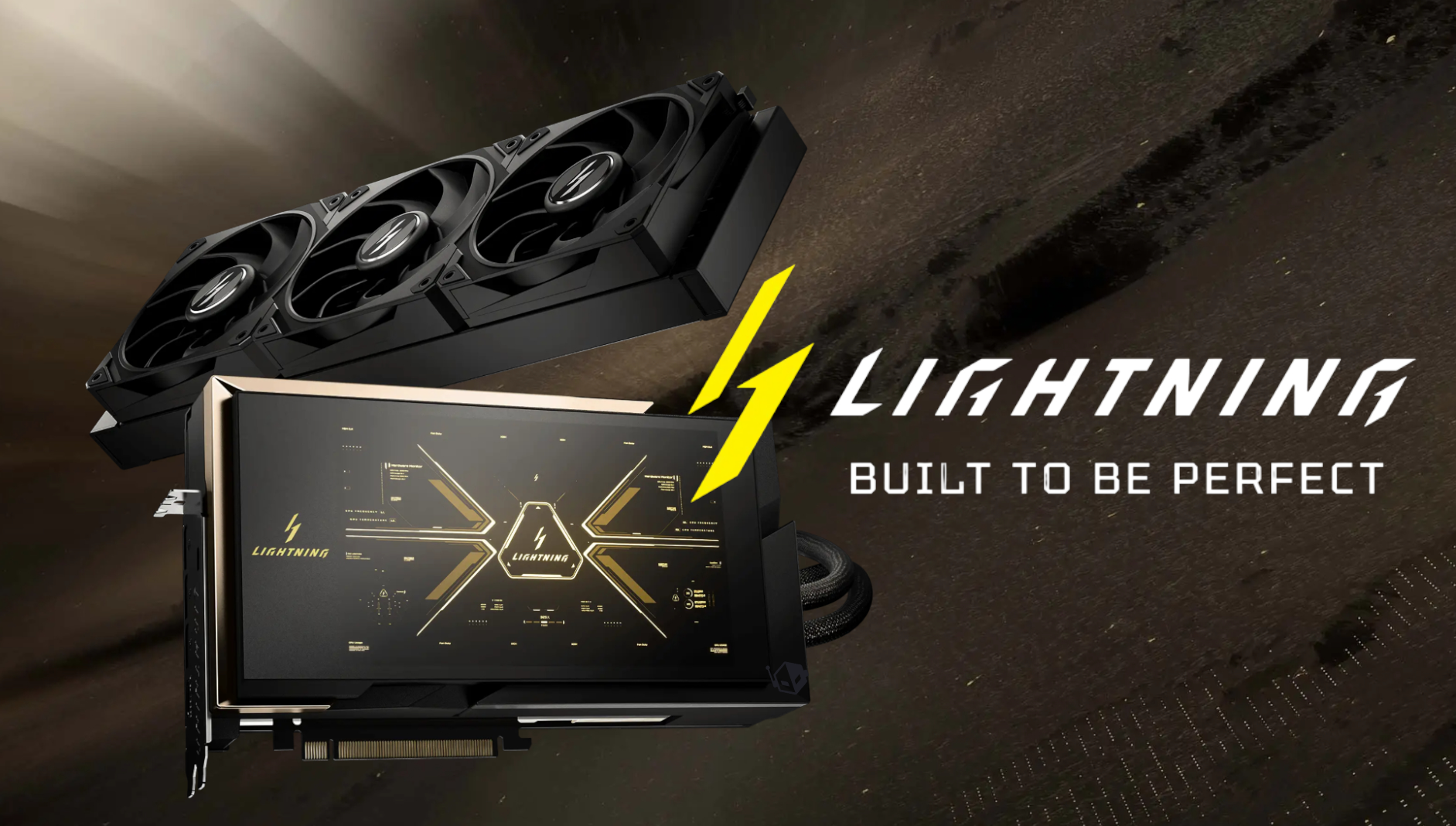
MSI has officially lifted the curtain on its most extreme consumer graphics card to date with the launch of the GeForce RTX 5090 Lightning Z, a flagship Blackwell based GPU engineered without compromise and designed to push the absolute limits of modern graphics performance.
The return of the Lightning series marks a clear statement from MSI. This is not a conventional flagship GPU refresh but a showcase of engineering ambition, extreme power delivery, and enthusiast focused design. MSI has already drawn massive attention by previewing the card multiple times over the past few days, and with the official unveiling, the full scope of what the RTX 5090 Lightning Z represents is now clear.
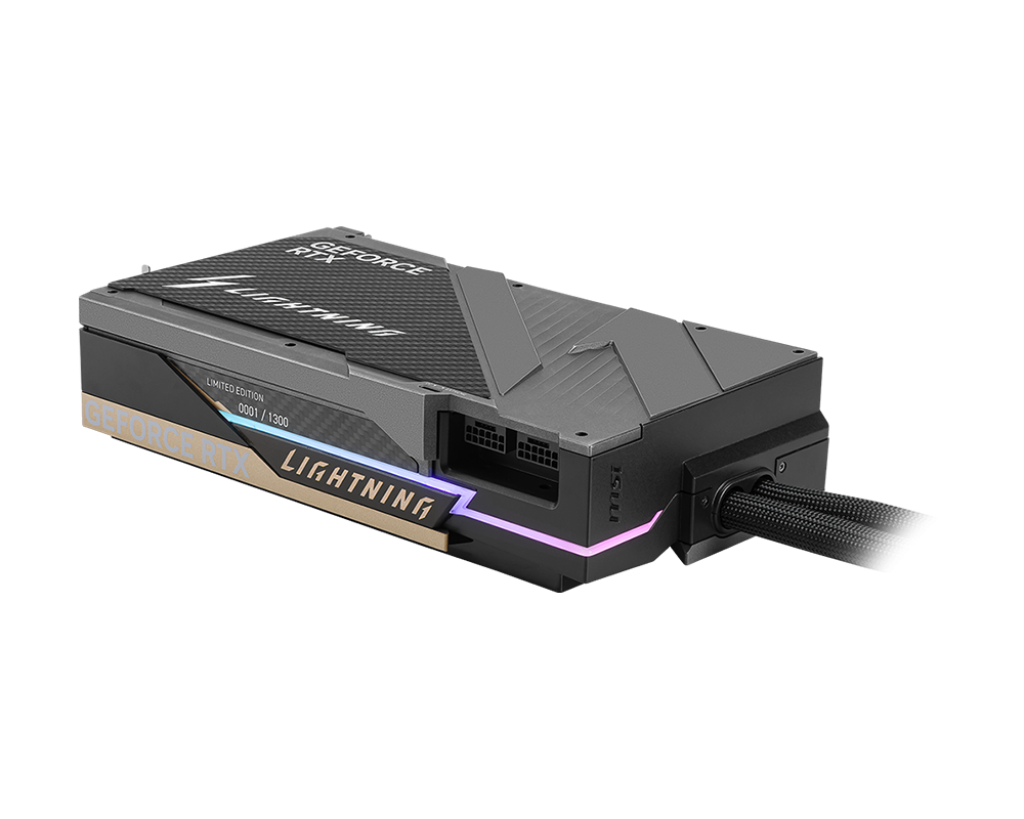
At the heart of the Lightning Z sits NVIDIA’s RTX 5090 GPU paired with a custom MSI PCB featuring an astonishing 40 phase VRM design. In standard OC configuration, the card is rated for up to 800W of power draw, while Extreme Mode pushes that figure to 1000W. For extreme overclockers, MSI has also included a dedicated XOC BIOS capable of unlocking up to 2500W of power headroom. This BIOS is strictly intended for record breaking sessions and will void warranty coverage, but it highlights just how far MSI has designed this platform to scale. Due to the extreme power demands, MSI recommends a 1600W or higher power supply for stable operation.
On the frequency side, the RTX 5090 Lightning Z ships with a rated boost clock of 2730MHz. Using the Extreme profile through MSI Center software, boost clocks can reach up to 2775MHz. However, internal and early showcase testing has already demonstrated that the GPU is capable of pushing nearly 1000MHz beyond stock frequencies under extreme overclocking conditions, firmly positioning it as a halo product for competitive enthusiasts.
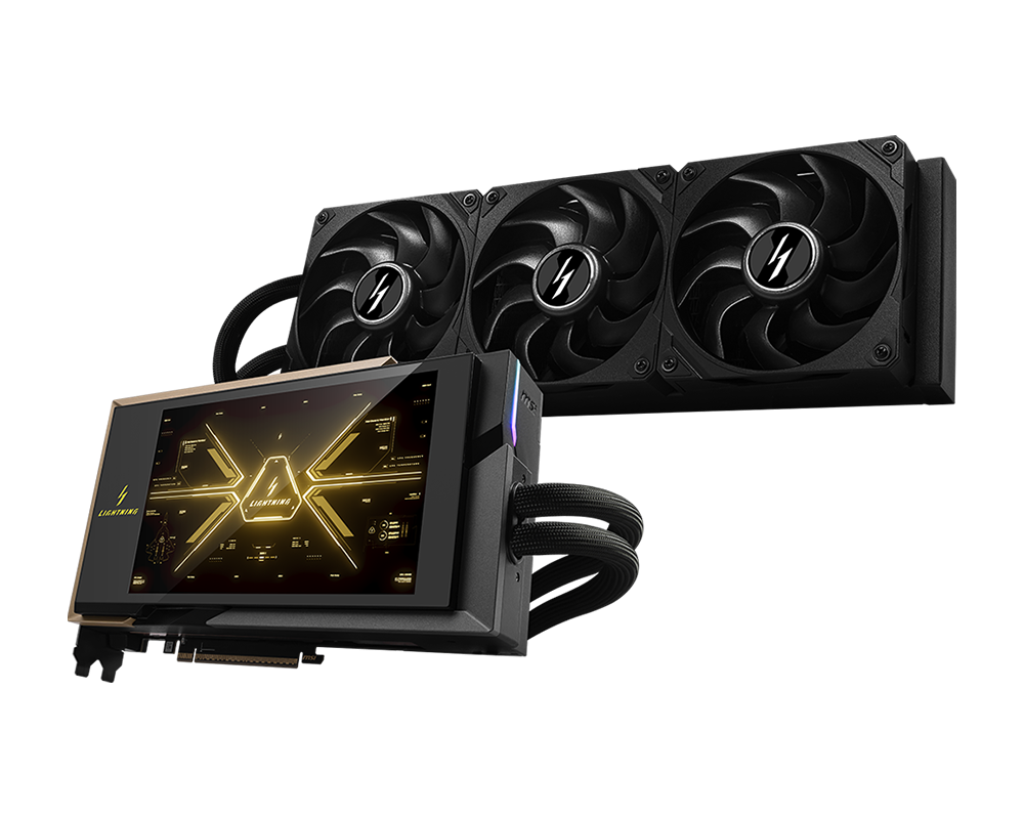
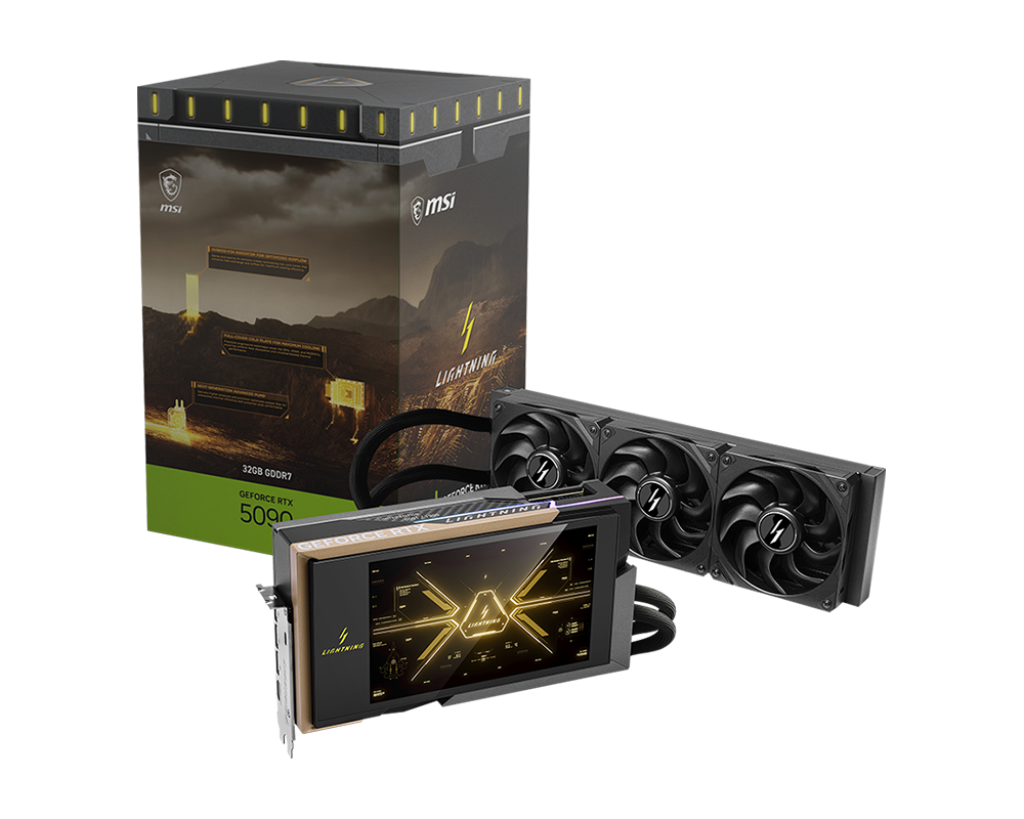
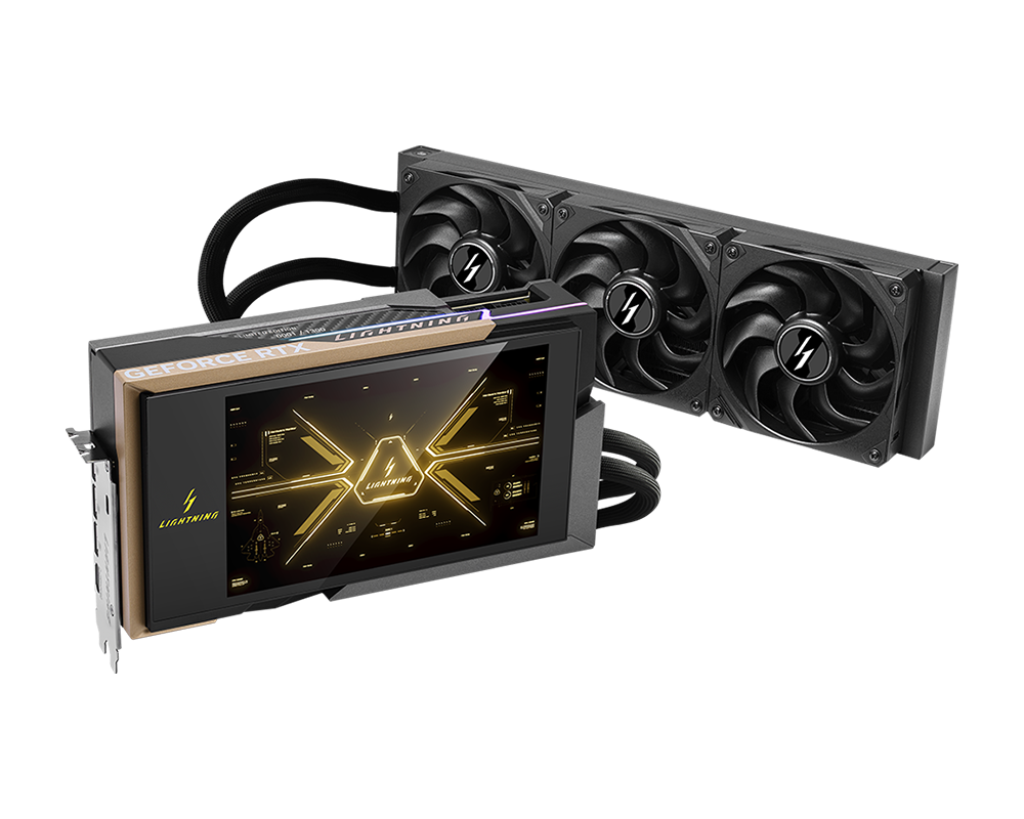
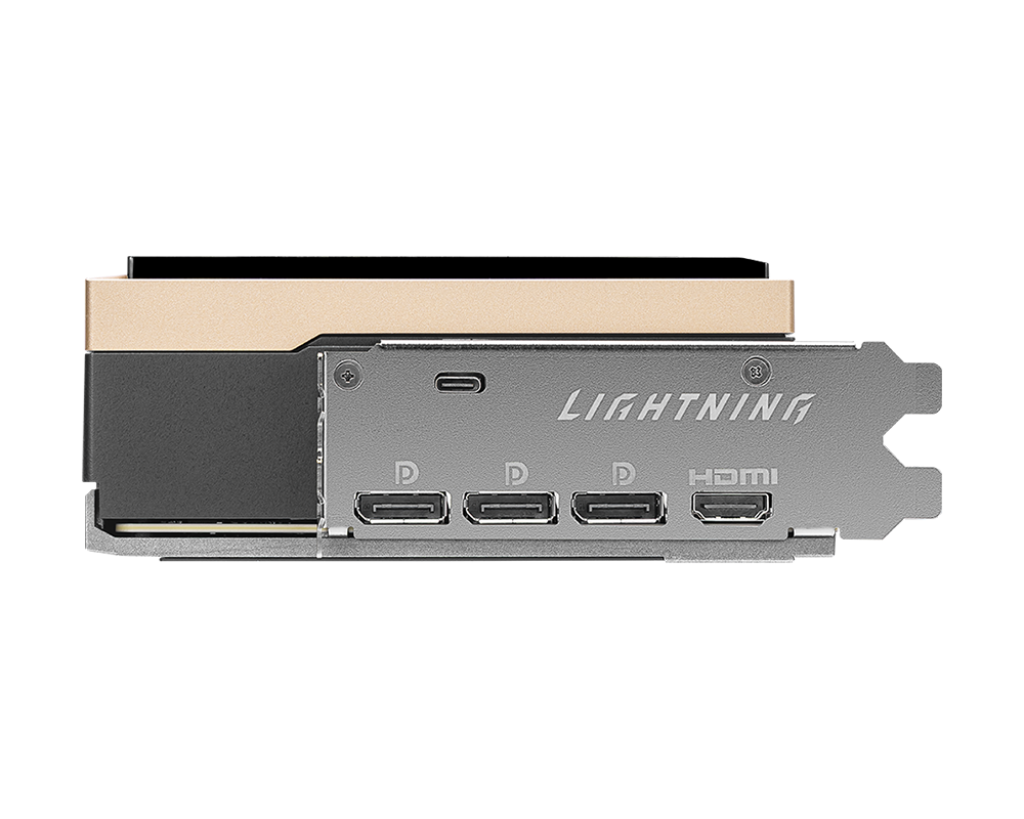
Cooling is equally aggressive. MSI equips the Lightning Z with a closed loop liquid cooling solution using a 360mm radiator. This solution is paired with what MSI describes as the world’s first full copper full cover cold plate design, directly cooling the GPU die, VRAM, and VRM components simultaneously. This approach is designed to ensure thermal stability even when operating at extreme power levels.
The cooling system integrates several proprietary technologies including a precision engineered full cover cold plate with dedicated water channels, a patented hybrid fin radiator optimized for airflow efficiency, custom Lightning fans constructed from liquid crystal polymer material, a next generation high pressure pump for increased coolant flow, and a premium carbon fiber backplate that improves rigidity while reinforcing the Lightning aesthetic.
Despite the aggressive cooling hardware, the card maintains a relatively compact footprint for its class, occupying 2.5 slots. The physical dimensions are 260 x 151 x 61 mm, making it shorter than many triple fan air cooled flagships currently on the market.
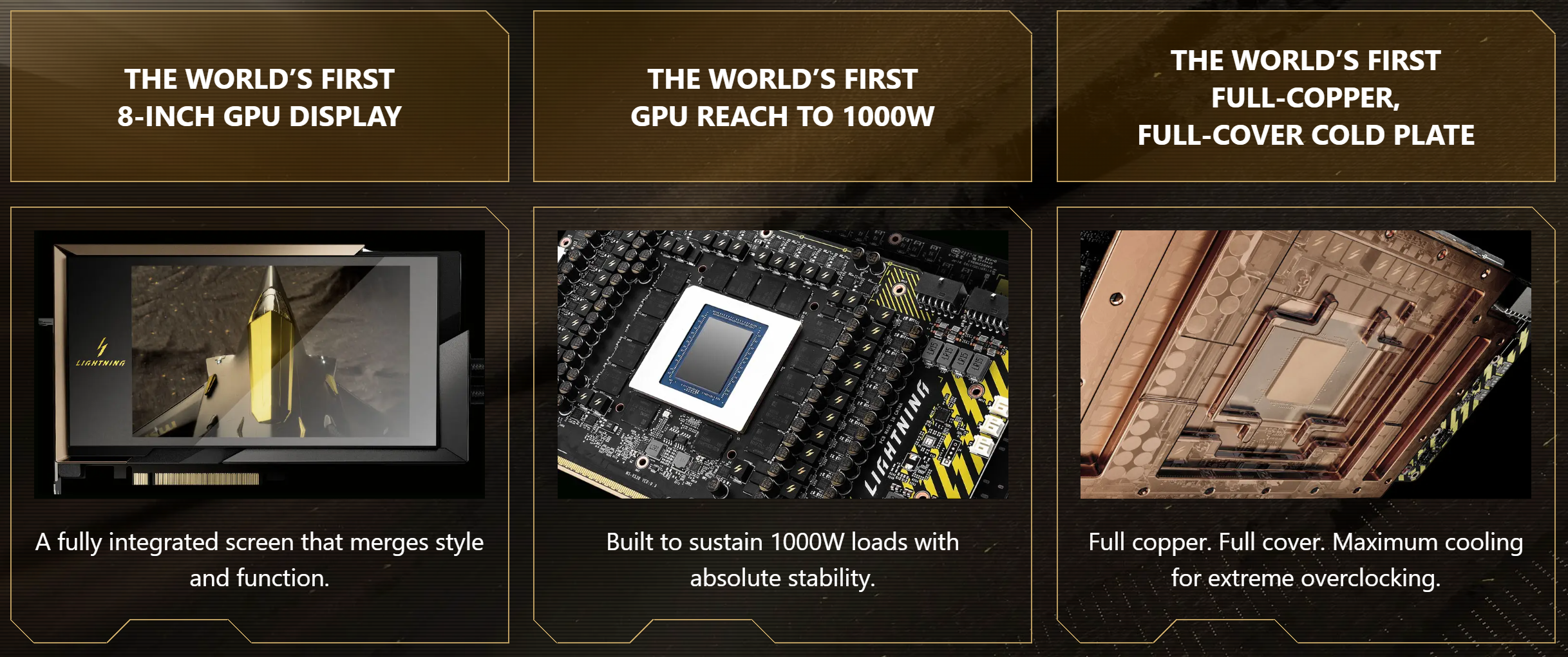
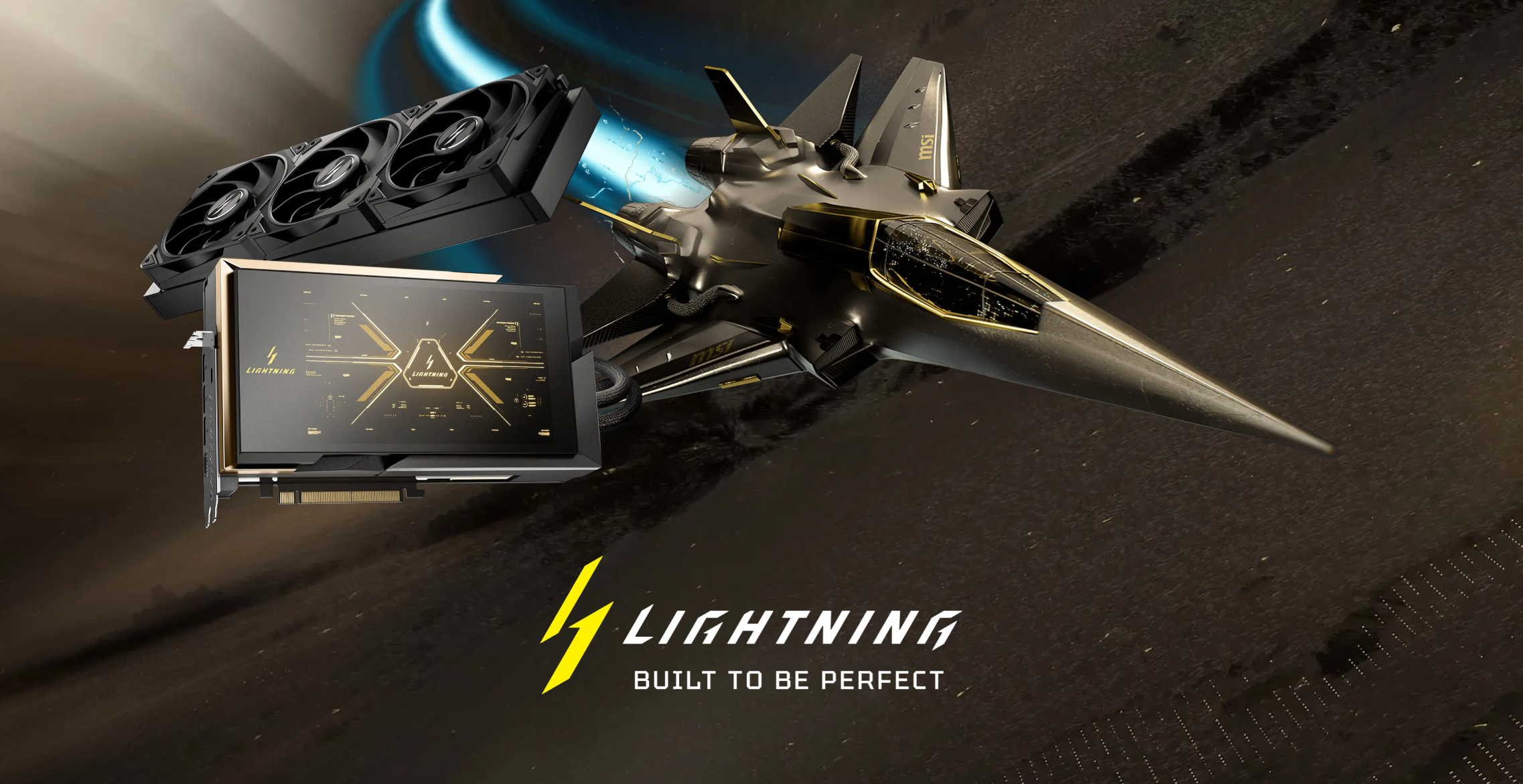
Visually, the RTX 5090 Lightning Z is unmistakable. MSI leans heavily into the Lightning identity with a bold yellow and black color scheme, fighter jet inspired accents, and premium carbon fiber detailing. The centerpiece of the design is an integrated 8 inch display mounted directly on the shroud. MSI proudly markets this as the world’s first 8 inch GPU display, and it is notably larger than displays found on many flagship smartphones. The screen is capable of displaying system information, custom visuals, and animated content, transforming the GPU into a functional and aesthetic focal point within a high end build.
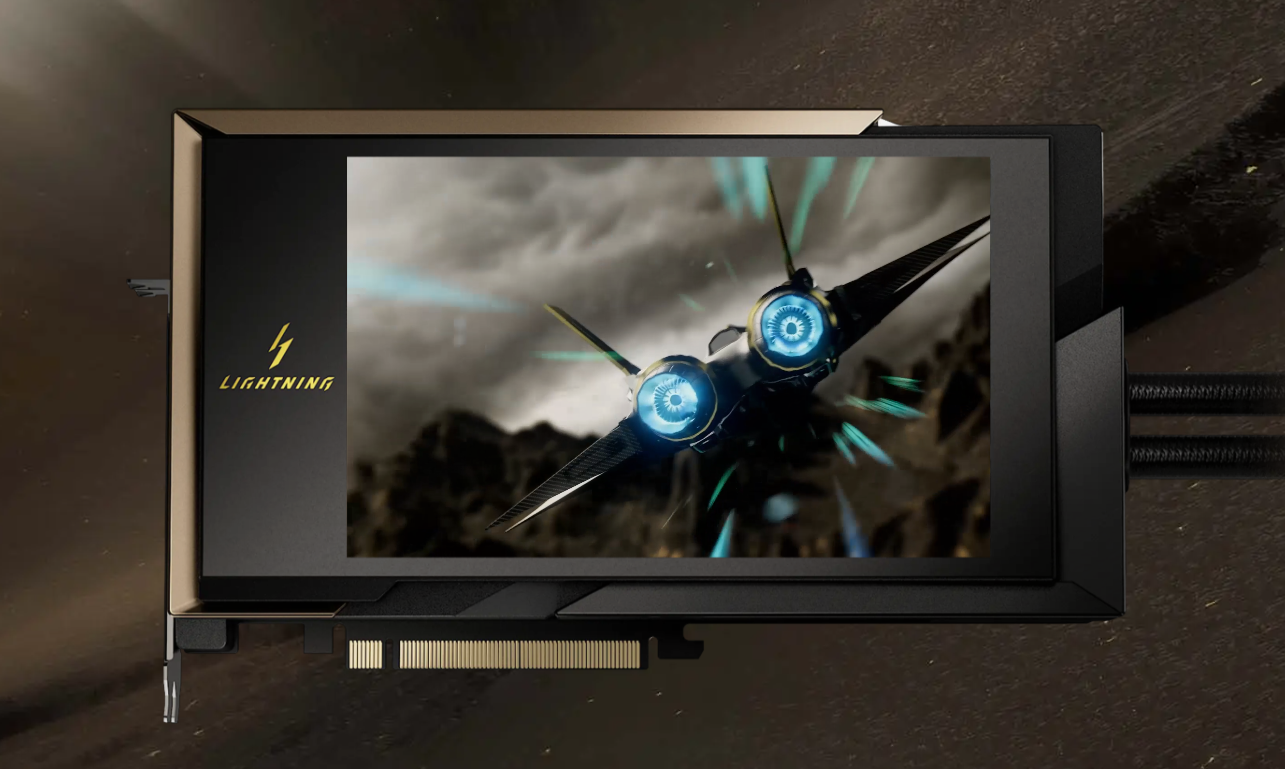
MSI has confirmed that the GeForce RTX 5090 Lightning Z will be produced as a limited edition product, with only 1300 units planned globally throughout its entire lifecycle. Pricing and exact availability have not yet been announced, but given the specifications, limited production run, and extreme positioning, the card is expected to command a significant premium over standard RTX 5090 models.
The GeForce RTX 5090 Lightning Z is not a product aimed at the mainstream. It is a statement piece, a technological flex, and a platform designed for overclockers, collectors, and enthusiasts who want the most extreme GPU MSI has ever created.
What are your thoughts on a 1000W consumer GPU with a 2500W XOC BIOS? Is this the future of flagship graphics cards or a niche engineering showcase for extreme enthusiasts only?
