
Moss Studio Polyarc Hit by Layoffs After Funding Push for Next Project Falls Through
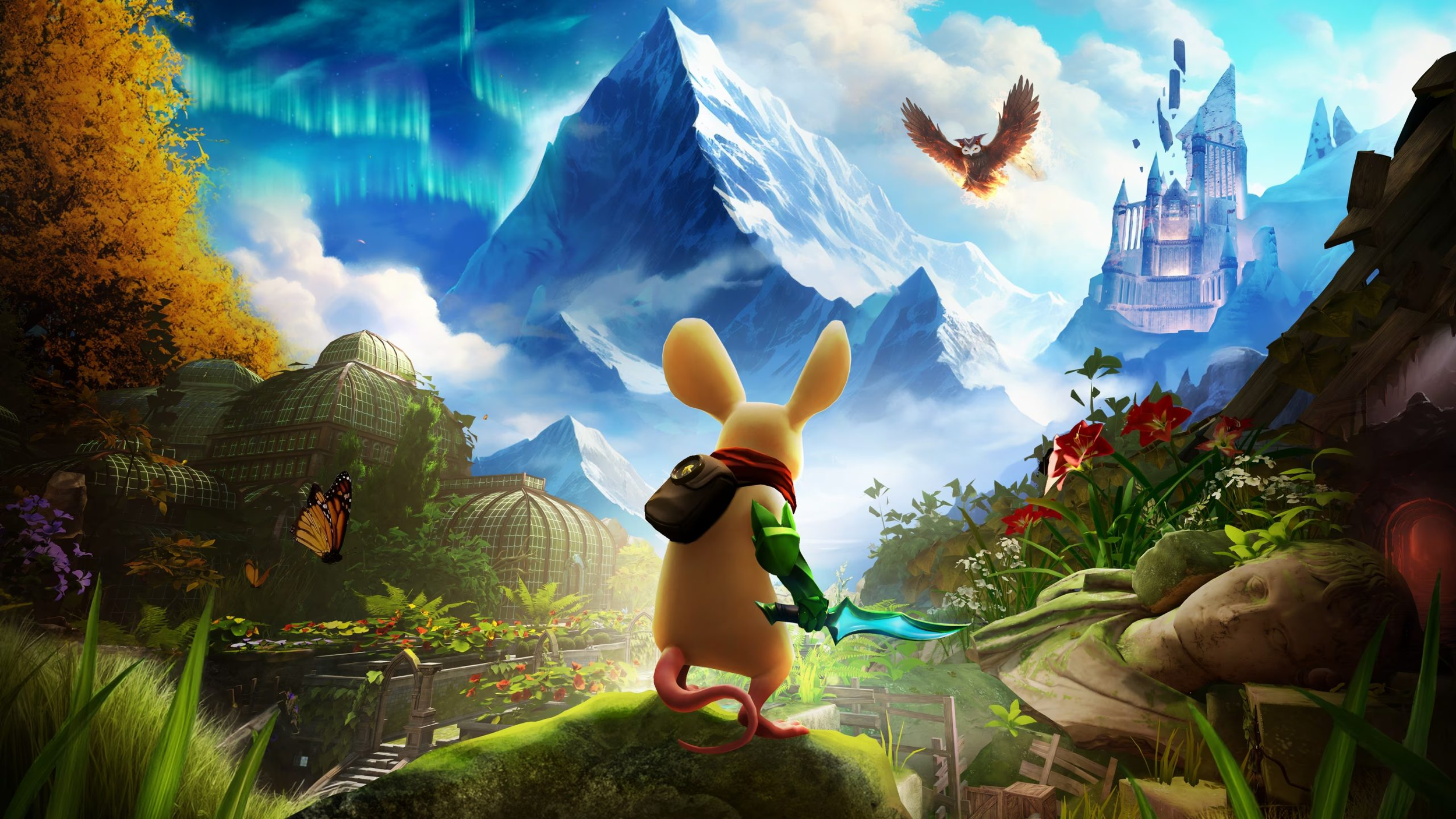
The pressure on the VR games business continues to intensify. Polyarc, the studio behind the acclaimed Moss and Moss: Book II, has confirmed significant layoffs after failing to secure funding for its next project, according to a statement shared on the company’s LinkedIn page. In its message, the studio said the cuts followed an “unsuccessful team wide effort” to find support after the cancellation of a major project. Coverage from multiple industry outlets on March 31, 2026 independently matched that summary, and one report cited a former employee saying roughly two thirds of staff may have been affected, although Polyarc itself did not publicly confirm a number.
Polyarc’s statement makes clear that this was not a routine restructuring. The studio said it had to “significantly reduce the size of the company” after the funding effort failed, and thanked affected staff for their work, creativity, and care. That language points to a deeper issue than a delayed milestone or short term schedule adjustment. It suggests that a meaningful part of the studio’s forward pipeline had already been disrupted, and that without new backing, the company could not maintain its previous scale.
For PlayStation VR players in particular, this is a painful development. Moss earned a reputation as one of the most essential experiences on the original PSVR, blending elegant third person platforming, environmental interaction, and a storybook presentation that helped define what premium VR design could look like. Moss: Book II carried that momentum forward and reinforced Polyarc’s position as one of the most respected creative teams in the space. In a market that often struggles to deliver standout VR exclusives with strong identity, Polyarc was one of the studios that consistently proved the medium could offer something special.
The studio’s most recent launch was Glassbreakers: Champions of Moss, which released on November 13, 2025 across Meta, Steam, and Apple Vision Pro support channels. The project showed Polyarc was actively exploring new ways to expand the Moss universe beyond the single player adventure format, but the new layoffs now place far more uncertainty around the studio’s next steps. At this stage, Polyarc has not announced a closure, but when a studio loses a major project, fails to replace that funding, and then reduces staff significantly, it becomes much harder to project stability with confidence.
This also fits into a much larger pattern for VR in 2026. After years of promise, the sector is still dealing with a difficult commercial reality where creative ambition and critical praise do not always convert into reliable long term funding. Rec Room’s announced shutdown, ongoing restructuring around Meta’s Reality Labs business, and now Polyarc’s downsizing all point to the same conclusion. VR still has talent, innovation, and strong advocates, but the business side of the market remains fragile. Studios that helped shape the medium are being forced to operate in an environment where securing follow up investment is becoming increasingly difficult.
For now, the hope is that Polyarc can stabilize, secure a new path forward, and preserve the creative identity that made Moss such an important name in VR. But there is no avoiding the broader takeaway. Another key VR developer has been hit at a time when the sector can least afford to lose proven teams.
What do you think, can premium VR studios still find a sustainable future, or is the market entering a much harsher consolidation phase?
