
More GeForce RTX 50 Cards Are Now Showing Up as Blower Style GPUs for China AI Farms, Including RTX 5080, RTX 5070 Ti, and RTX 5060 Ti 16GB
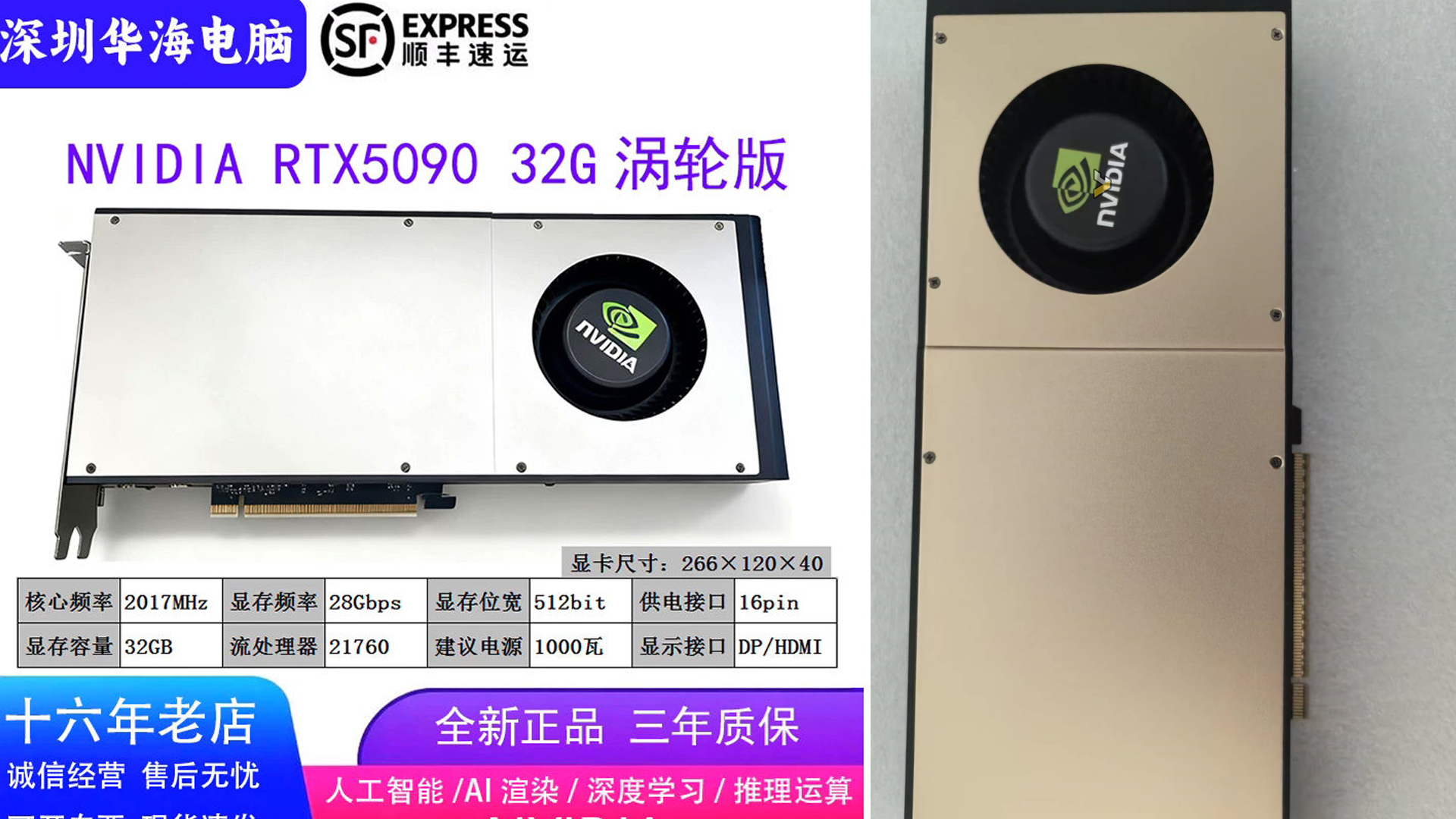
It is no longer just the GeForce RTX 5090 being repurposed into blower style hardware for AI workloads in China. A new report from VideoCardz says multiple GeForce RTX 50 series SKUs are now appearing in blower style designs aimed at dense multi GPU systems, with listings that extend beyond the flagship into more mainstream tiers.
The key shift here is scope. Earlier attention centered on the RTX 5090, where demand, export controls, and gray market routing created an environment for shops and labs to convert cards into server friendly blower layouts. According to the report, similar blower style conversions are now showing up for GeForce RTX 5080, GeForce RTX 5070 Ti, and GeForce RTX 5060 Ti 16GB, all featuring 16GB of GDDR7. The implication is simple: if AI buyers are willing to pay for density optimized cooling and predictable front to back airflow behavior, then the economic incentive expands beyond the top SKU.
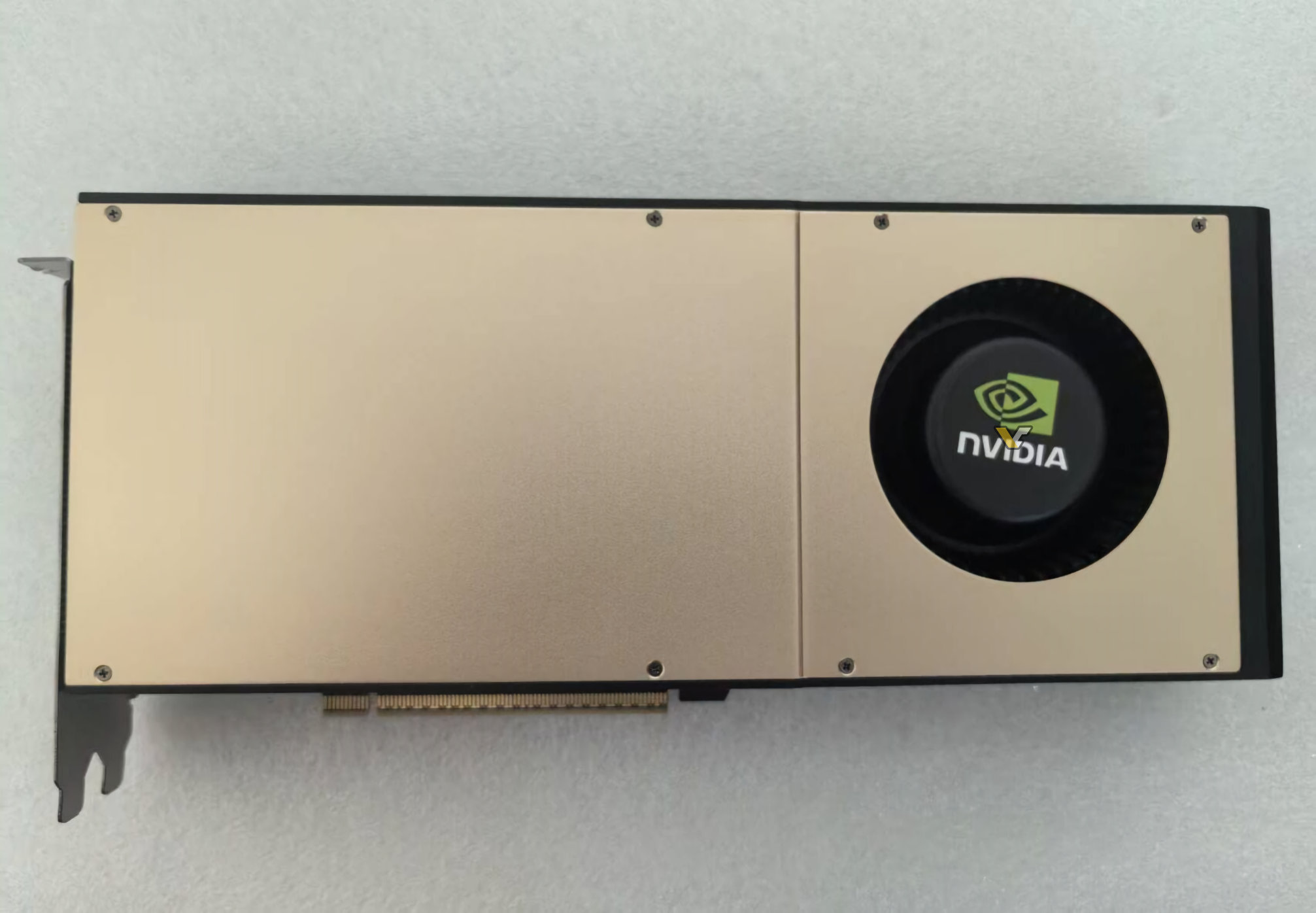
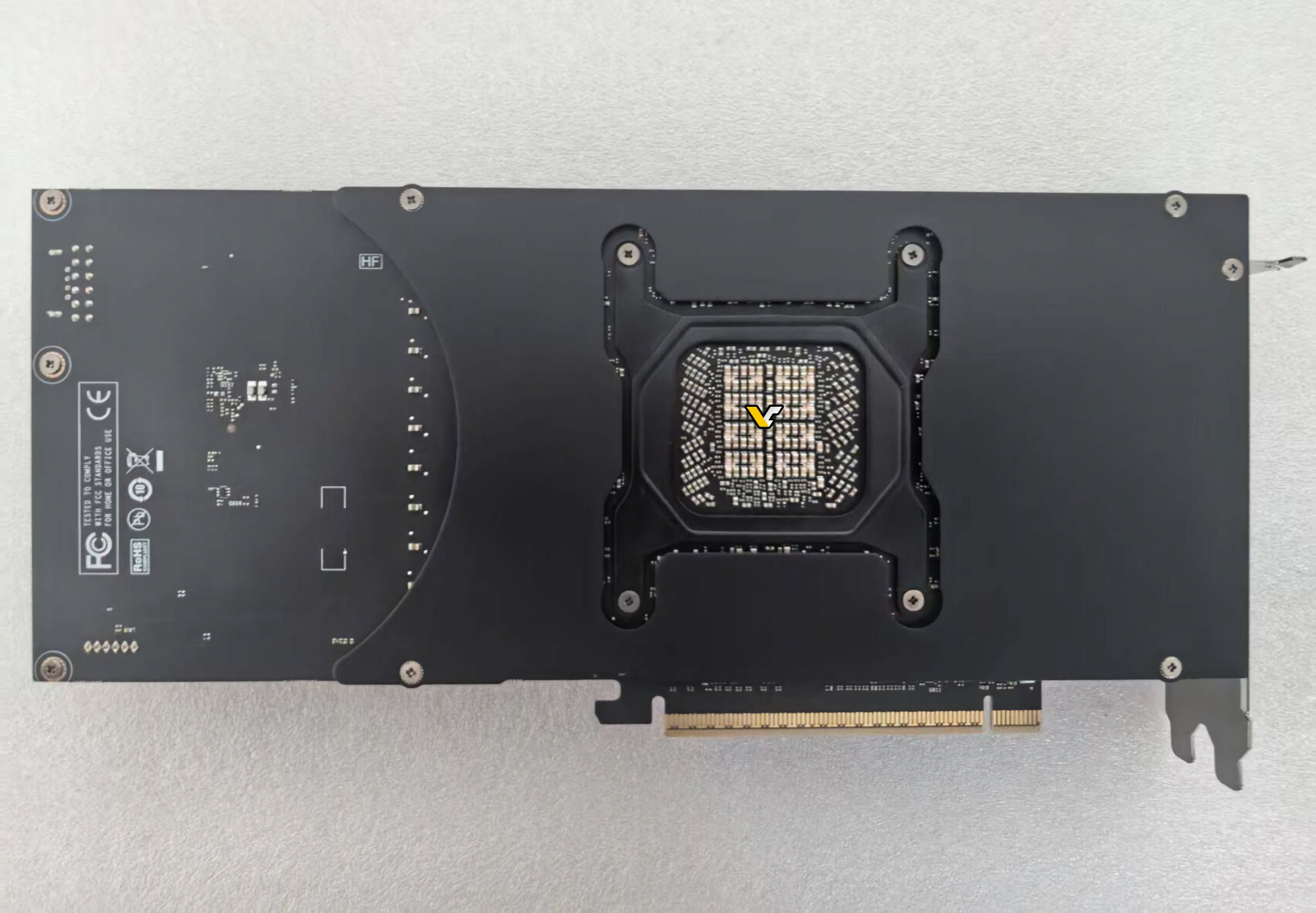
Blower style coolers are not a gamer first design choice in a typical desktop chassis, but they are attractive in AI farms and rack like deployments because they push heat out through the I O side, helping operators pack more GPUs into a tight footprint without relying on wide open case airflow. The report notes these cards are being listed on Taobao, and the images suggest designs that favor multi GPU clearance, including connector placement and a form factor that looks tuned for close spacing.
Just as importantly for the PC gaming market, any RTX 50 inventory diverted into AI focused workflows is inventory that does not reach retail shelves in a normal way. Even if these are not official board partner products and instead aftermarket conversions, the practical outcome is still pressure on availability. It also helps explain why gamers can see persistent scarcity at the top end, while parallel markets happily pay premiums for anything that can be deployed as compute.
Pricing shared in the report reinforces that premium dynamic. Listings around $4150 for an RTX 5090 32GB, around $3869 for an RTX 5090 D 32GB, and just over $3400 for a V2 variant. For the broader stack, the report lists RTX 5080 at roughly $1300, RTX 5070 Ti around $1100, and RTX 5060 Ti 16GB at $573, which is positioned as the lowest price entry among the 16GB options being spotted.
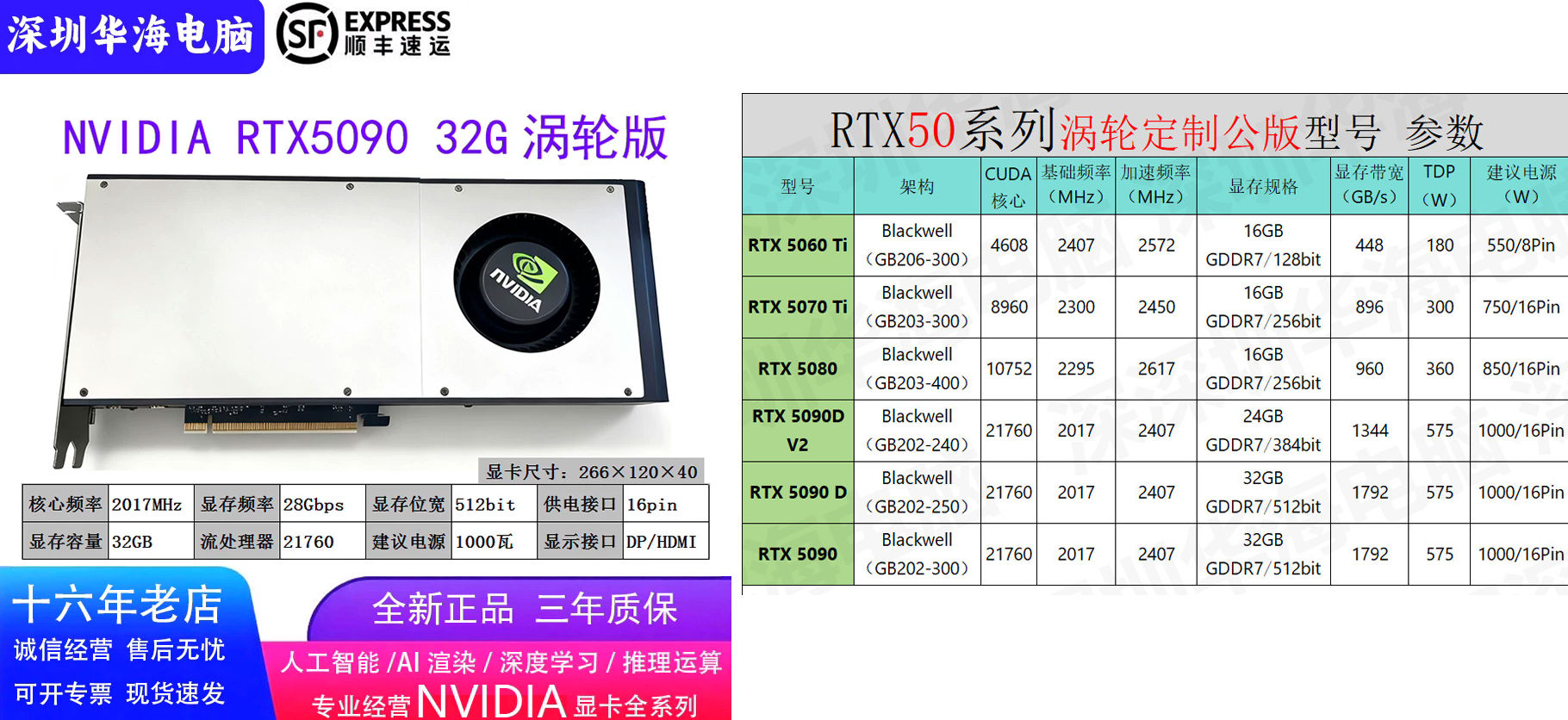
None of this indicates a consumer friendly refresh. Instead, it reads like a market response to two intersecting realities: AI operators want compact, exhaust directed cooling for dense deployments, and any GPU with enough memory capacity and workable thermals becomes a target when dedicated accelerator availability is constrained or regulated. For gamers, the takeaway is that the AI pull is now touching more of the GeForce stack, not just the halo product.
If more RTX 50 series GPUs keep getting redirected into blower style AI builds, should NVIDIA and board partners create a clearer separation between gaming and compute focused SKUs, or is this simply the new normal for high demand GPUs?
