
Meta Shuts Down Twisted Pixel, Sanzaru Games, and Armature Studio as Reality Labs Cuts Deepen Across Oculus Studios
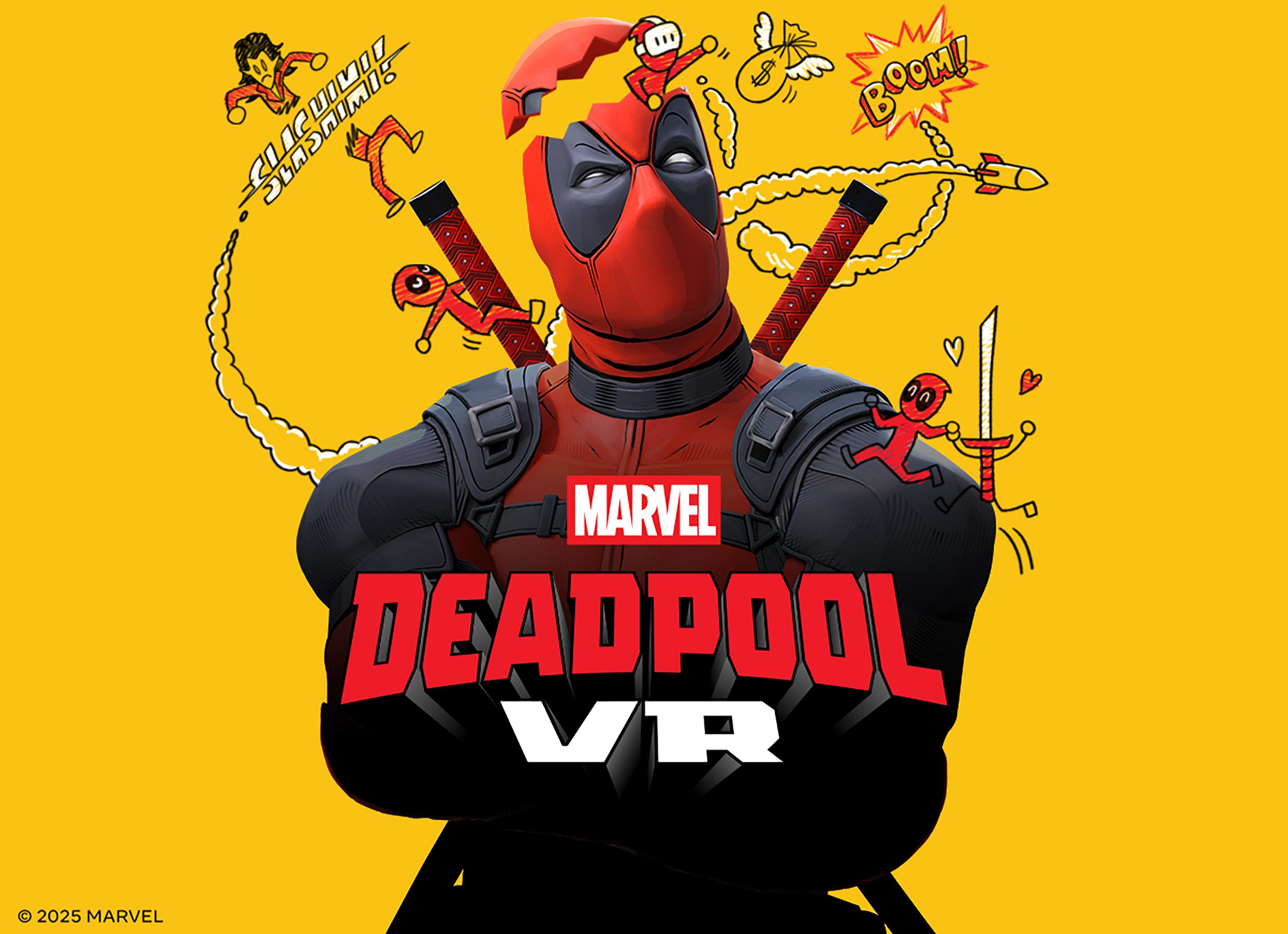
Meta has begun a significant restructuring inside Reality Labs, and the impact on its internal VR game pipeline is now landing in the harshest way possible: full studio closures. Following reporting that Meta would reduce headcount by 10% inside Reality Labs, multiple developer posts and follow up coverage now indicate that at least 3 studios under the Oculus Studios umbrella have been shuttered, including Twisted Pixel Games, Sanzaru Games, and Armature Studio.
The initial warning sign came earlier this week when a report from the New York Times stated that Meta would be laying off 10% of its Reality Labs division, the business unit tied to Metaverse initiatives and the internal VR publishing organization that operates under Oculus Studios.
A separate report from Bloomberg adds more scale to the move, stating Meta plans to cut over 1000 jobs as part of the same 10% reduction, and frames the cuts as part of a broader corporate pivot that has deprioritized parts of the Metaverse push.
As the layoffs began to hit today, developers started confirming what the headlines do not always capture: these are not isolated role reductions. Entire teams are being eliminated. One of the clearest public confirmations came from designer Andy Gentile, who posted that he had been laid off and that Twisted Pixel Games had been shut down, alongside Sanzaru Games.
I've just been laid off. It appears the entire @twisted_pixel games studio has been shut down. @SanzaruGames too
— andyTHPS 💙 (@andyTHPS) January 13, 2026
Additional confirmations have since surfaced from inside the affected studios. Senior level designer Ray West shared that several Meta game studios were closed, including Sanzaru, and described the team as powerhouse talent.
Alongside Twisted Pixel and Sanzaru, Armature Studio has also been shuttered. Armature built a strong reputation through high profile VR work, most notably bringing Resident Evil 4 to Oculus Quest 2, and earlier established credibility through ports and technical projects across handheld and console ecosystems. The studio’s official site remains accessible via Armature Studio games page. Armature Studio was founded in 2008, which makes this closure another example of a long running specialist team being removed from the market at a time when experience in VR optimization and technical delivery should be a strategic advantage.
From a portfolio standpoint, the losses are not minor. Twisted Pixel is best known for titles like Deadpool VR, Splosion Man, and Path of the Warrior. Sanzaru Games earned major respect in VR circles with the Asgard’s Wrath series, with Asgard’s Wrath 2 frequently cited among the strongest modern VR releases in terms of production value and platform defining polish. Sanzaru also holds a special place for longtime PlayStation fans due to its work porting the first 3 Sly Cooper games to PlayStation 3 and PlayStation Vita, and for developing Sly Cooper Thieves in Time. The studio also handled ports of the God of War Collection and Secret Agent Clank.
There is also a symbolic sting here. Both Twisted Pixel and Sanzaru were founded in 2006, meaning Meta is closing them just as they approached their 20th anniversaries. In today’s industry climate, reaching 20 years is increasingly rare for mid size studios, and losing that kind of institutional memory has consequences beyond a single project slate.
Strategically, this signals a tightening of Meta’s appetite for long cycle first party VR content. Cutting 10% and potentially more than 1000 roles in Reality Labs is not just a cost correction, it is a recalibration of what Meta believes it needs to sustain its VR and Metaverse ambitions. For players, it introduces uncertainty around long term support patterns, future first party releases, and whether Meta intends to shift from funding premium VR software toward a more platform and services driven approach.
For developers across the industry, this is another reminder that platform holders can change direction quickly, even after years of investment, and that the second order effect is talent displacement across a market that has already been absorbing layoffs for multiple years. As 2026 opens, this is an especially difficult signal for VR creators, because high end VR game development is still a niche discipline that depends heavily on consistent platform commitment.
What do you think this means for the future of premium VR games, is Meta stepping back from funding big first party VR titles, or is this a reset before a different content strategy emerges?
