
Memory Packaging and Testing Companies Have Now Raised Prices By 30% and This Is Only The Beginning
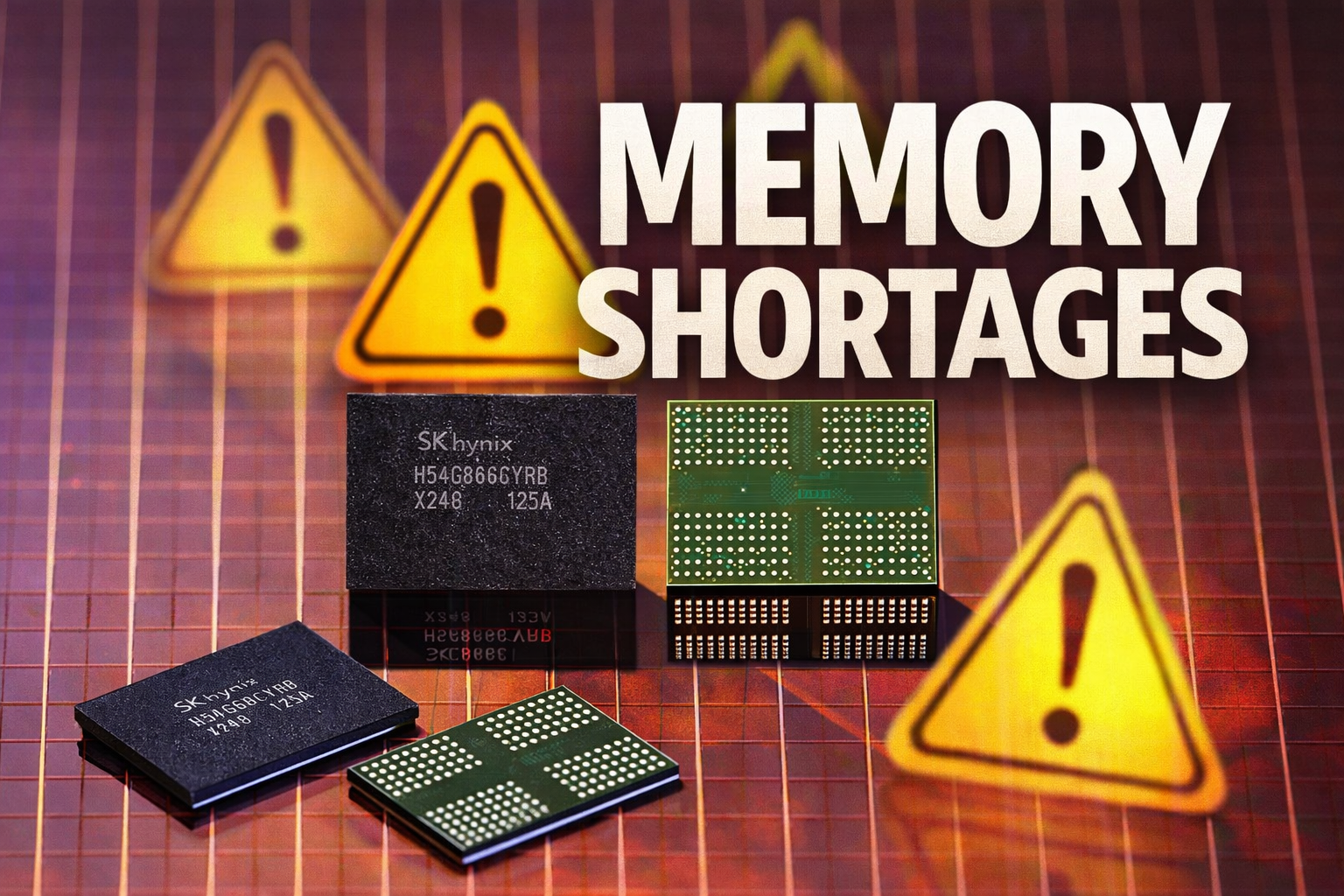
The memory market squeeze is no longer just a DRAM wafer story. The pressure has moved deeper into the supply chain, and the latest signals point straight at the back end of the pipeline where packaging, testing, and validation capacity can become the next hard bottleneck. According to a recent report from UDN report on packaging and testing pricing, Taiwan based memory packaging and testing companies including Powertech, Walton, and ChipMOS are preparing to raise prices by up to 30%, reinforcing the reality that the industry tightness is broad, structural, and still escalating.
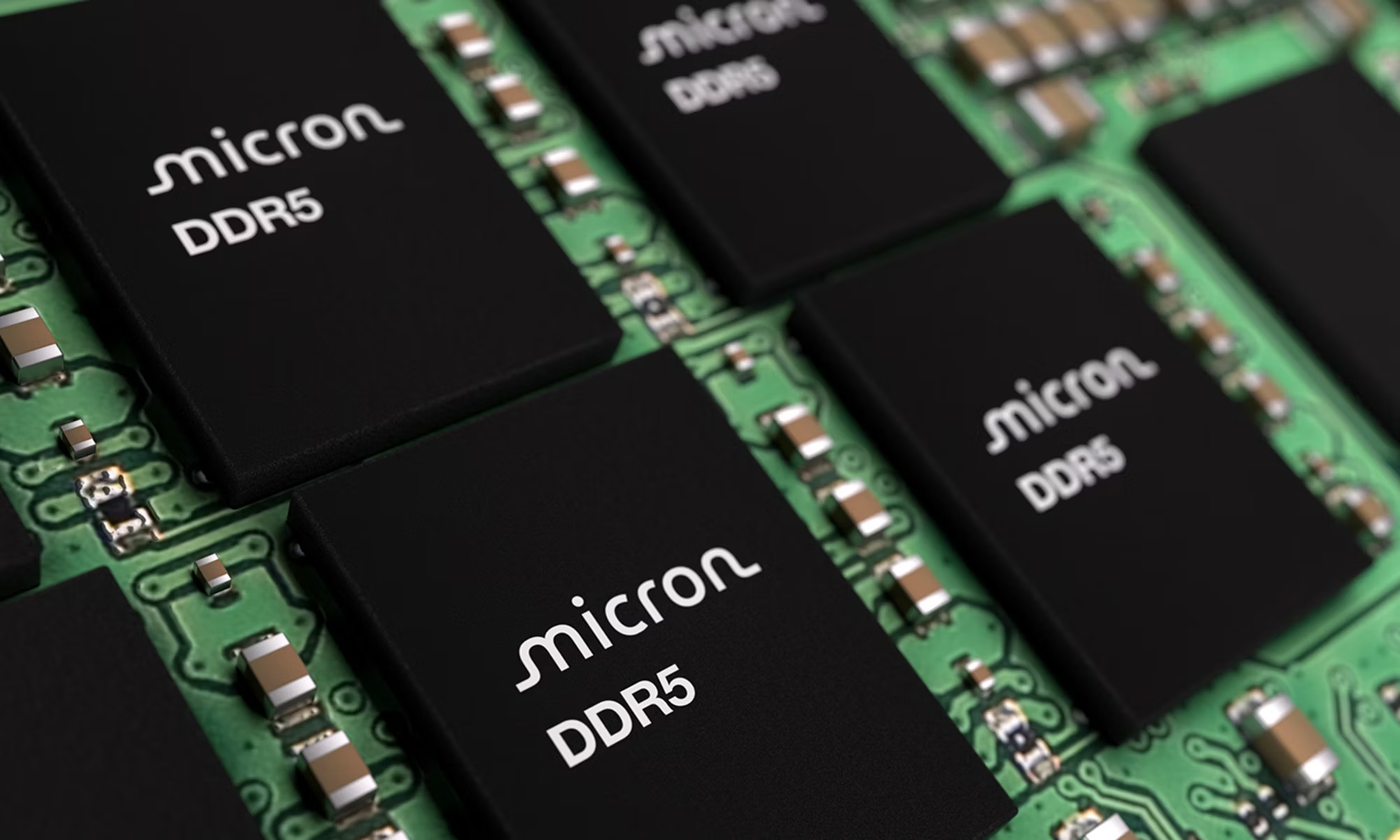
Powertech, Walton, and ChipMOS sit in a critical position between the memory makers and the finished products that ship into PCs, servers, and AI infrastructure. Samsung, SK hynix, and Micron manufacture the DRAM dies used in DDR4, DDR5, and HBM, but the packaging and testing segment is where those dies are validated, qualified, and prepared for shipment to customers in a form that can be integrated into modules and systems. When utilization is high in this stage, pricing power shifts quickly, lead times stretch, and the cost impact can ripple outward to OEM builds, channel inventory, and ultimately consumer street prices.
The same UDN coverage highlights why demand has accelerated so sharply. Powertech is described as a key packaging and testing partner for Micron, while Walton is part of the Walsin Lihwa Group and reportedly handles orders tied to Winbond, also within the broader group structure. With strong shipments from Micron and Winbond, back end demand has surged, and other players in the ecosystem are also positioned to benefit, including Formosa Plastics for Nanya Technology related orders. A follow up UDN report adds more color on how capacity mix has shifted, using Powertech as an example of a company taking on more higher value packaging and testing work as Micron adjusts internal capacity allocation, including higher end memory categories such as Mobile Graphics and DDR5.
What makes this development especially important for the 2026 outlook is the compounding effect. These back end providers are responding to a surge of orders that is increasingly linked to AI customers, and the current 30% pricing move is already being framed as the start rather than the peak. With a second wave of hikes reportedly being planned, the market is effectively being told to prepare for sustained higher memory related costs throughout 2026, even before you factor in the usual seasonal swings and platform transitions that already strain supply. This aligns with the broader messaging that AI demand is not a short spike but a durable pull on capacity, a point echoed in a Micron interview published by Wccftech Micron interview on shortages, which suggests conditions may remain difficult rather than quickly normalizing.
The Taiwan angle matters here because it concentrates strategic capacity. Powertech, ChipMOS, and Walton are all based in Taiwan and serve major international memory manufacturers, which means changes in their pricing and utilization can hit global supply lanes fast. The report also notes that it is not only Taiwan. China based East China, which focuses on niche memory packaging and testing, has also seen above normal demand with a significantly improved utilization rate. In a market where every percentage point of utilization matters, that kind of broad uplift signals that the constraint is systemic, not localized.
The industry narrative being repeated across memory vendors is that this is a super cycle driven by unprecedented AI demand, with expectations that it could last several years, potentially through 2028. If that is the direction of travel, the key risk for gamers and PC builders is simple: higher costs do not stay contained to memory alone. The PC stack is an interconnected bill of materials. When memory, substrates, and data center adjacent materials and capacity get prioritized toward AI, the secondary effects can show up in other components, logistics, and channel pricing behavior. A distributor letter referenced by VideoCardz report on potential price increases underscores that the next pricing shock could land in categories that consumers often assume are insulated, such as power supplies and CPU coolers, particularly if materials and supply lanes remain under stress.
For 2026, the practical takeaway is that the memory pipeline is tightening from multiple angles at once. When packaging and testing firms begin exercising pricing power with 30% moves and signal more increases ahead, the market is effectively shifting into a higher cost equilibrium. For system integrators, OEMs, and enthusiasts, this is a strong indicator that waiting for quick relief may be a losing strategy, and that procurement planning, validation scheduling, and inventory discipline will matter more than ever.
What is your strategy for 2026 if memory and even PC cooling and PSU pricing keeps climbing, are you locking in upgrades early or waiting for the next supply wave to stabilize?
