
Lisuan Debuts Lisuan Extreme Gaming GPU and LX Pro AI Cards in China With 7G106 Silicon
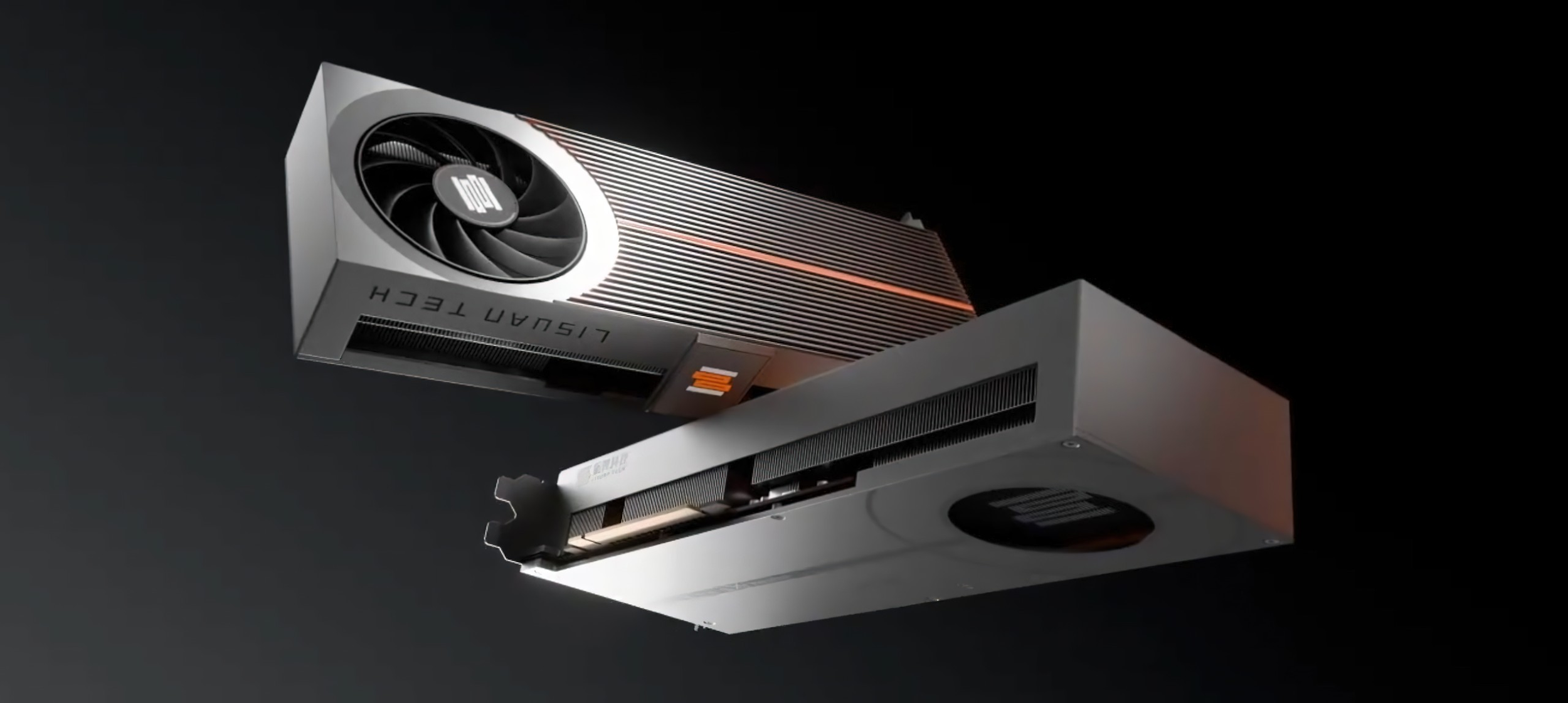
LisuanTech has officially introduced its new Lisuan Extreme gaming graphics card alongside the LX series for professional and AI focused workloads in China, marking the company’s first real commercial push around its 7G106 GPU. The launch has been covered by multiple outlets, while LisuanTech’s own site now highlights the company’s Lisuan eXtreme GPU family as part of its broader TrueGPU roadmap.
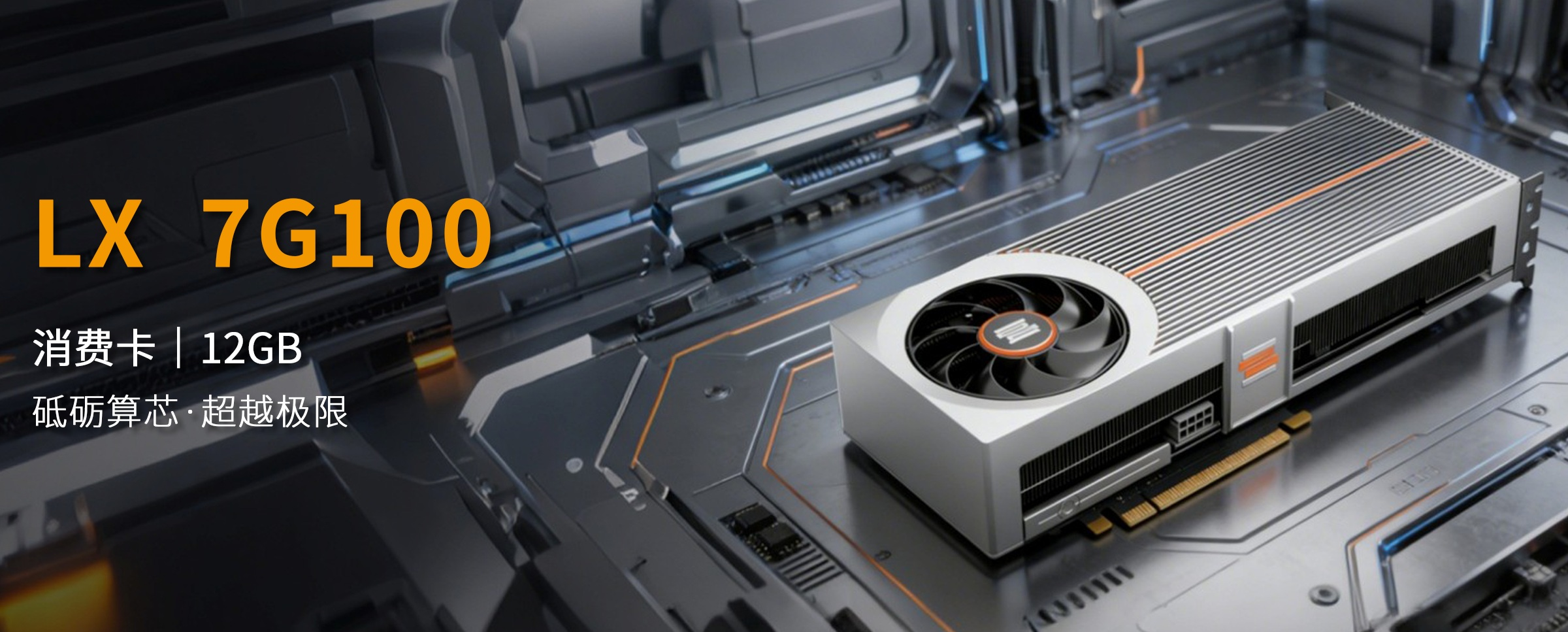
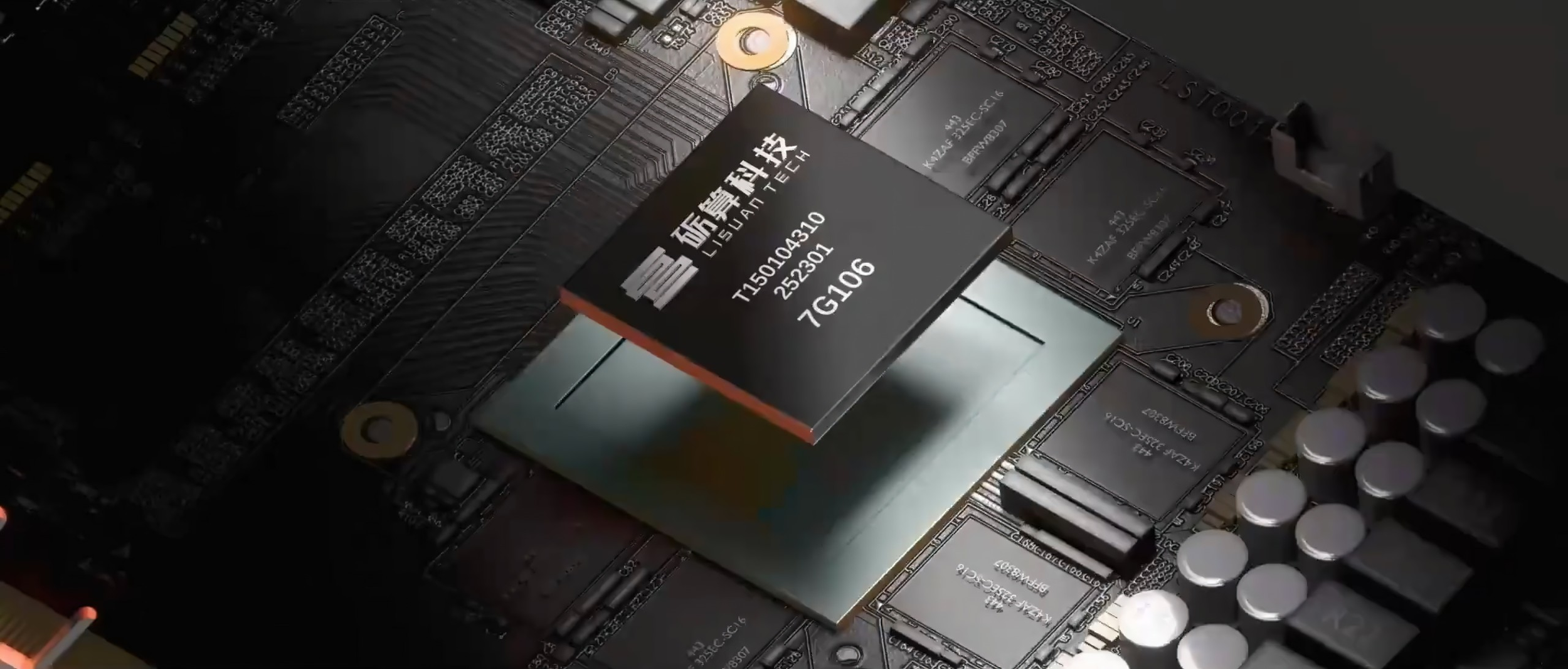
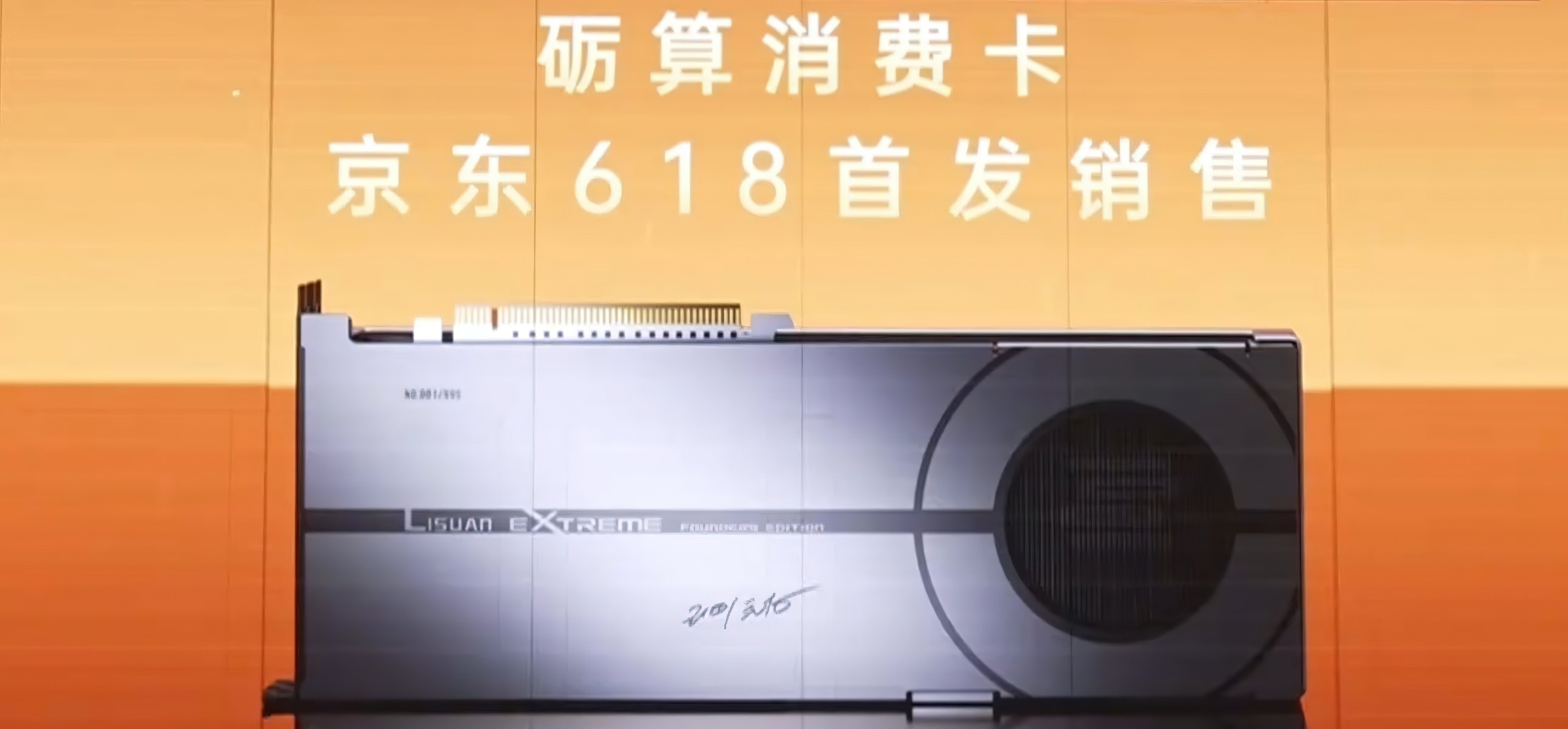
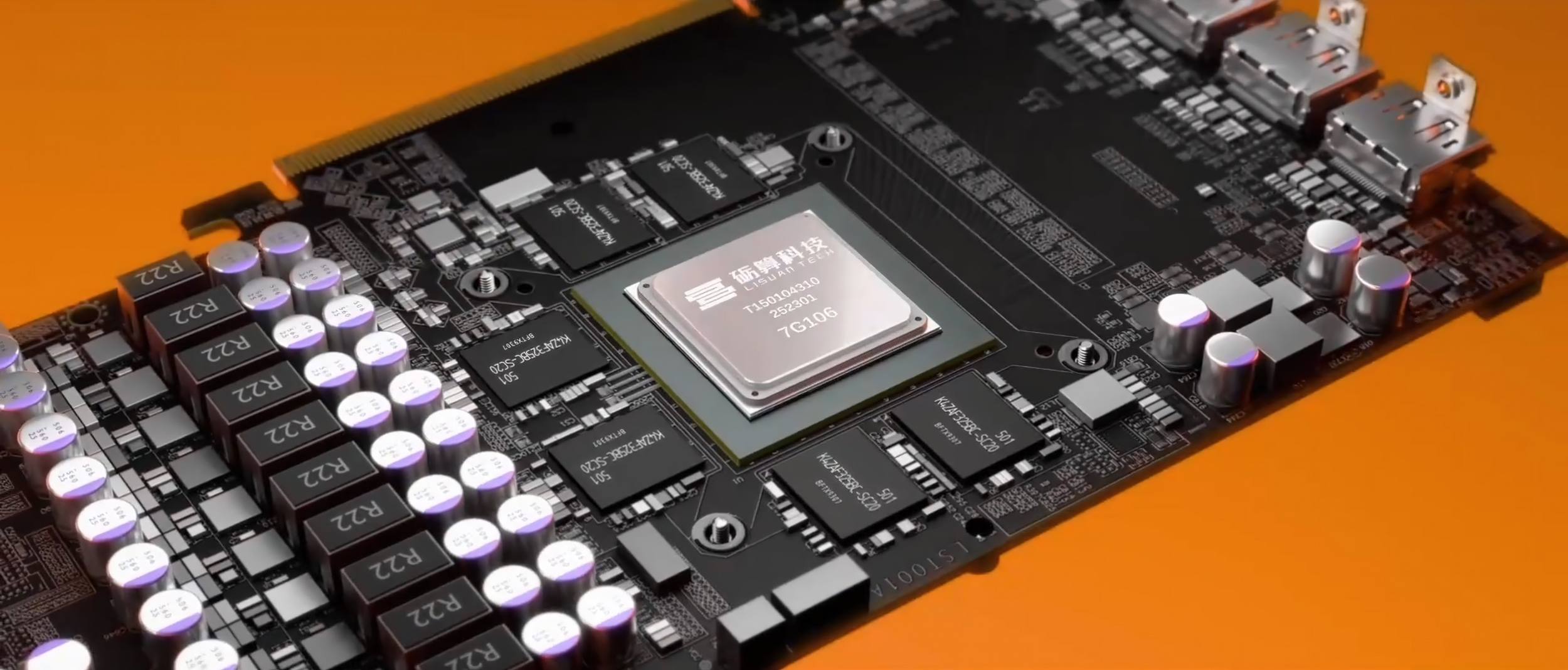
The gaming side of the launch is centered on the Lisuan Extreme LX 7G100, a consumer card built on a 6nm 7G106 GPU with 12GB of GDDR6 memory on a 192 bit bus, PCIe 4.0 x16, 192 TMUs, 96 ROPs, and a rated board power of up to 225W supplied through a single 8 pin connector. Reports on the launch also describe a Founders Edition style variant and a planned June 18 retail debut in China.
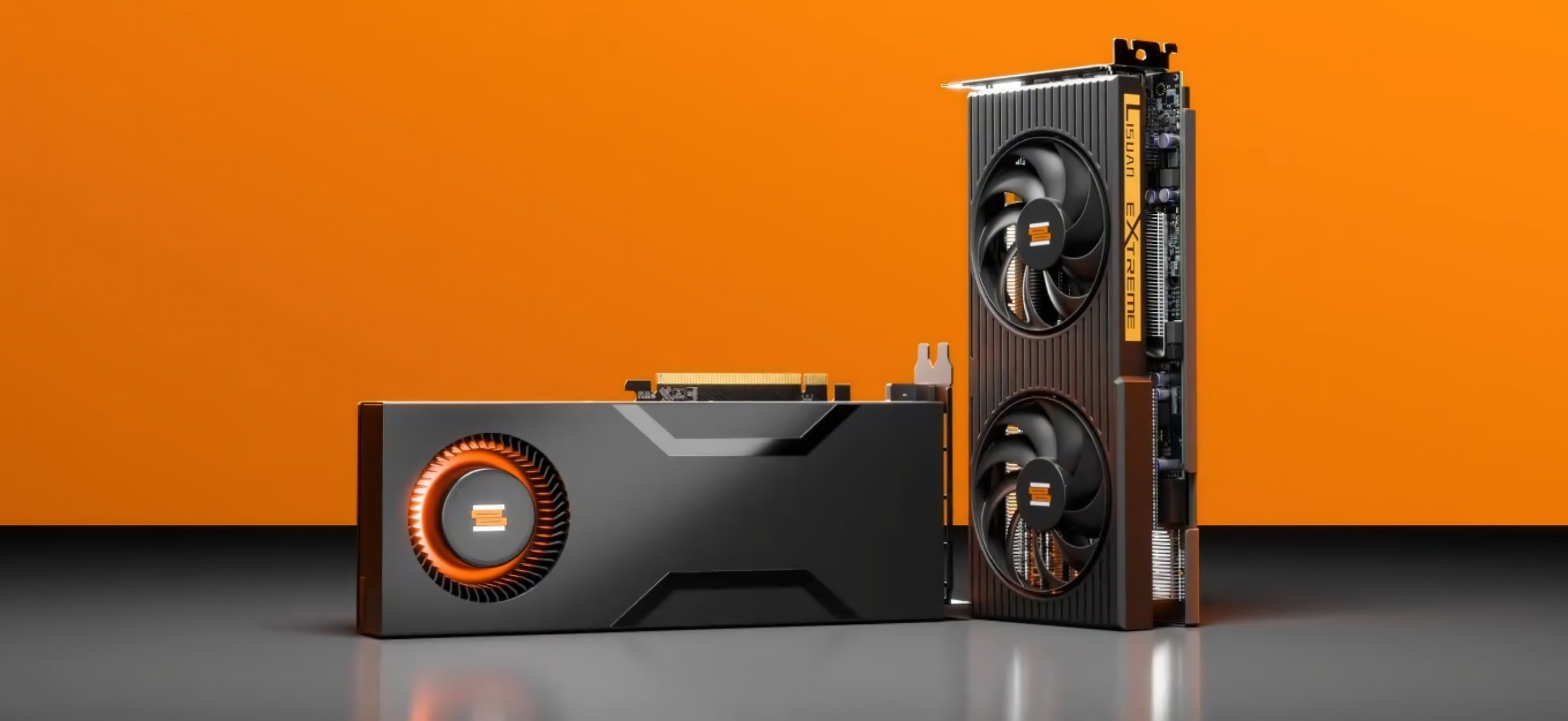
From a design standpoint, the Lisuan Extreme card is described as a triple slot, triple fan product with 4 DisplayPort 1.4a outputs. Coverage of the announcement says it supports output up to 8K at 60Hz HDR, while media features include AV1 4K at 30 FPS encode, HEVC 8K at 30 FPS encode, and AV1 and HEVC 8K at 60 FPS decode. On the software side, the card is said to support DirectX 12, Vulkan 1.3, OpenGL 4.6, and OpenCL 3.0, which is a meaningful point for a domestic Chinese GPU vendor trying to present itself as ready for modern PC gaming rather than only specialized local workloads.
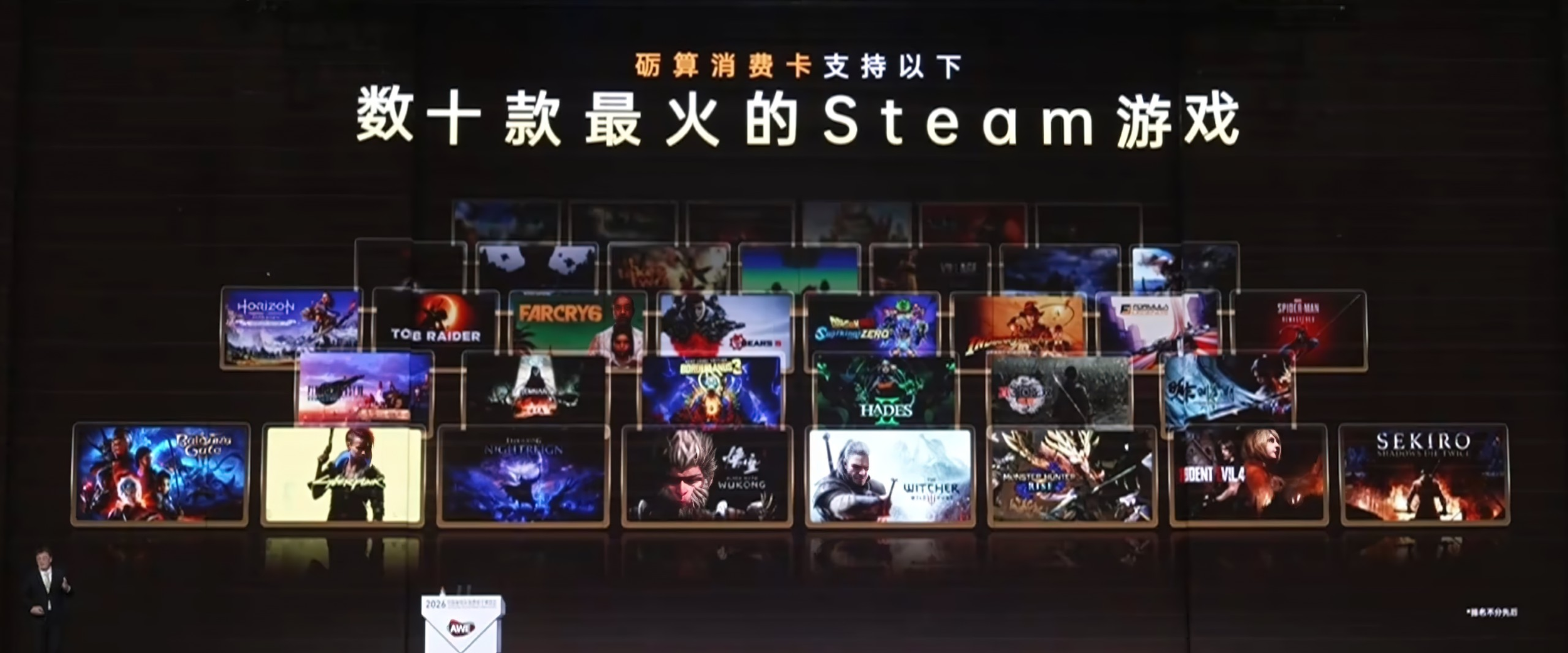
Lisuan is also leaning hard into game compatibility. Reporting on the launch says the company is advertising out of box support for modern AAA titles including Baldur’s Gate 3, Cyberpunk 2077, Elden Ring, Black Myth: Wukong, The Witcher 3, Monster Hunter Rise, Resident Evil 4, and Sekiro. That does not automatically tell us how competitive performance will be against AMD, NVIDIA, or Intel across the board, because Lisuan has not publicly provided the kind of broad benchmark stack enthusiasts would usually want. But it does show where the company wants this card to land in perception: as a real gaming product, not just a patriotic proof of concept.
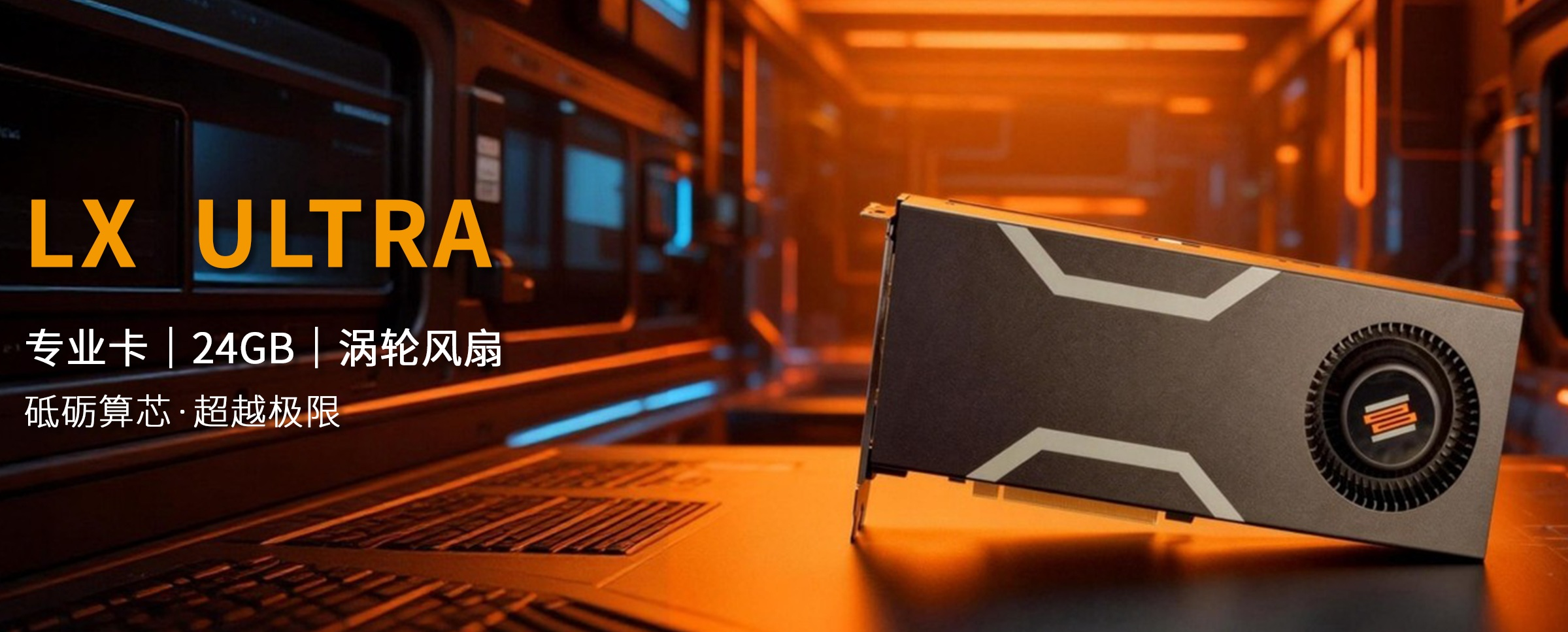
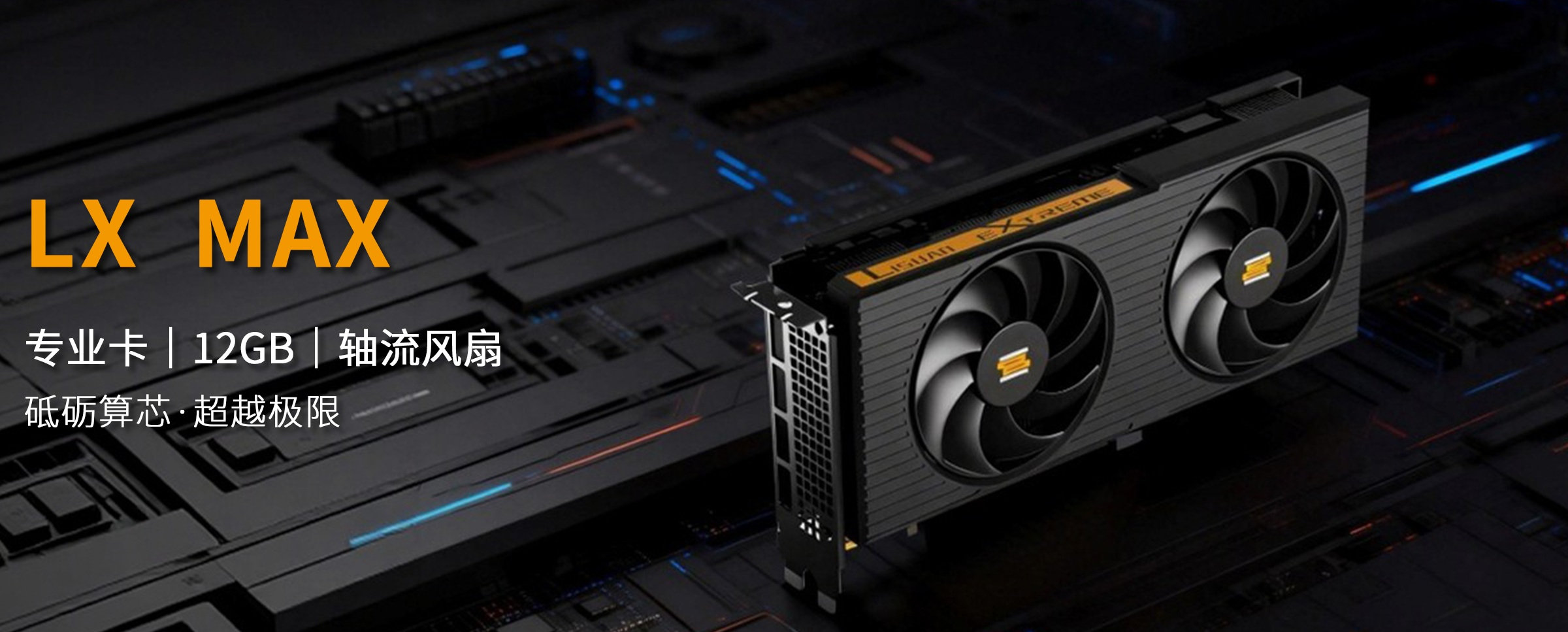
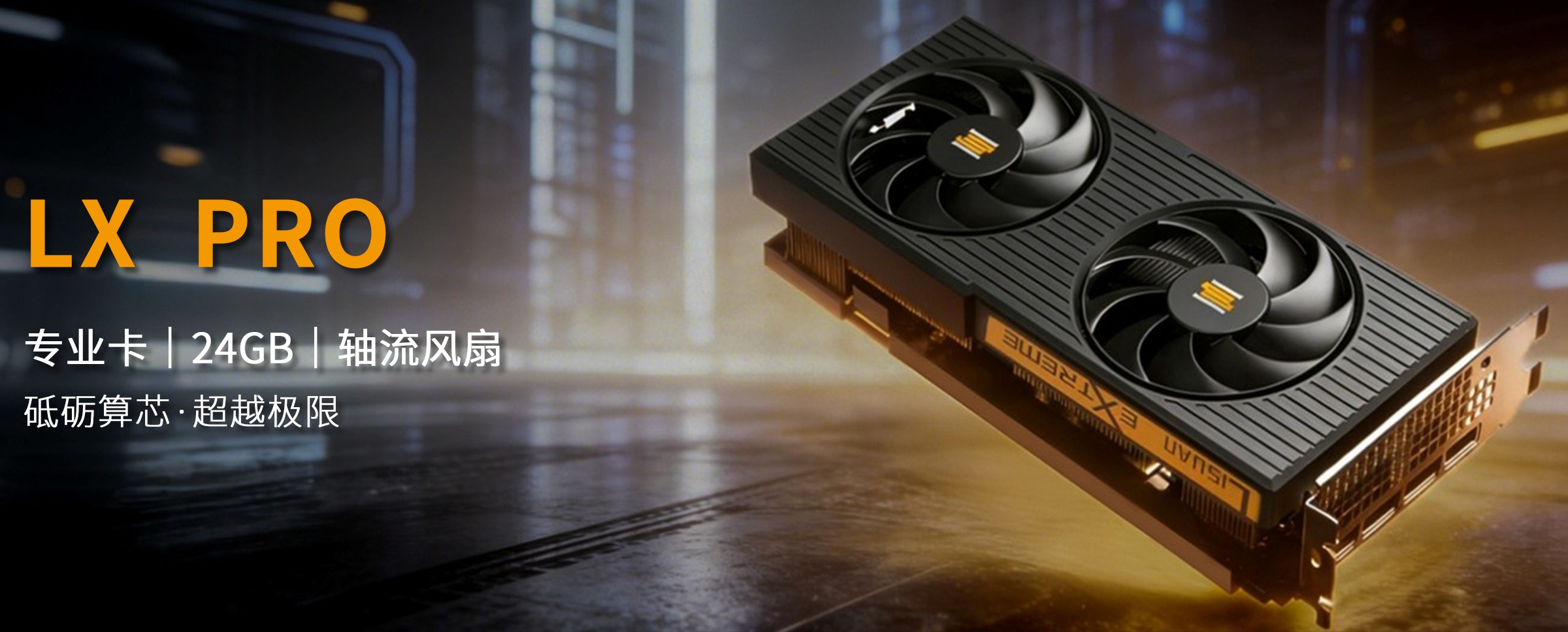
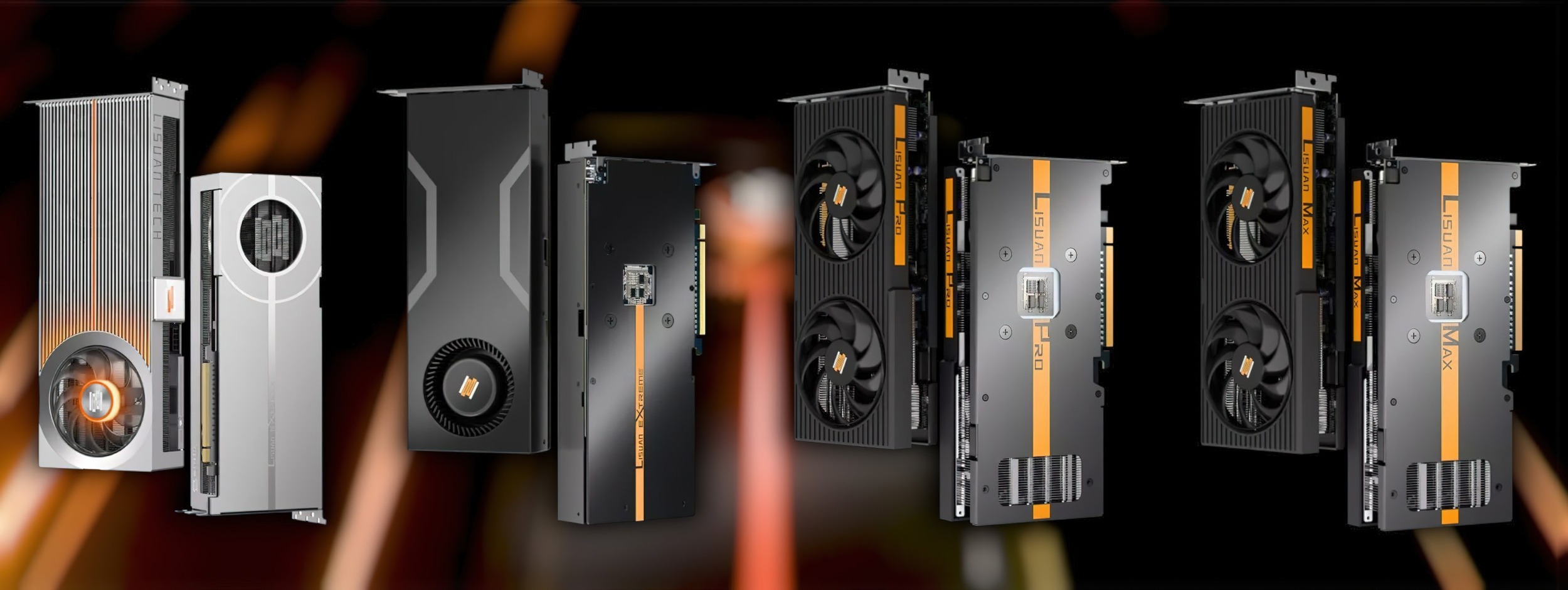
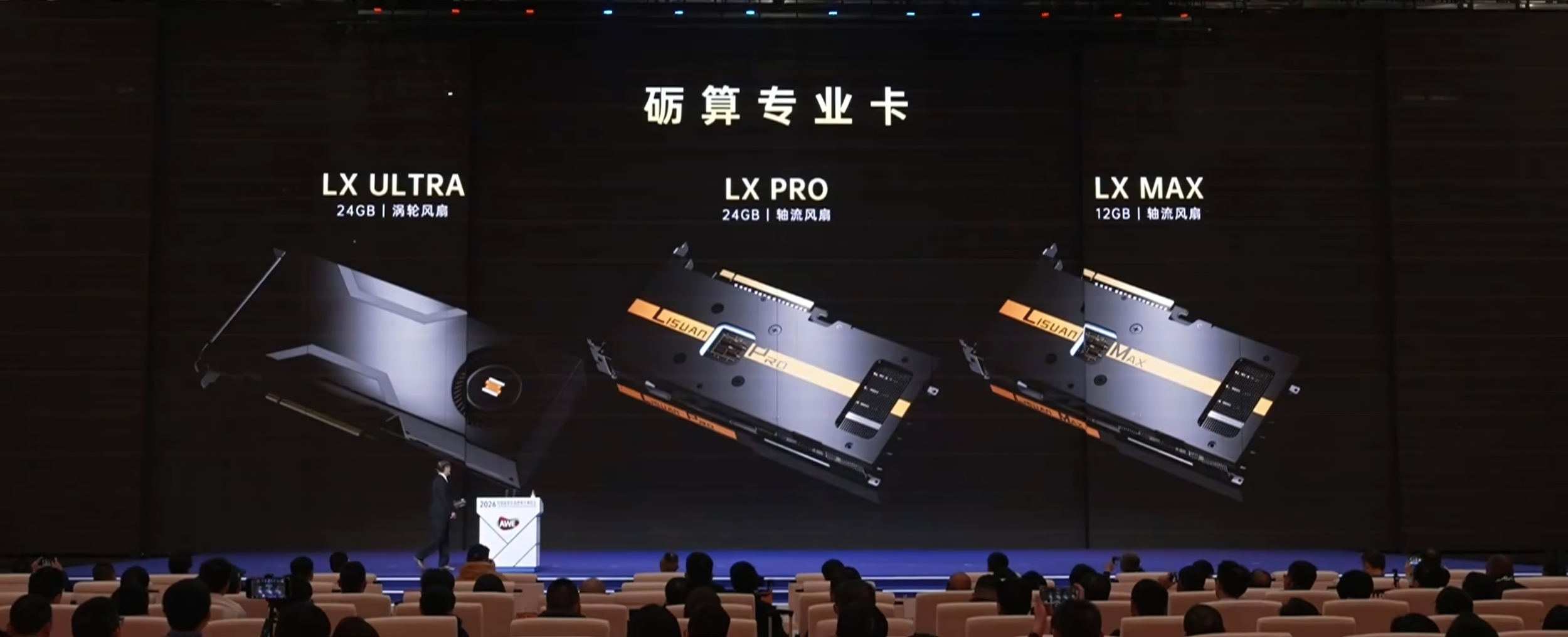
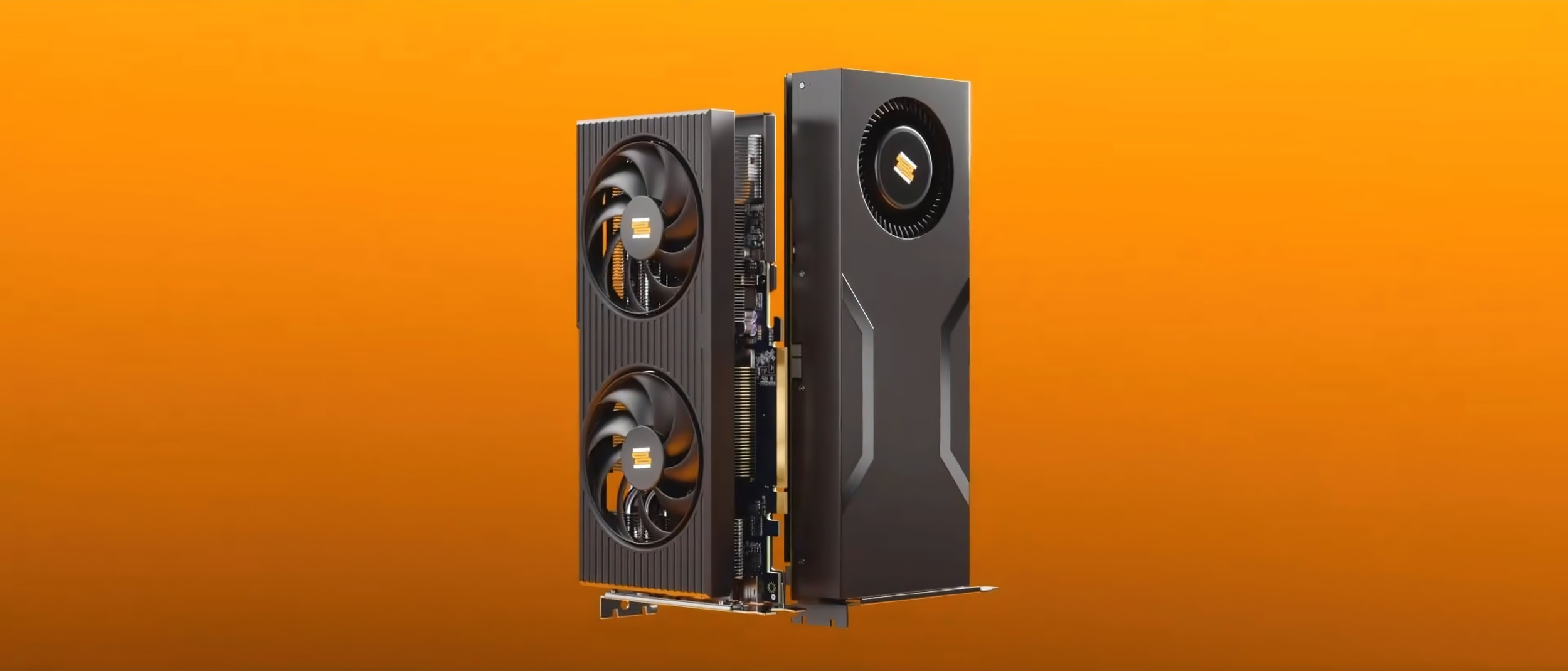
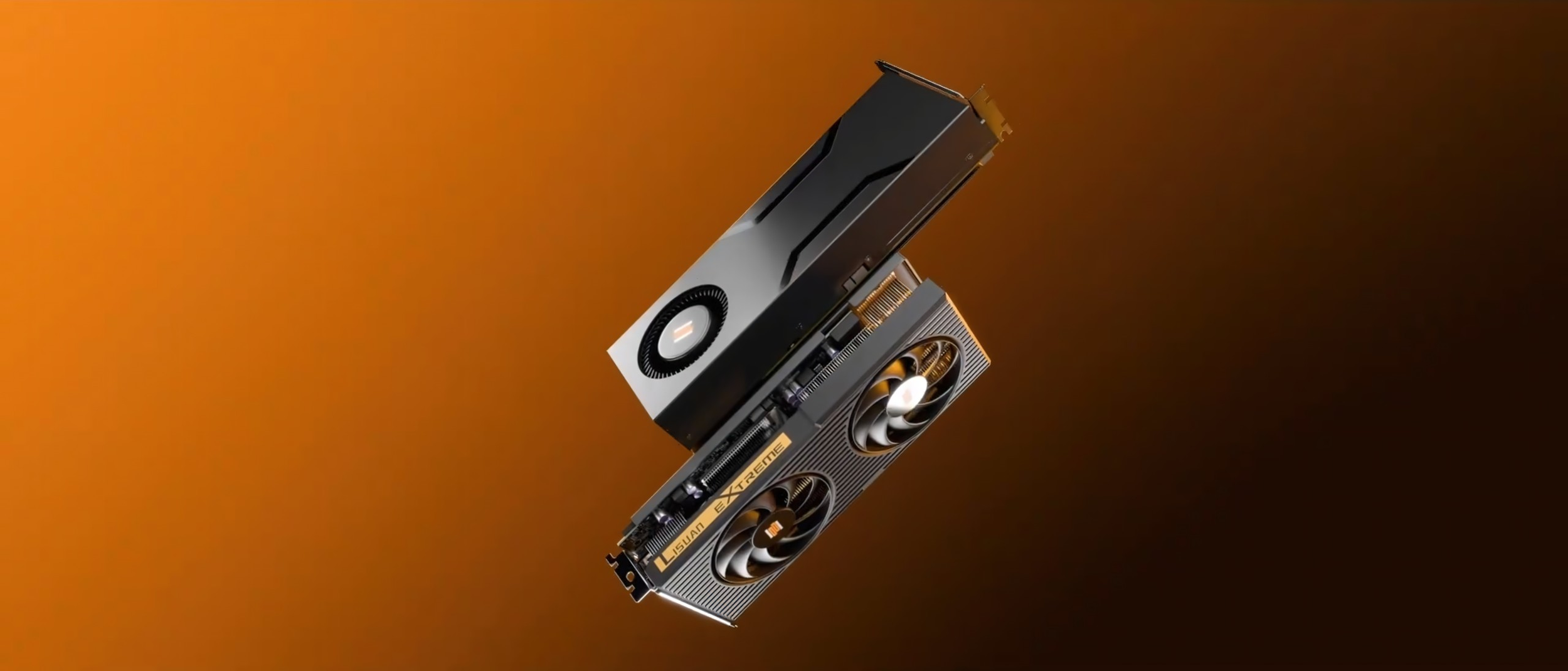
Alongside the gaming card, Lisuan has unveiled its LX lineup for workstation, prosumer, and AI related use. Current reporting describes 3 variants: LX Ultra, LX Pro, and LX Max. The LX Ultra is positioned as the flagship with 24GB of VRAM and a blower style cooler, making it more suitable for denser workstation or server style deployment. The LX Pro also carries 24GB of VRAM but uses a more conventional dual axial fan layout, while the LX Max is the lower tier option with 12GB of VRAM and a similar dual fan design.
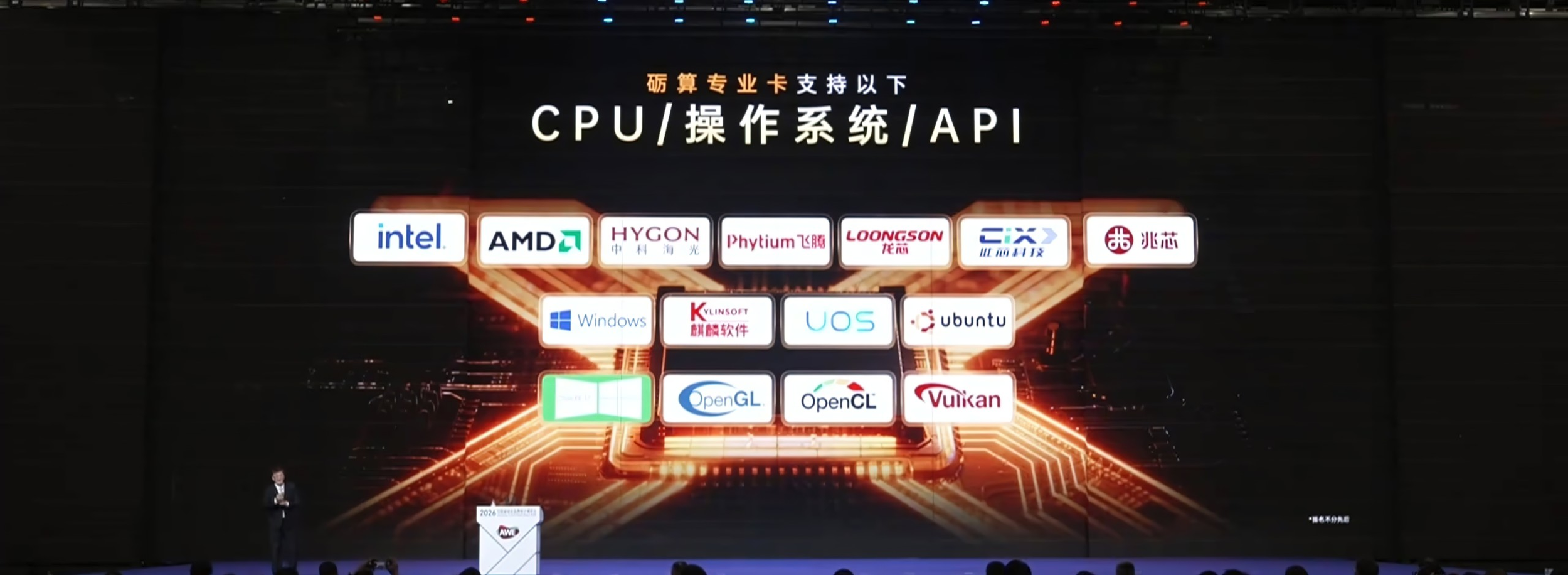
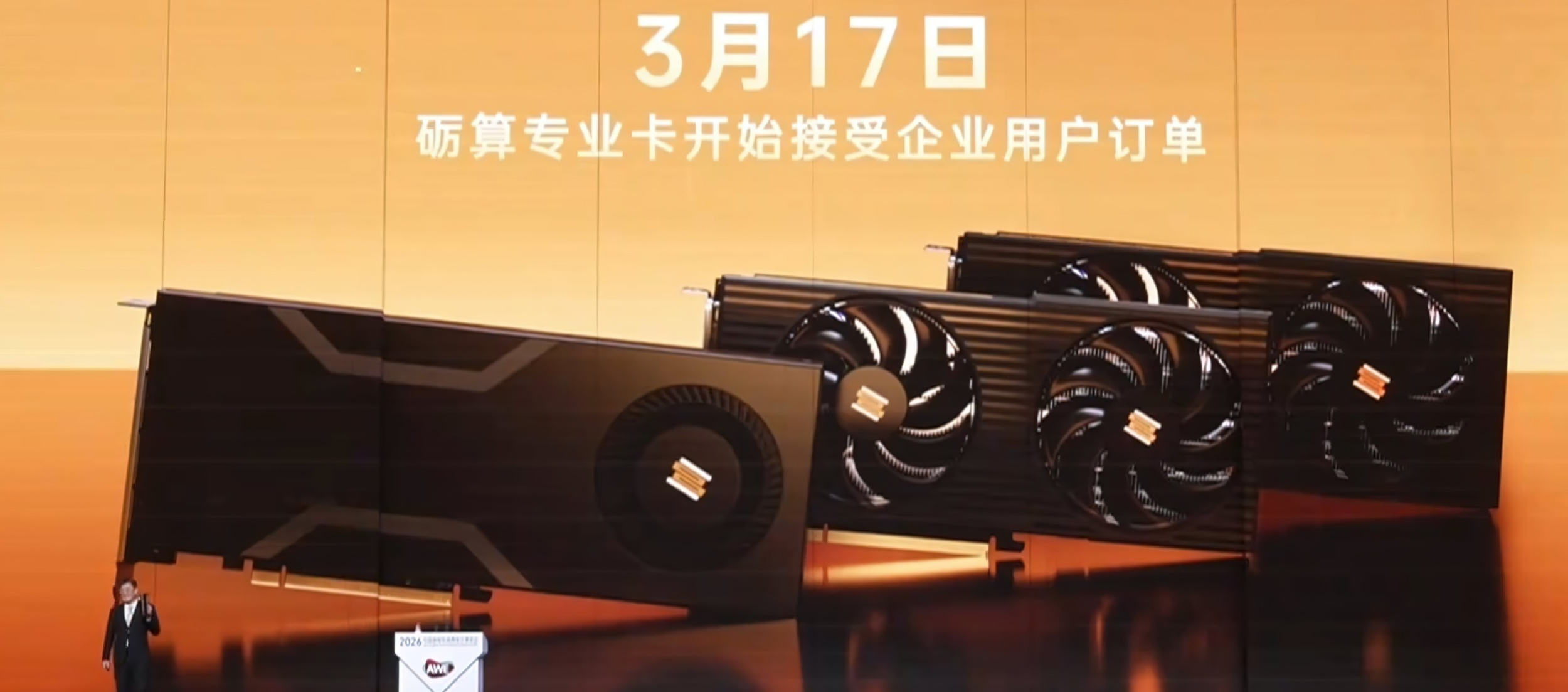
Compatibility is another area Lisuan is clearly emphasizing. Reports say the LX series is being positioned to work with CPUs from Intel, AMD, Hygon, Loongson, Phytium, and Zhaoxin, with operating system support including Windows, UOS, Ubuntu, and Kylin. That is commercially significant in China because it aligns the cards not only with mainstream x86 platforms, but also with several domestic processor and software ecosystems that matter for state aligned, enterprise, and localization driven deployments. Pre orders for the LX series are also reported to begin on March 17.
There is also a bigger strategic angle here. LisuanTech’s official site now openly describes its GPU effort as a domestically developed “rendering and inference integrated GPU” platform and highlights the Lisuan eXtreme family as part of China’s push to build more self controlled graphics and AI hardware. Separately, Lisuan’s technology page points to in house features such as super resolution style upscaling and virtualization support on 7G106, suggesting the company is trying to build a more complete platform story instead of competing on silicon alone.
That said, the real test starts now. Announcing products is one thing. Delivering stable drivers, broad game compatibility, consistent real world performance, and reliable supply is another. China has been pushing for stronger domestic GPU alternatives for years, but the market has historically been unforgiving when software maturity or developer support lags behind the hardware message. Lisuan’s new launch looks like one of the more serious attempts yet to break through that ceiling, especially because it is targeting both gaming and AI workstation segments at the same time. This last point is an inference based on the product positioning and compatibility claims in launch coverage and on LisuanTech’s official platform messaging.
For now, the headline is clear: Lisuan is no longer talking only about prototypes. It now has named gaming and pro cards, a stated retail window for the consumer model, and a clearer commercial identity around the 7G106. Whether that turns into a real challenger in the broader GPU conversation will depend on what happens after launch day.
What do you think, could Lisuan’s new 7G106 based cards become a meaningful step forward for China’s domestic GPU market, or is the software and ecosystem gap still too wide to close quickly?
