
Laid Off Highguard Devs Blame Leadership Hubris as Report Details Testing Gaps
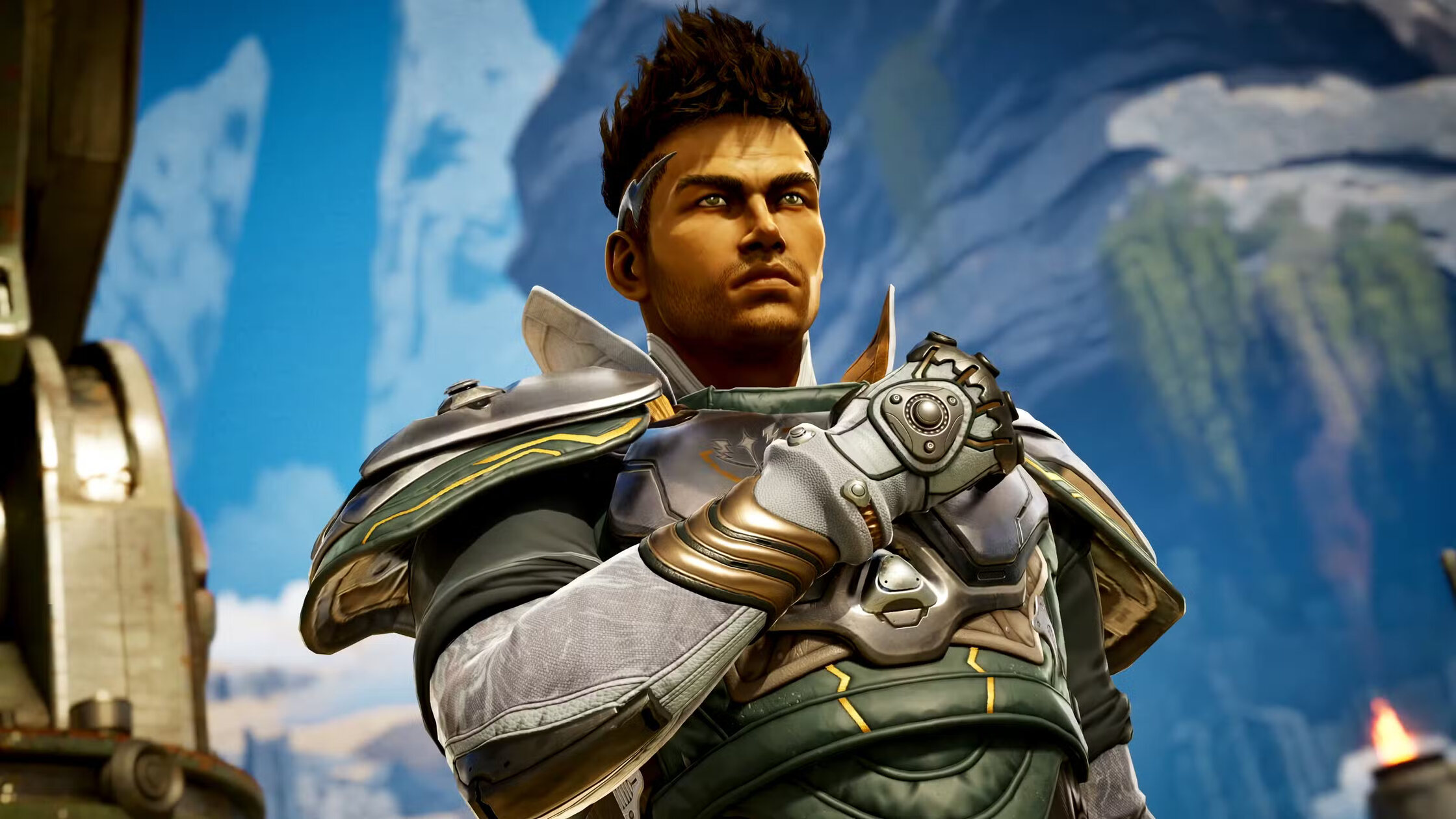
Highguard, the free to play shooter from Wildlight Entertainment, is shaping up to be one of the most visible cautionary tales of 2026 so far, not because the game launched to zero interest, but because it launched with momentum and then collapsed fast enough to trigger mass layoffs within 2 weeks. In a new report from Jason Schreier at Bloomberg, multiple former developers describe a failure driven less by a single fatal flaw and more by leadership overconfidence, a production process that did not mirror real player conditions, and a funding model that had no patience for a shaky debut.
The core theme in the report is hubris. Developers told Schreier that leadership believed it could recreate the lightning in a bottle success of Apex Legends, specifically the idea that secrecy and a surprise style debut could generate instant cultural dominance. Highguard was revealed at The Game Awards 2025 and launched on January 26, 2026, and while it reportedly hit a peak of about 97000 concurrent players on Steam, the retention curve did not hold. Player sentiment turned quickly, user reviews became increasingly negative, and the game struggled to sustain the critical mass that any live service economy needs to survive.
Schreier’s reporting also points to a meaningful testing gap that helped distort internal confidence. During external tests, when players had their microphones turned off, the game reportedly felt drastically worse because Highguard has a lot of systems to learn and coordination is part of the loop. In practice, removing voice communication can transform a team shooter from manageable to confusing, especially for first time players. On top of that, having Wildlight staff in the session to guide confused testers may have produced results that looked healthier than what a real launch environment would deliver, where players are left to figure things out with no developer safety net. That mismatch is the kind of operational blind spot that can slip through when a studio is optimizing for surprise impact over long runway community learning.
The business side of the story is just as brutal. The report says Tencent was the main source of funding for the studio, and funding was cut after Highguard failed to meet launch expectations. Once the money stopped, the studio moved fast, laying off most of the team roughly 2 weeks after launch. Schreier reports that fewer than 20 people remain at Wildlight trying to salvage the shooter, which effectively places the game into a constrained recovery scenario where every update has to fight uphill against shrinking attention and limited development capacity.
A comeback is not impossible, but it requires more than optimism. Live service recoveries usually demand 3 things at once: a clear redesign priority list that fixes onboarding and core loops, a cadence of meaningful content updates that rebuild trust, and enough marketing oxygen to reintroduce the game to players who already wrote it off. Trying to do that with fewer than 20 developers is a high difficulty challenge, and the deeper lesson is that betting your future on a miracle turnaround can become its own form of hubris.
If you were in charge of saving Highguard today, would you prioritize a full relaunch with major redesigns, or a slower rebuild with frequent smaller updates that focus on onboarding, clarity, and retention first?
