
Konami Wants Silent Hill to Become a Yearly Franchise, With a New Entry Targeted for 2026 and Beyond
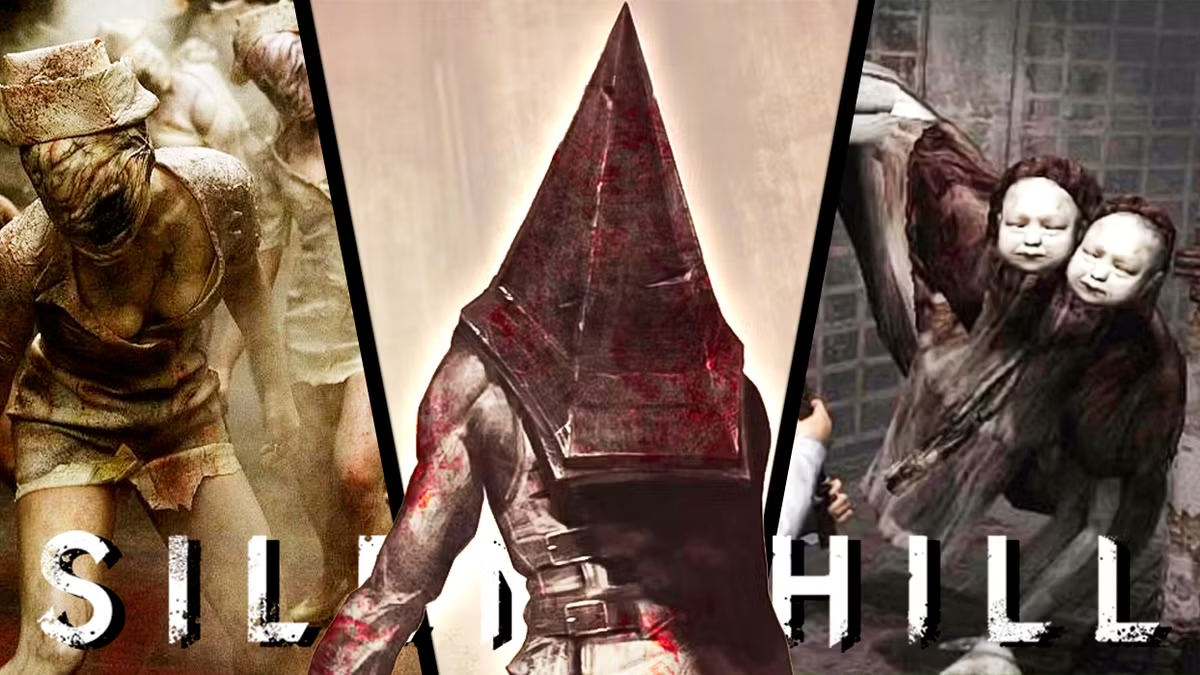
Konami is signaling a major strategic shift for Silent Hill, moving from a long dormant cadence to a steady release rhythm designed to keep the franchise constantly in the public conversation. In an end of year feature published by Famitsu, Silent Hill series producer Motoi Okamoto said the team wants to aim for roughly 1 Silent Hill title per year, including both already announced and still unannounced projects, while acknowledging it is an ambitious target and not something he can fully guarantee.
From a market positioning standpoint, this is a clear intent to turn Silent Hill into a recurring premium horror pipeline rather than a rare event release. For players, that means more frequent touchpoints, more chances for different styles of horror experiences, and a higher likelihood that Silent Hill stays visible across storefronts, showcases, and streaming culture. For Konami, it is a momentum play that leverages the franchise resurgence while the horror segment remains highly engagement driven and content creator friendly.
The upside is obvious: a predictable cadence helps partners plan, keeps community hype loops active, and reduces the risk of the series fading into long gaps where mindshare gets reclaimed by competitors. The tradeoff is equally real: horror fans are unusually sensitive to quality dips, and an annual target can become a brand liability if any entry ships undercooked. Okamoto’s wording matters here, because he frames it as a goal and a best effort, not a hard mandate. That nuance suggests Konami wants the benefits of an ongoing release drumbeat without locking the series into a rigid assembly line that would compromise creative direction or polish.
From a gamer and reviewer lens, the key question is execution. Silent Hill works best when each title has a distinct identity, strong art direction, and confident pacing. If Konami uses a portfolio approach, mixing different types of Silent Hill experiences across years, it can keep the buzz alive while avoiding creative fatigue. If the company chases a strict yearly cycle at any cost, it risks repeating the industry pattern where cadence beats craftsmanship.
For now, what is confirmed is the intent: keep Silent Hill visible and active, and aim for a release pace of about 1 game per year as an aspirational target.
Do you want Silent Hill to become a yearly franchise, or should Konami keep releases less frequent to protect quality and identity?
