
Intel Arc Driver 32.0.101.8425 and 32.0.101.8362 Goes Live With XeSS 3 Multi Frame Generation
Intel has rolled out a new Arc Graphics Windows driver that officially brings XeSS 3 Multi Frame Generation to the public, positioning it as a major smoothness focused upgrade for Arc users who want higher perceived frame rates when a game struggles to hit a comfortable baseline. The new package, driver version 32.0.101.8425 and 32.0.101.8362, is available now via Intel’s official download page, and it is framed as a launch driver for Panther Lake systems featuring Xe3 based integrated graphics, including Arc B370 and Arc B390.
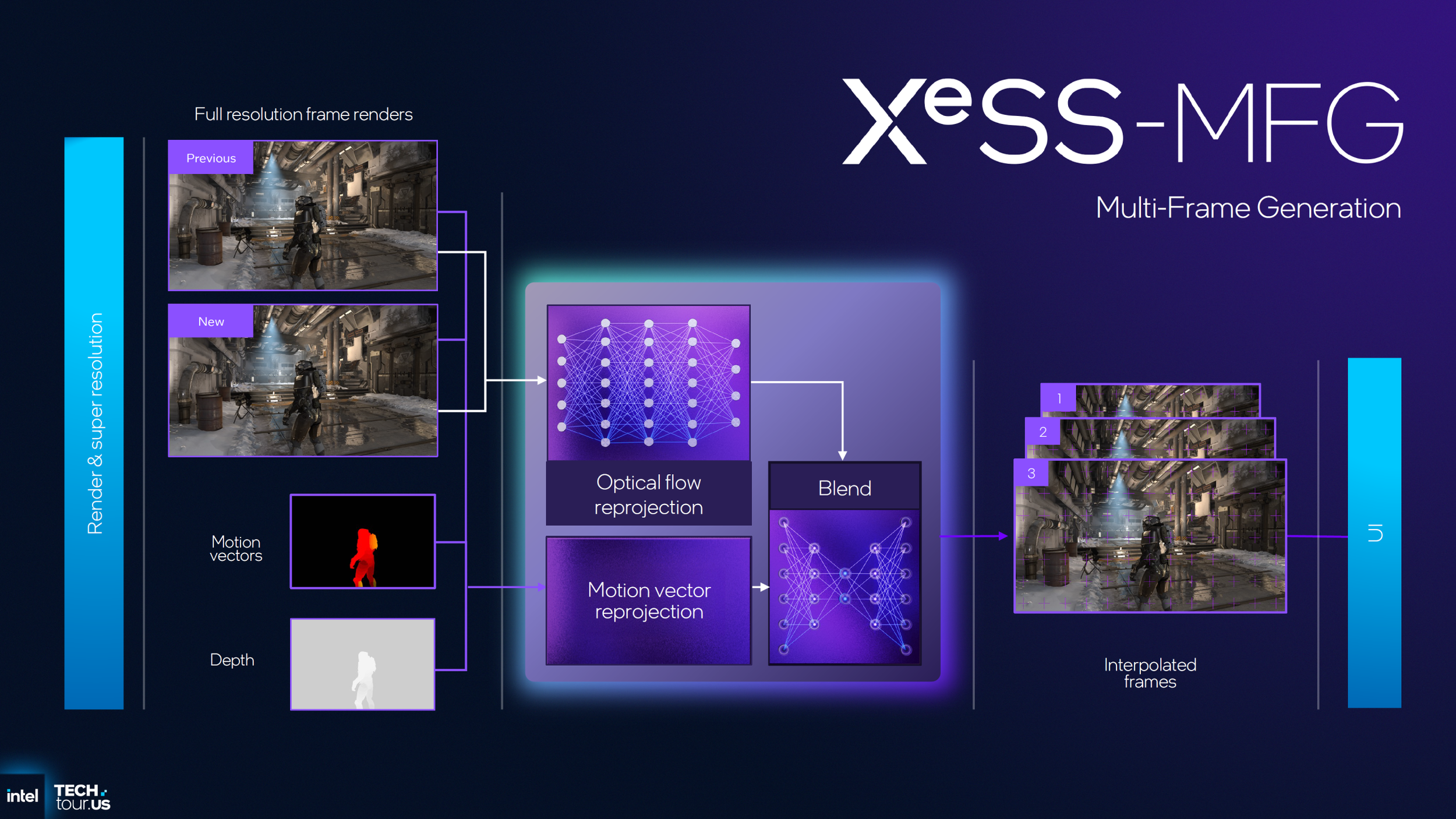
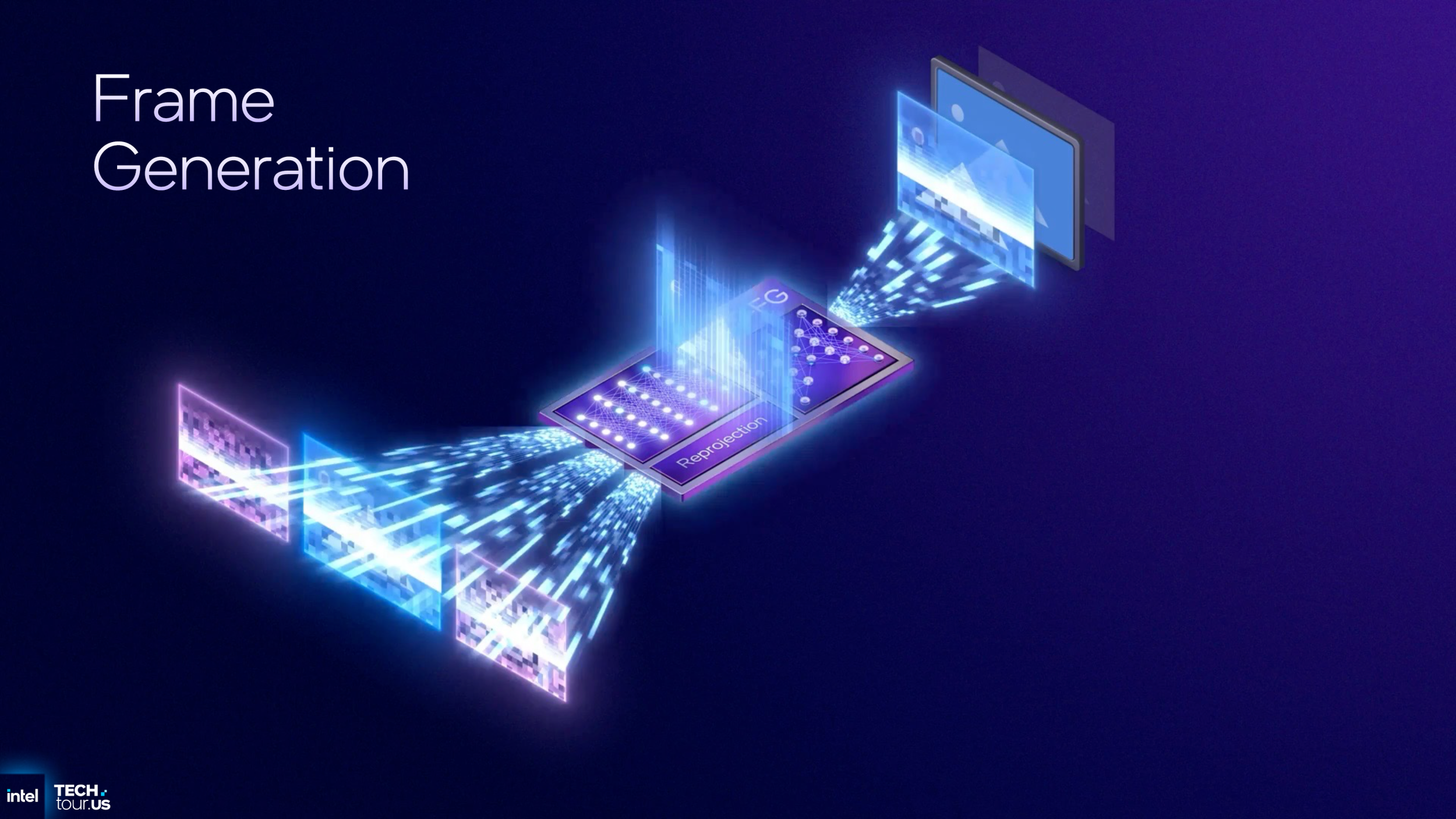
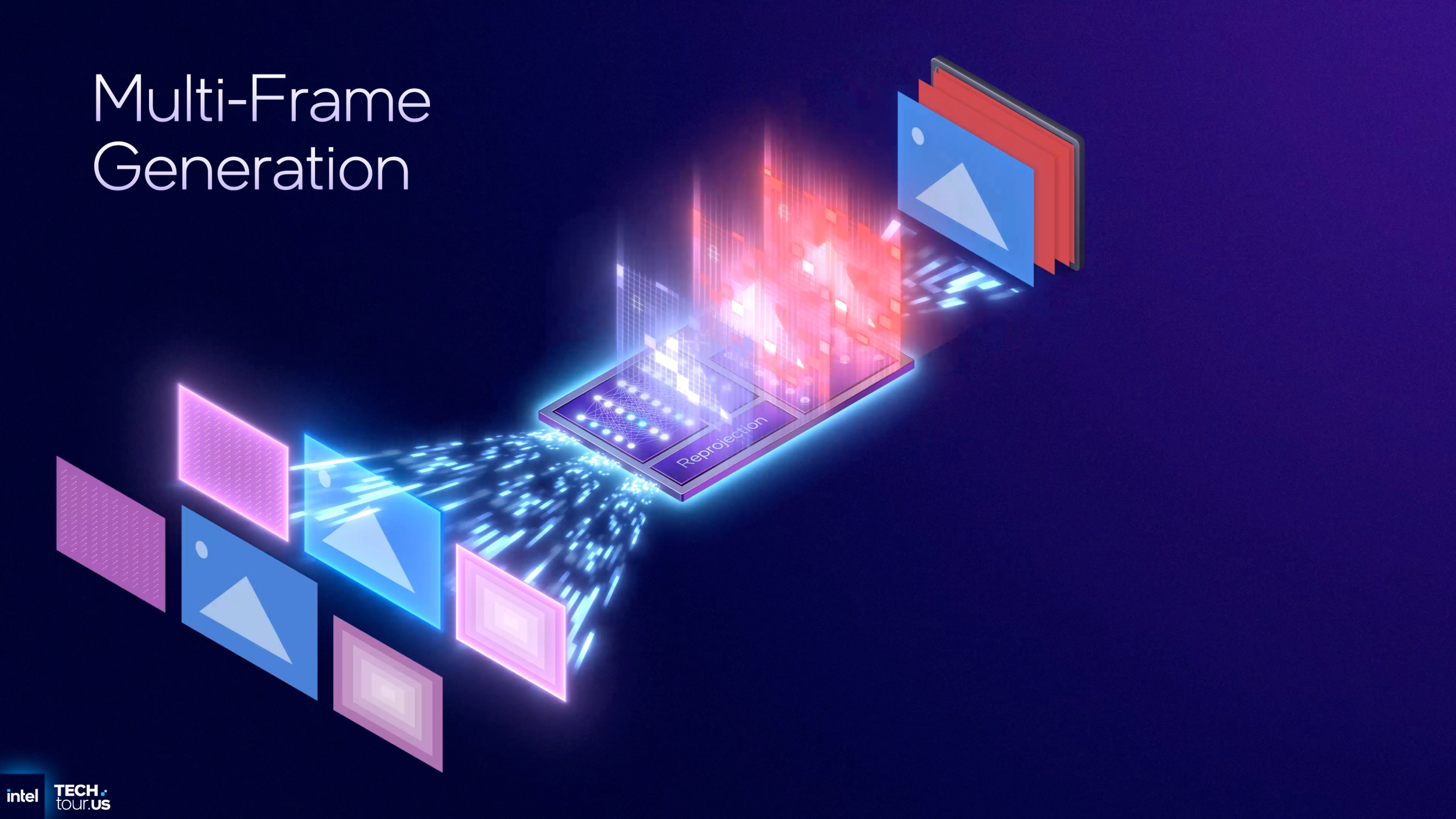
The big headline is XeSS 3 Multi Frame Generation, also referred to as MFG. Intel’s approach builds on the XeSS Frame Generation foundation that already exists, but it changes the cadence of inserted frames in a way that is designed to push motion fluidity much higher when GPU rendering throughput is the limiter. In typical frame generation implementations, 1 synthesized frame is inserted between 2 rendered frames. With XeSS 3 MFG, Intel says the system can insert 3 synthesized frames between every 2 rendered frames. The net result is that in low to mid FPS scenarios, the output frame rate presented to the display can climb dramatically, which can make camera motion and fast panning feel significantly smoother.
That said, this is still synthetic frame creation, and it comes with tradeoffs that every gamer should evaluate with a clear lens. Multi frame generation can introduce ghosting, artifacts, and occasional instability depending on the scene, the game engine, and how motion vectors behave in complex effects. Since this is the early stage of Intel’s XeSS 3 MFG rollout, the real world experience will likely vary from title to title, especially in situations with heavy particles, fast moving foliage, dense post processing, or UI elements that can expose reconstruction issues. The value proposition is not native quality, it is higher perceived smoothness, and the smartest way to look at it is as a performance multiplier you enable when responsiveness and fluid motion matter more than perfect frame integrity.
Where Intel is attempting to create a competitive wedge is hardware reach. Intel indicates Multi Frame Generation support is limited to Arc graphics, but that includes both discrete and integrated Arc GPUs across product families such as Alchemist and Battlemage, plus the newer Panther Lake class iGPU configurations like Arc B370 and Arc B390. In other words, the company is aiming for broader enablement across Arc equipped systems rather than restricting the feature to a single newest discrete generation.
Compatibility is another key lever. Intel states XeSS 3 MFG retains API backward compatibility so it can work with games that already support XeSS 2. That matters for adoption velocity, because it suggests a wider catalog can light up XeSS 3 MFG without developers needing to rebuild their integration from scratch. If that pipeline holds, the near term winner is the player, because the feature can reach real games faster, not just future releases.
From a gamer and reviewer perspective, the immediate questions to watch are practical and measurable: input latency behavior when using multi frame generation, the quality profile in motion heavy scenes, and whether Intel can iterate quickly through driver updates to reduce artifacting while maintaining the smoothness lift. If Intel nails those fundamentals, XeSS 3 MFG could become a meaningful reason to consider Arc hardware for value oriented rigs and handheld like form factors where every rendered frame is expensive.
What would make you actually enable XeSS 3 Multi Frame Generation in your own setup: higher perceived smoothness even with some artifacts, or would you rather stick to cleaner native frames and traditional upscaling only?
