
HP Responds to DRAM Shortages by Pitching a Monthly OMEN Laptop Rental Plan That You Never Own

HP is taking an unexpected route in its response to the ongoing DRAM shortage and the wider pricing pressure hitting the PC supply chain. Instead of trimming specs, pushing gamers toward lower memory configurations, or pivoting to alternative module sourcing, HP is leaning into a subscription play that reframes the hardware purchase into an ongoing monthly payment.
The concept is simple and controversial. HP is offering OMEN gaming laptops in a subscription model with monthly pricing across 4 different configurations. The tradeoff is the headline: you never own the device. HP positions the program as a way to avoid large upfront spending, reduce upgrade anxiety, and keep players on modern hardware without committing to a full purchase that starts depreciating immediately. The pitch also includes optional accessories and continuous support, turning the laptop into a service rather than a product.
This model was recently highlighted in a Linus Tech Tips video, which breaks down the premise and why it is landing as a hot topic among enthusiasts who still treat ownership as a core part of the PC gaming value proposition.
Where the conversation gets sharper is in how the economics and commitment mechanics shape the gamer experience. Based on the structure described, the subscription is designed around a 12 month cycle, with the ability to switch devices after 12 months rather than whenever you want. If you cancel early, the program can require you to cover the remaining payments within that 12 month term, which reframes cancellation into a financial lock rather than a clean exit. That makes the program feel less like flexible access and more like a contract that trades upfront cost for longer commitment.
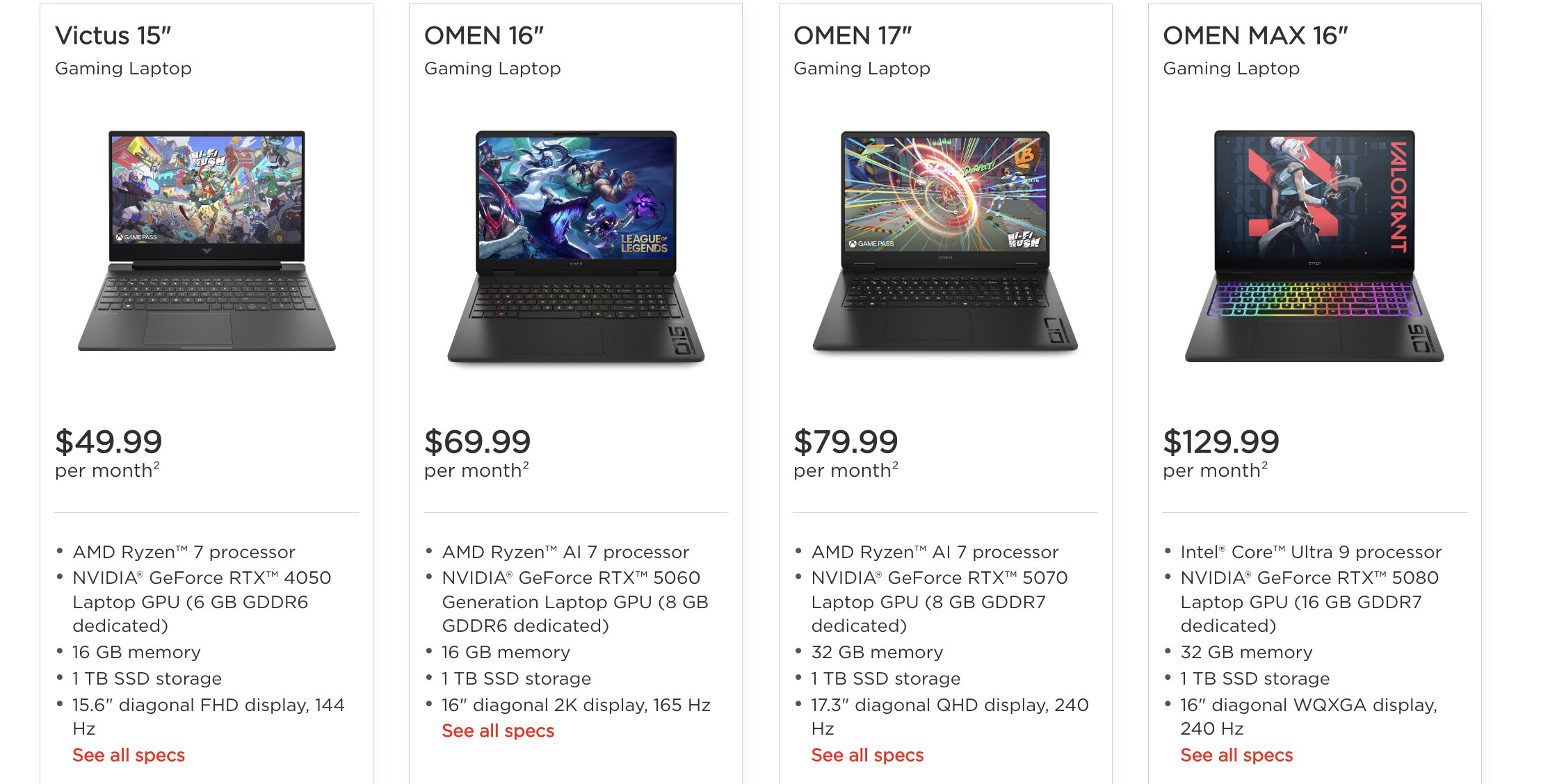
HP’s messaging frames this as consumer friendly, and there is a real audience for it. Players who upgrade frequently, creators who want predictable monthly costs, or households that want premium performance without a big cash hit could see value in the predictability. But for core PC enthusiasts, the program challenges a long held expectation: if you pay long enough, you should end up with an asset. Here, even if you effectively cover the value over time, ownership never transfers.
The bigger industry read is that this is not just an HP experiment. If DRAM pricing volatility and broader component inflation keep squeezing margins, subscription hardware becomes an appealing lever for manufacturers because it builds recurring revenue and locks customers into an upgrade loop. The risk is community trust. Gamers are quick to do the math, and the moment the subscription looks like higher total cost with no ownership upside, sentiment can flip fast.
If HP wants this to stick, the value has to be crystal clear in areas gamers actually care about: low friction upgrades, strong warranty handling, fast replacements, and pricing that makes sense versus buying outright, financing, or buying last generation. Otherwise, this becomes a case study in how to turn a supply chain problem into a consumer backlash.
Would you ever rent a gaming laptop if it guaranteed upgrades every 12 months, or is owning your hardware still non negotiable for you?
