
GIGABYTE RTX 5090 Mod With Dual 12V 2×6 Connectors Burns Holes Through The PCB After Fan Failure
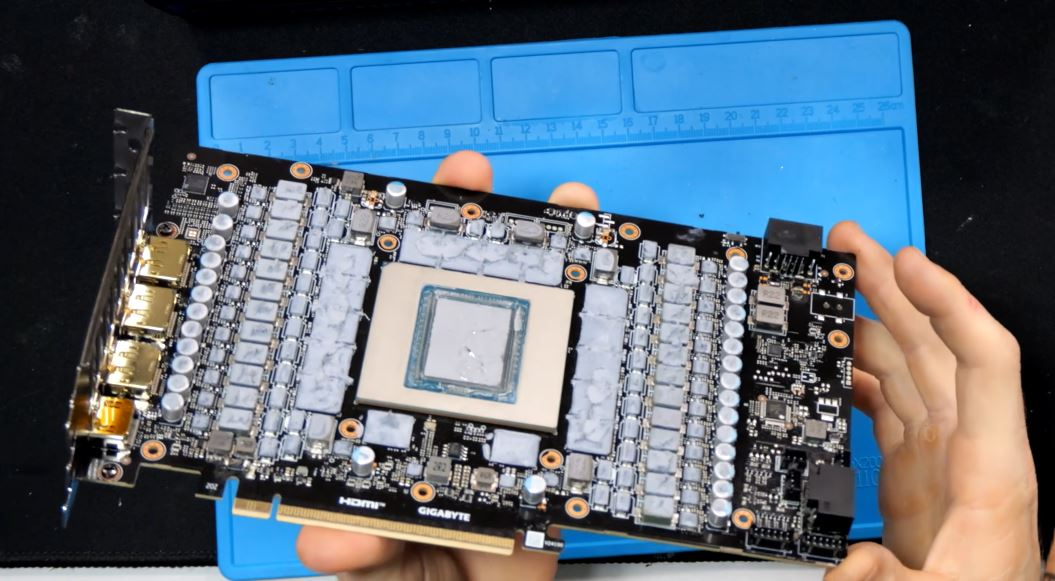
A high risk RTX 5090 power mod has turned into a real world cautionary tale after a GIGABYTE RTX 5090 suffered severe PCB damage, including 2 burned through holes and a blown off capacitor, following a combination of shunt modding, an added second 12V 2×6 connector, and a suspected fan control failure.
In a teardown style breakdown shared by Frame Chasers, the goal was straightforward in enthusiast terms: increase the card’s practical power ceiling and distribute current across 2 separate 16 pin connectors rather than pushing everything through a single 12V 2×6. Some GIGABYTE RTX 5090 models reportedly include a PCB footprint for a second connector, making the hardware side of the mod more approachable for experienced soldering hands, at least on paper.
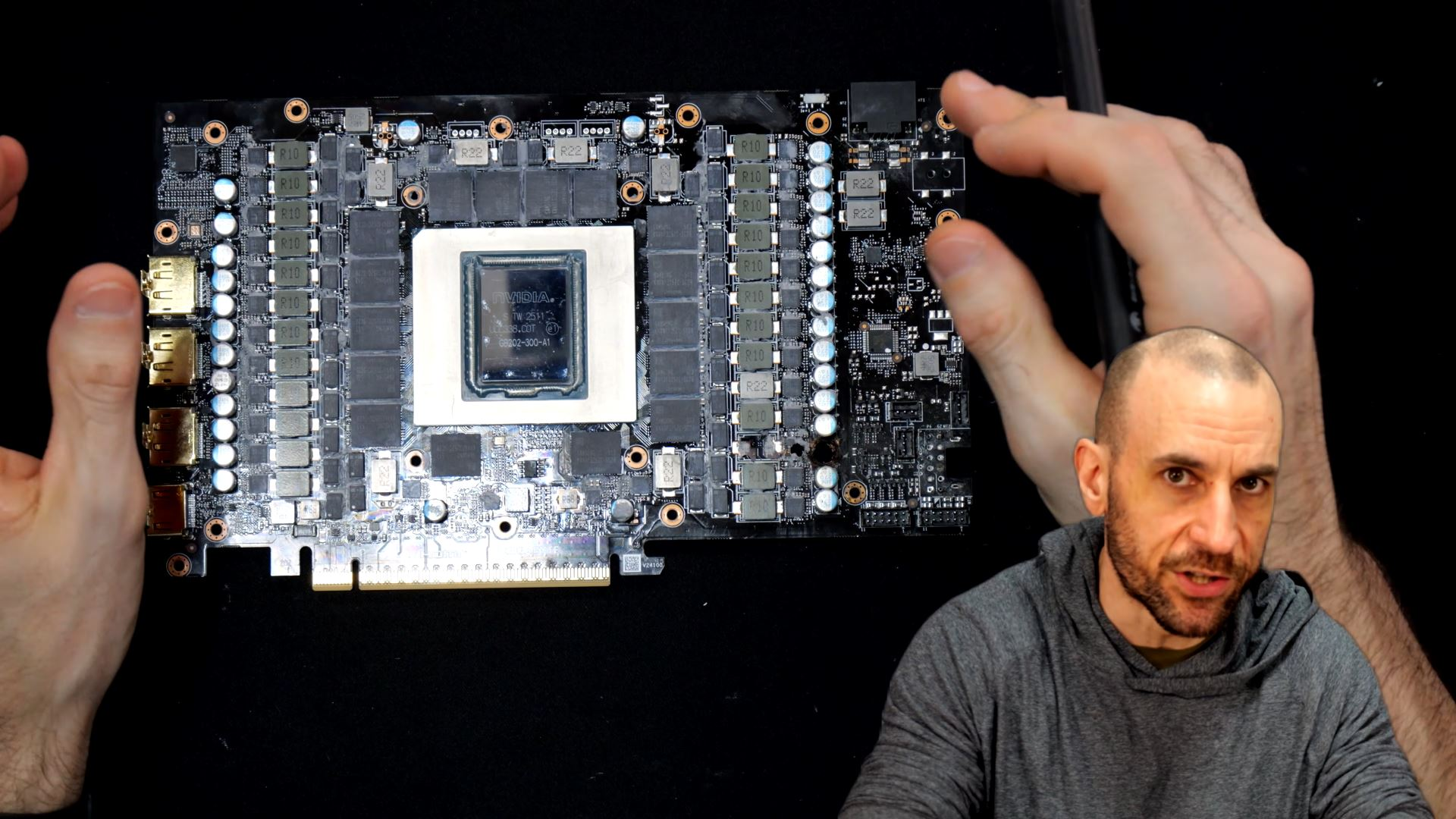
The problem is that pushing power headroom without airtight thermal and firmware safeguards is playing ranked with no armor. According to the report and the creator’s commentary, the card already exhibited abnormal behavior, including an issue where the GPU fans failed to spin up even as temperatures climbed. The incident reportedly occurred while the system was at idle, but with NVIDIA Control Panel set to Performance mode, which can keep the GPU in a higher power state more consistently. With the shunt mod raising baseline power behavior and airflow effectively missing in action, heat appears to have accumulated until the PCB catastrophically overheated.
The visible result is brutal: 2 holes burned through the PCB and a displaced capacitor, consistent with localized thermal runaway around power delivery paths. Early observations suggest the GPU die and VRAM packages may have avoided direct damage, which opens the door for a component level recovery attempt if a compatible donor board can be sourced.
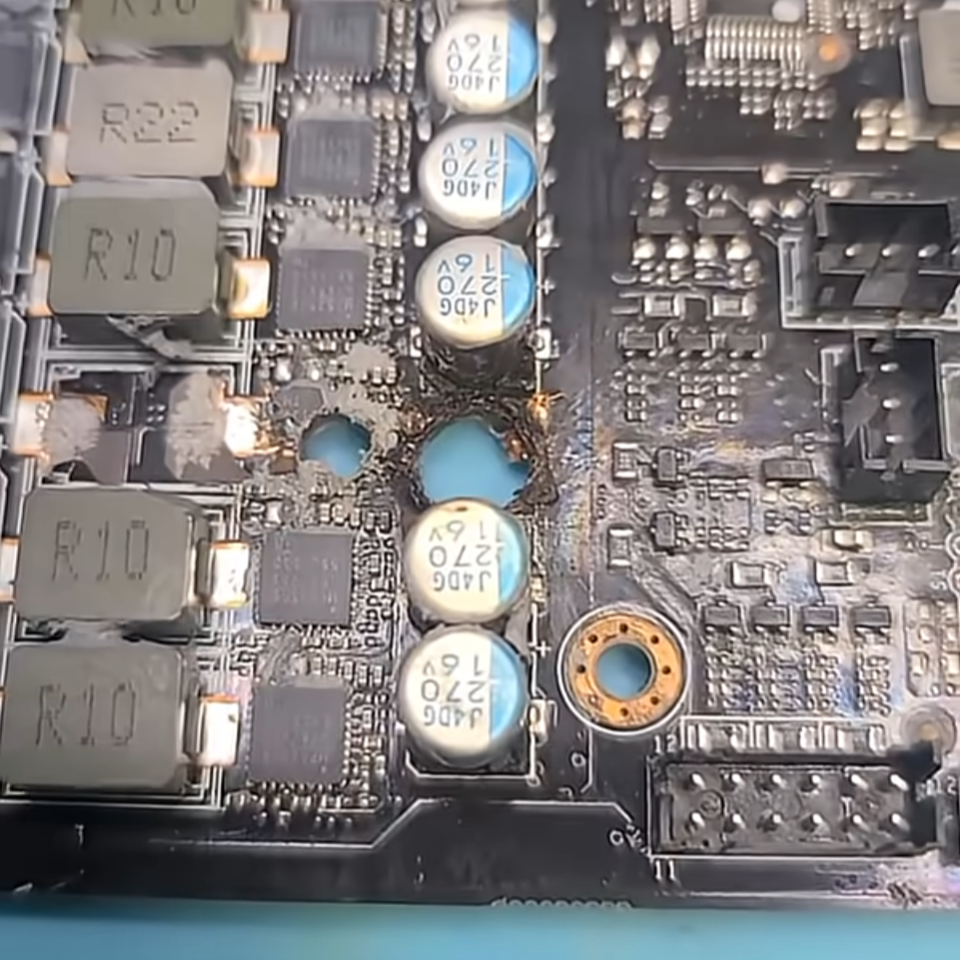
Next steps are already in motion. Frame Chasers has shipped the card to well known repair specialist NorthWestRepair, where a board level assessment could determine whether the core and memory can be transplanted or if the damage extends deeper into traces, layers, and surrounding VRM infrastructure.
For the broader PC gaming and creator ecosystem, the takeaway is clear: extreme power mods can deliver headline performance, but they also compress the margin for error to near zero. If cooling logic fails, connector load balancing stops mattering, because the entire board becomes the heatsink, and it only has 1 endgame.
Would you ever risk shunt modding a flagship GPU for more performance, or is stock stability the real meta for a daily driver rig?
