
Former Build a Rocket Boy Staff Slam MindsEye Leadership as Leslie Benzies Takes Temporary Leave
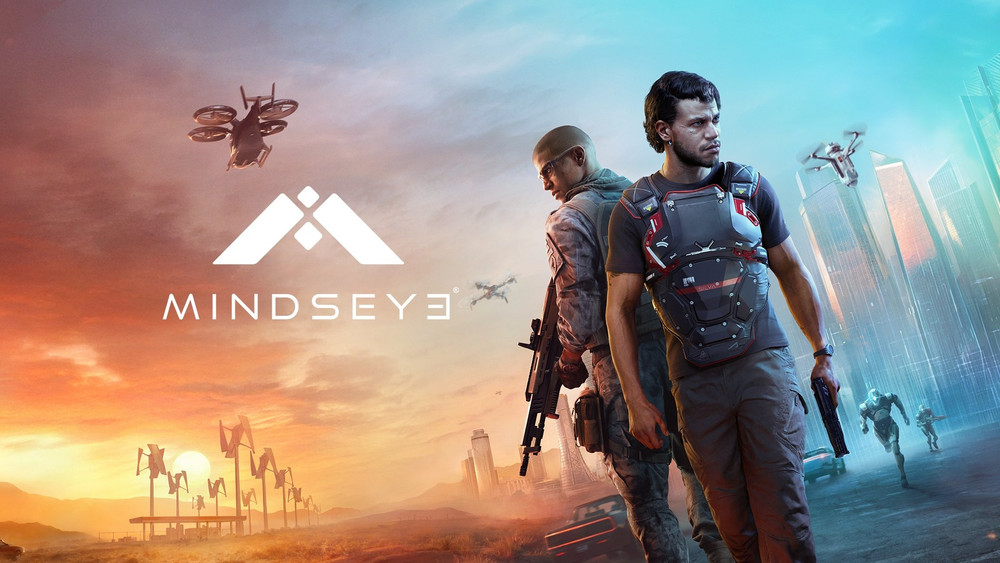
MindsEye, the debut title from UK developer Build a Rocket Boy, is back in the spotlight for all the wrong reasons, as a new report suggests the studio’s internal crisis has deepened rather than stabilized. After launching in a broken state and becoming a public punching bag across social media, the game’s reception hardened into a measurable industry verdict, with Metacritic listing it as the worst reviewed game of 2025 at a 37 score.
The core theme of the GamesIndustry.biz reporting is not a surprise twist, but a grim consolidation of everything that has been bubbling up around Build a Rocket Boy since MindsEye’s launch. Former staff describe a culture where leadership decisions repeatedly disrupted production priorities, with multiple accounts painting a picture of executive driven last minute pivots, limited accountability, and a refusal to accept that the game’s state at release was a management failure rather than an external conspiracy.
Before MindsEye even shipped, warning signs were already visible in public, including negative previews, executive departures, and early leaks of physical copies. After release, the fallout accelerated: refunds, viral bug clips, and an internal morale collapse that culminated in mass layoffs less than 1 month after launch. The studio then shifted messaging toward less frequent updates, suggesting it was trying to consolidate fixes into larger drops to preserve resources, but the broader narrative had already shifted from post launch recovery to existential survival.
Where this latest reporting lands hardest is in the human detail. Multiple former staff members quoted by GamesIndustry.biz reject the studio’s leadership framing that internal and external saboteurs were responsible for the title’s failure. Instead, they describe a leadership structure that they believe did not trust the developers, did not listen to warnings, and continued pushing fundamental changes too late into production for proper testing and integration.
One former staff member recalls being told saboteurs were responsible, describing that message as offensive and dismissive to people who had invested countless hours into the game. Another account describes a repeated pattern where co founder and co chief executive officer Leslie Benzies would fixate on a new feature and demand it be prioritized over stabilization, even close to launch. The consequence, former staff argue, was predictable: insufficient test time, brittle systems, and a product that could not be coherently polished within the remaining schedule.
The report also includes a stark assessment from former lead data analyst Ben Newbon, who argues that even if the bugs were fully fixed, MindsEye would still struggle because the underlying experience is, in his view, extremely boring. That is a brutal positioning problem, because technical recovery can sometimes salvage reputation, but it rarely rescues a product if the core gameplay loop is perceived as fundamentally unengaging.
Meanwhile, the leadership angle has escalated again with the report stating that Benzies has taken a temporary leave, with a statement from Mark Gerhard framing it as a well earned break after more than 1 year of intense work. The phrasing is diplomatic, but the timing is not. In a studio already cut by layoffs and under sustained scrutiny, any executive leave reads as a signal, whether intended or not. In corporate terms, it introduces immediate uncertainty around operational continuity, decision velocity, and whether the studio can execute a credible turnaround plan without more disruption.
The most damaging element in this story is not a single quote. It is the compounded impact of many: a launch widely regarded as unacceptable, layoffs that shrink capacity to fix and rebuild, and a credibility gap between leadership explanations and the accounts of former employees. If players do not believe the studio’s narrative, and developers do not believe the leadership model, then rebuilding trust becomes more difficult than patching code.
Ultimately, GamesIndustry.biz frames the situation as a test of whether Build a Rocket Boy can stabilize, refocus, and deliver a sustainable plan. Former staff, however, sound unconvinced. Their view is that the studio’s crisis is self inflicted, driven by leadership decisions and a failure to listen, rather than any coordinated external effort.
Do you think a studio can genuinely recover a reputation after a 37 score launch year, or is the only realistic path a full reboot of leadership and brand identity?
