
Fallout London Lead Tells Bethesda to Consider Selling Fallout and Elder Scrolls IP as Writing Criticism Intensifies
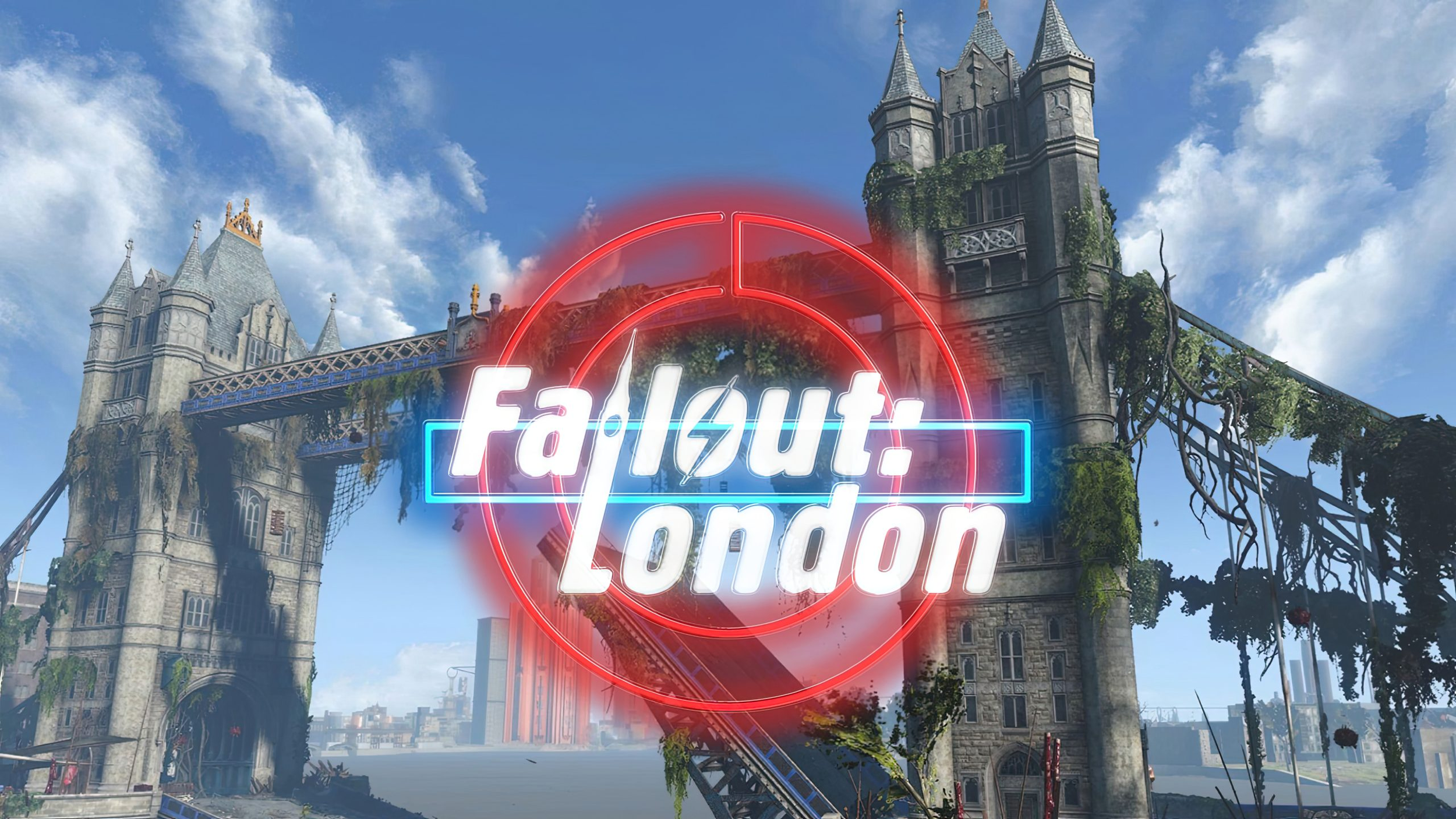
The Fallout conversation is heating up again, this time from a developer with real community credibility in the space. Dean Carter, the lead developer of Team FOLON, the group behind the fan made mega project Fallout London that launched in 07 2024, delivered a blunt message to Bethesda in a recent interview, arguing that the studio may have taken its legacy franchises one game too far and should consider stepping away from Fallout and The Elder Scrolls entirely.
In an interview with Esports.net, Carter said he believes it may be time for Bethesda to go off into the sunset and look at selling off its IP, adding that it hurts him to say it because he loves Bethesda, but he feels the writing has gone downhill. His critique focuses on the direction of recent releases and the long shadow of Fallout 76, which he argues served a specific audience while leaving single player focused fans without the experience they want from Fallout.
Carter did not frame his position as pure negativity. He also offered what amounts to a straightforward corrective action plan: invest in higher caliber writing talent. In his view, if Bethesda brings stronger writers into the pipeline, the next Elder Scrolls and the next Fallout can still land as major wins. That is a pragmatic take that aligns with how live service era studios try to restore community trust, not by changing everything, but by strengthening the creative core that shapes tone, characters, and narrative cohesion.
Beyond story direction, Carter also raised a technology concern that will feel familiar to anyone who has tracked Bethesda discourse over the last decade. He said he is worried the studio will keep using the Creation Engine for future games, while clarifying that he does not believe it is a bad engine. His point is that the engine is showing its age and needs a meaningful overhaul. He also highlighted feature expectations that continue to grow in modern open world design, including drivable cars and larger scale transit concepts, pointing out that Team FOLON built metro systems in Fallout London and implying Bethesda could push similar ideas into Fallout 5 if the tech stack evolves.
Team FOLON’s momentum also adds weight to Carter’s commentary. After the success of Fallout London, the team has reportedly registered as an official game developer and is now building a new indie project on Epic’s Unreal Engine, while still planning to ship the final 2 Fallout London DLC expansions, Last Orders and Wildcard. In other words, this is not a random hot take from the sidelines. It is coming from a team that shipped a major Fallout shaped experience and is now moving into a more formal studio phase.
On Bethesda’s side, there is little reason to expect any strategic shift toward selling off its flagship franchises. The company has every incentive to protect long term platform value and brand leverage, especially with The Elder Scrolls VI next in the pipeline. Any release window discussion remains speculative, but based on modern AAA production timelines and Bethesda’s recent cadence since Starfield’s 09 2023 launch, a late 2027 to 2028 arrival is a reasonable industry estimate rather than a confirmed target.
This situation ultimately lands as a clash between brand stewardship and fan expectation. Carter is effectively calling for a governance level reset, while still leaving the door open for Bethesda to win back confidence through writing upgrades and deeper engine modernization. The next few years will show whether Bethesda treats this criticism as noise, or as actionable feedback that can strengthen the next era of Fallout and The Elder Scrolls.
Do you agree with the Fallout London lead that Bethesda should consider selling Fallout and Elder Scrolls, or do you think the franchises just need a stronger writing team and a deeper Creation Engine overhaul to hit peak form again?
