
Fable Launches in Autumn 2026 for PC, PlayStation 5, and Xbox Series, With Playground Delivering a Reboot That Feels Surprisingly True to the Classics
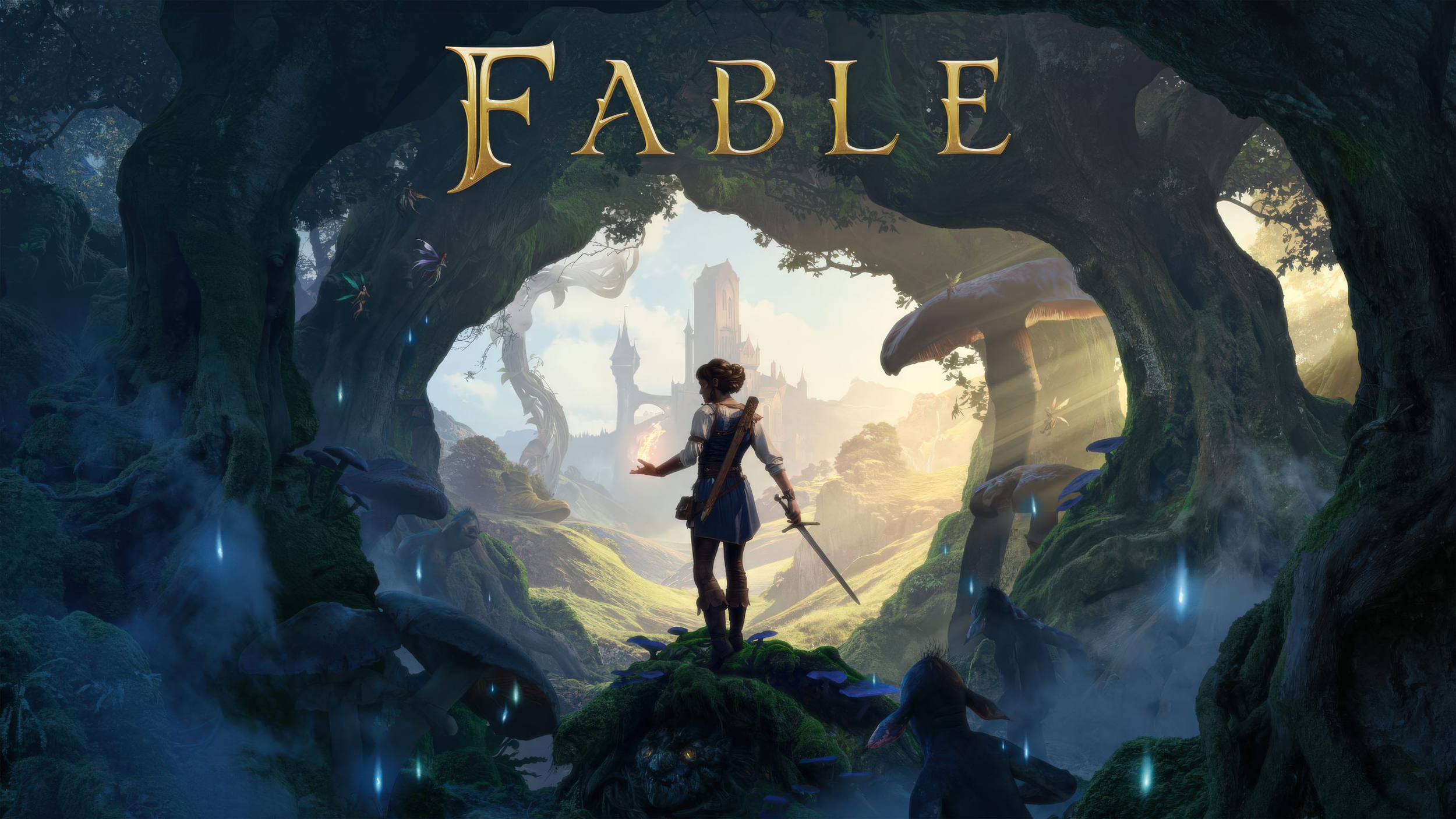
Playground Games used Xbox Developer Direct 2026 to finally lift the curtain on its long awaited Fable reboot, and the headline is now clear: Fable is targeting an Autumn 2026 launch on PC, PlayStation 5, and Xbox Series S and X, all at the same time. After more than 15 years without a mainline entry, this is a high stakes reset for one of Xbox’s most personality driven fantasy franchises, and based on what was shown, Playground is not trying to reinvent Fable into something unrecognizable. Instead, it is leaning hard into the original trilogy’s mix of adventure, absurdity, and consequence, with modern systems that are meant to scale player choice in a way that actually matters.
The structure begins with flexibility, since there is a full character creator, meaning players are not locked into the red haired heroine seen in earlier trailers. Regardless of who you build, the story starts with your character as a child in a small village called Briar Hill. Not long after, you discover heroic powers that have not been seen in Albion for a generation, then watch a mysterious figure turn the village inhabitants into stone, including your grandmother. That moment becomes the narrative ignition, and from there the game opens up into full world exploration as you pursue a way to reverse the spell while carving your own path across Albion.
On locations, Playground is clearly doing the fan service homework. Bowerstone is back with its iconic castle, clock tower, and Heroes Guild hall, and Bloodstone is also confirmed, bringing the shady port town energy the series thrives on. Bloodstone is framed as a powder keg of competing interests, including 2 gangs fighting for power and the Cult of Shadows, while the wilderness ranges across rocky areas, swamps, and more. It reads like a deliberate effort to make the world feel varied, while keeping that very specific Fable flavor of fairy tale charm mixed with grime and danger.
Combat looks like a modernized take on Fable’s familiar toolset rather than a genre pivot. Playground is combining melee action with blocks, counterattacks, and dodges, plus archery and magic spells. Several classic enemies return, with newcomers too, including a fire breathing cockatrice. Friendly fire and enemy weak spots are confirmed, which is a subtle but meaningful signal that encounters are designed for situational awareness, not just button mashing.
The most important part, though, is that Playground appears to understand a core truth: Fable is not just fighting, it is social chaos, moral friction, and the player living with the consequences. The studio is calling this the living world population, and the claim is over 1,000 unique NPCs with roles, personalities, and routines including homes, jobs, and daily schedules. Player interaction options go far beyond quest giving, since you can take jobs, give jobs, evict people, romance them, marry, have kids, divorce, and more. This is where Fable either becomes unforgettable or forgettable, and the feature list suggests Playground is building the kind of systemic sandbox that made the originals sticky.
Morality also appears to be getting a major upgrade. Rather than a simplistic good versus evil slider, the system now uses tags that accumulate through your actions and shape how NPCs react. The example shown is brutally on brand: buying a mansion adds tags like rich and tycoon, then a lower class NPC immediately voices disgust at what they perceive you to be. The key is that different NPCs can respond differently, which turns morality into reputation management and social dynamics rather than binary alignment.
Playground is also teasing larger, world changing consequences that extend beyond dialogue. A quest involving the giant character Dave, played by Richard Ayoade, can be resolved by sparing or killing him. If you kill Dave, his corpse remains across a hill, affecting house prices because the land cannot be used for new homes. And yes, you can purchase every mansion in the game if you want.
This reboot was first announced at the 2020 Xbox Games Showcase and was originally slated for 2025, but it was delayed into 2026 for quality and polish. Based on the Developer Direct showing, that delay looks like a smart call. The visuals, tone, and systems all read like a studio that took the time to do the franchise translation properly rather than forcing a release for a calendar win.
One new detail from a follow up interview adds both intrigue and risk. In an Xbox Wire interview, Game Director Ralph Fulton confirmed that Fable will use a mockumentary interview to camera style as an in game device, inspired by British comedies, with The Office named as a key reference point. Fulton says this approach is not just for trailers, it is used throughout the game as a way to land jokes and character detail more naturally than traditional dialogue could.
That design choice could be a clever signature or a tonal mismatch depending on execution. Fable has always been British, cheeky, and self aware, but direct to camera delivery risks breaking immersion if it is overused or poorly timed. The upside is it can make characters feel instantly readable and comedic beats feel sharp. The downside is it can make Albion feel like a set instead of a world. This is exactly the kind of creative bet that needs disciplined pacing and strong writing to avoid becoming grating.
Finally, there is a strategic launch window reality. Autumn 2026 is a strong release season, but it is also crowded, and Grand Theft Auto VI is currently set for November 19, 2026. If Microsoft wants Fable to own its moment, shipping well before that late November gravity well would be a business smart move.
Do you think the mockumentary to camera style will add personality to Fable, or do you worry it could undermine immersion in Albion?
