
Dracula: The Disciple Brings Cyanide Studio’s Gothic “Puzzlevania” to 2027 as Insolvency Questions Loom Over Nacon
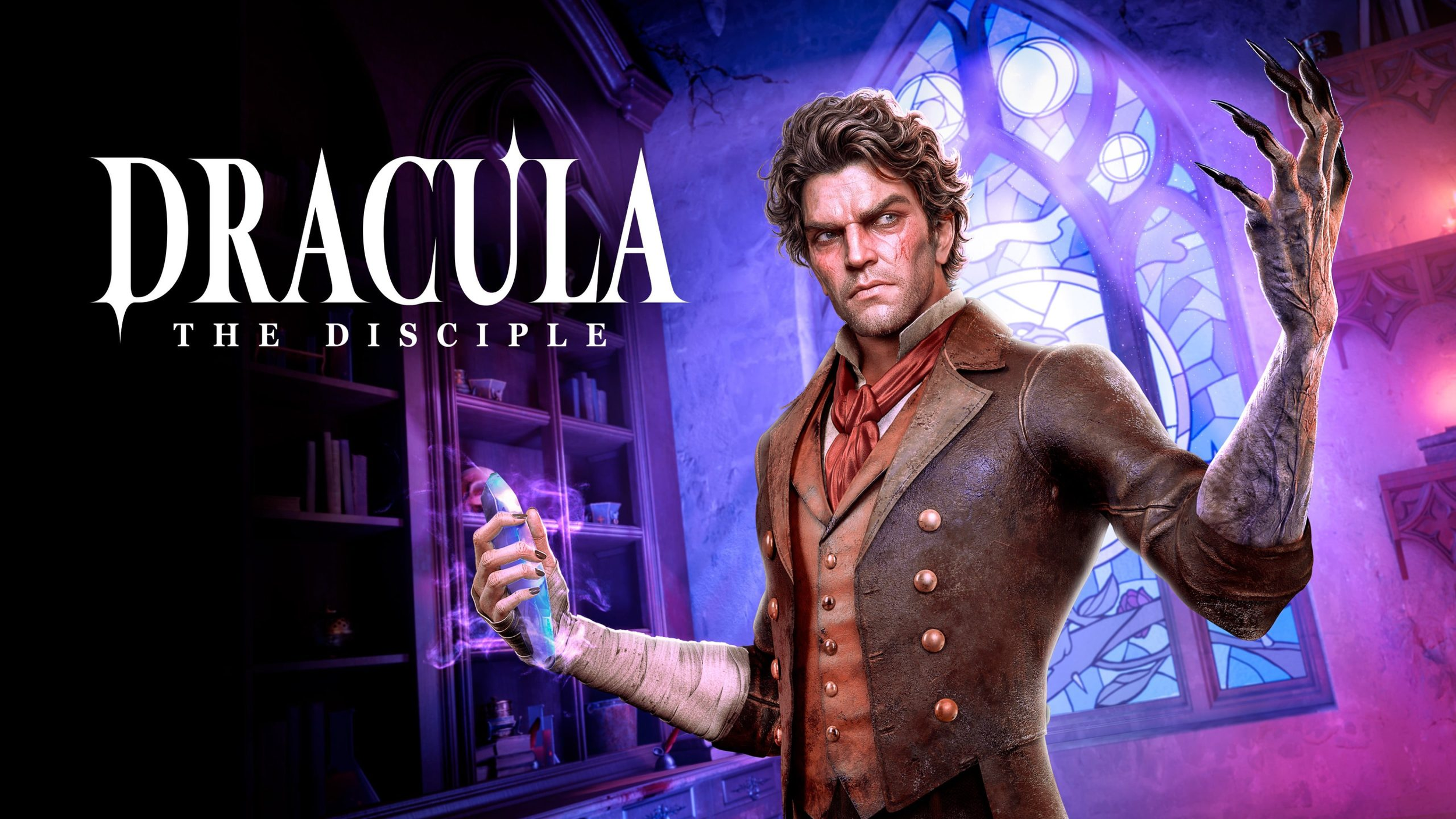
Cyanide Studio has officially revealed Dracula: The Disciple, a first person puzzle adventure announced during Nacon Connect 2026 and currently planned for release in 2027 on PC, PlayStation 5, and Xbox Series X|S. The game is being framed as a dark reinterpretation of the Dracula myth, with Cyanide describing it as a kind of “puzzlevania” built around exploration, mystery, and occult transformation inside Dracula’s castle. The game’s Steam page also lists a 2027 launch window and confirms Cyanide Studio as developer and Nacon as publisher.
In Dracula: The Disciple, players take the role of Émile Valombres, a French archivist suffering from an incurable illness who travels to Transylvania in search of a cure. That journey leads him into Dracula’s abandoned castle, where the story revolves around occult experimentation, supernatural secrets, and the gradual process of becoming something far darker than he expected. Coverage of the reveal describes the castle as a mystery driven environment specifically designed to support layered exploration and puzzle solving, which suggests Cyanide is aiming for a more atmospheric and deliberate experience than a traditional action horror game.
The most curious part of the reveal is Cyanide’s own genre label. Calling the project a “puzzlevania” immediately invites comparisons to exploratory gothic games, but what has been shown so far points more clearly to first person puzzle adventure design than to combat heavy action structure. The early pitch appears centered on navigating Dracula’s cursed domain, mastering strange tools and occult mechanics, and uncovering the secrets behind vampiric transformation. That could give the game a unique identity if Cyanide can make the castle itself feel like an intricate system rather than just a backdrop.
The announcement trailer leans heavily into that gothic mystery tone, focusing on cursed spaces, eerie architecture, supernatural tension, and the sense that Émile’s desperation is pulling him toward immortality at a terrible price. Based on the current material, this looks less like a conventional vampire action game and more like a slower, mood driven descent into forbidden knowledge, which could help it stand out in a crowded horror field if the design lands well.
What makes the reveal more complicated is the financial situation surrounding Cyanide and parent company Nacon. Multiple industry reports state that Cyanide, along with other Nacon subsidiaries such as Spiders and Kylotonn, filed for insolvency in March 2026 and requested judicial reorganization proceedings. Nacon itself had already filed for insolvency in February 2026. That means Dracula: The Disciple arrives under a real cloud of uncertainty, although no source I found confirms that Cyanide has been shut down or that the game has been canceled. The risk is clearly there, but at this stage the safer reading is that the project remains announced and scheduled while the restructuring process continues.
That distinction matters. It would be easy to assume the game is already doomed, but the public evidence does not support that conclusion yet. What it does show is a publisher and several studios operating under significant financial pressure while still moving forward with new game announcements. For now, Dracula: The Disciple looks like one of the more interesting gothic concepts in Nacon’s current slate, but its path to a 2027 release will depend not just on creative execution, but on whether Cyanide and the wider Nacon group can stabilize their business operations over the coming months.
From a game design perspective, the concept has real potential. Cyanide has experience with stylized worlds and strong thematic framing, and Dracula remains one of the most flexible figures in horror fiction. Shifting that myth into a first person mystery structure with transformation mechanics could produce something genuinely distinctive if the studio can fully define what “puzzlevania” actually means in play. Right now, the reveal gives the project atmosphere and intrigue. The next step is proving the systems are as compelling as the premise.
Do you think Dracula: The Disciple can become one of the more original horror games of 2027, or does the uncertainty around Cyanide make it too hard to get excited yet?
