
DOOM The Dark Ages Director Says the DLC Is Basically a Sequel and Built Around a Massive Metroidvania Style Loop
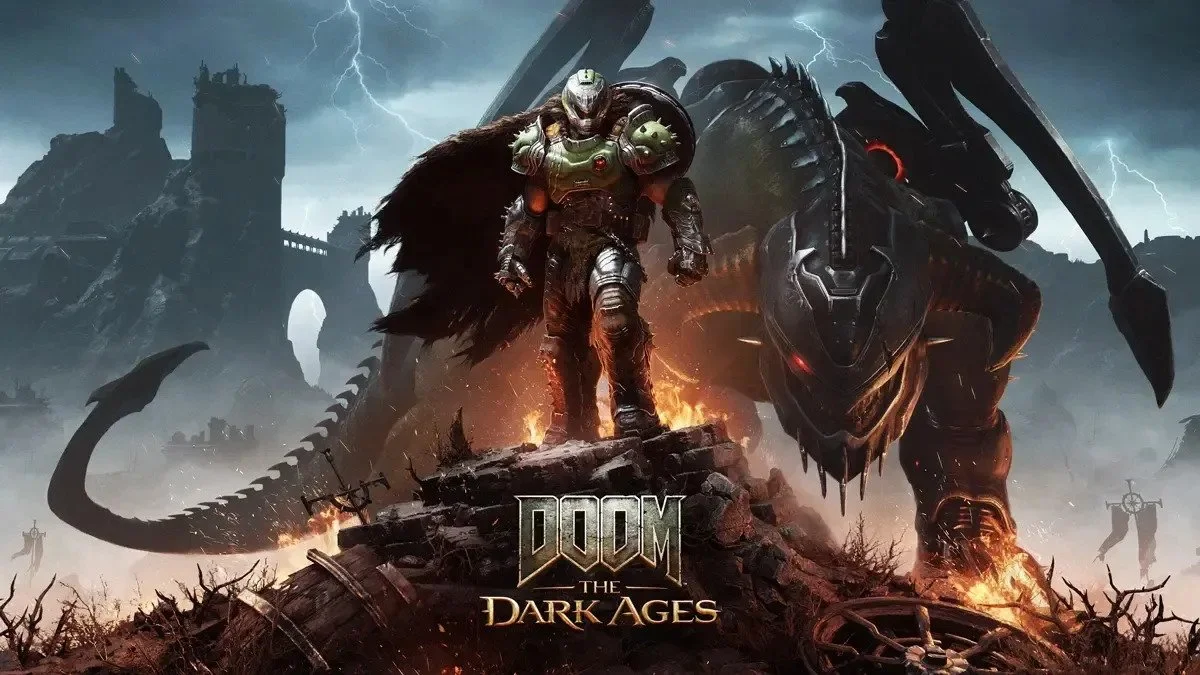
id Software is going big with the campaign expansion for DOOM The Dark Ages. During the latest official Slayers Club Live stream, game director Hugo Martin described the upcoming DLC in terms that go far beyond a typical add on, calling it “freaking huge” and saying it “basically” feels like a sequel in both scope and density. The messaging here is clear: this is not a small side chapter designed to pad the Premium Edition. This is a major content drop that aims to meaningfully evolve how the game plays and how players engage with its world.
Martin’s biggest gameplay reveal is that the DLC is built around a Metroidvania style progression loop. The expansion is designed for backtracking and revisiting spaces with new tools, unlocking additional routes, secrets, and what the team is labeling as endgame content. Instead of delivering a one way campaign sprint, the DLC leans into a structure where finishing the main route becomes the start of a deeper mastery layer. That is a strategic pivot for DOOM pacing, because it converts the environment into a reusable combat playground and rewards players who like to optimize routes, find hidden challenges, and extract value from every arena.
A hub is also part of the plan, with Martin describing a retraversal flow through the hub itself and “lots of secrets” packed into the overall experience. This is where the DLC’s ambition starts to look like a true campaign evolution rather than a linear extension. A hub plus re exploration naturally supports progression gating, difficulty scaling, and a layered content model that can keep high skill players engaged long after the credits.
That high skill ceiling is a core pillar. Martin said the DLC is being designed around tools that take investment to master, but once their potential is unlocked, they can transform the game in a positive way. He also highlighted how tool synergy becomes a major payoff, emphasizing that combining one tool with others is where things get “fantastic.” For long time DOOM players, that reads like an intentional push toward deeper combat expression, more build variety, and more room for mastery, rather than simply adding new enemies and arenas on top of the existing loop.
Story is getting attention too, but in a way that fits DOOM’s identity. Martin acknowledged that many players do not come to DOOM for traditional cutscene driven storytelling, so the team is leaning into environmental storytelling and a philosophy he summarized as feel it, do not watch it. The stated goal is for narrative context to be experienced through the spaces, the flow, and the moment to moment play, rather than being delivered as something you passively consume. That approach also aligns well with the hub and retraversal structure, since repeated passes through areas are an opportunity to reveal lore and atmosphere organically.
One additional detail that will get veteran players talking is quick swap. Martin confirmed that quick swap will be in the DLC, but with a twist: players will have to earn the right to quick swap. That is a strong design statement because quick swap is deeply tied to high level DOOM combat tempo and weapon mastery. Making it earned suggests id Software wants progression and skill growth to feel integrated into the DLC’s structure, rather than giving every capability upfront.
There is no release window yet, but the scope described on stream sets expectations for a major expansion that is positioned closer to a campaign sequel than a standard DLC pack. If id delivers on the hub, backtracking progression, and tool mastery promises, DOOM The Dark Ages could be about to get its most replayable and system driven content yet.
Do you want id Software to keep pushing DOOM toward deeper progression and hub exploration, or should the series stay focused on pure linear combat pacing with minimal backtracking?
