
Divinity Will Strengthen Worldbuilding to Address the Franchise’s Longstanding Weakness
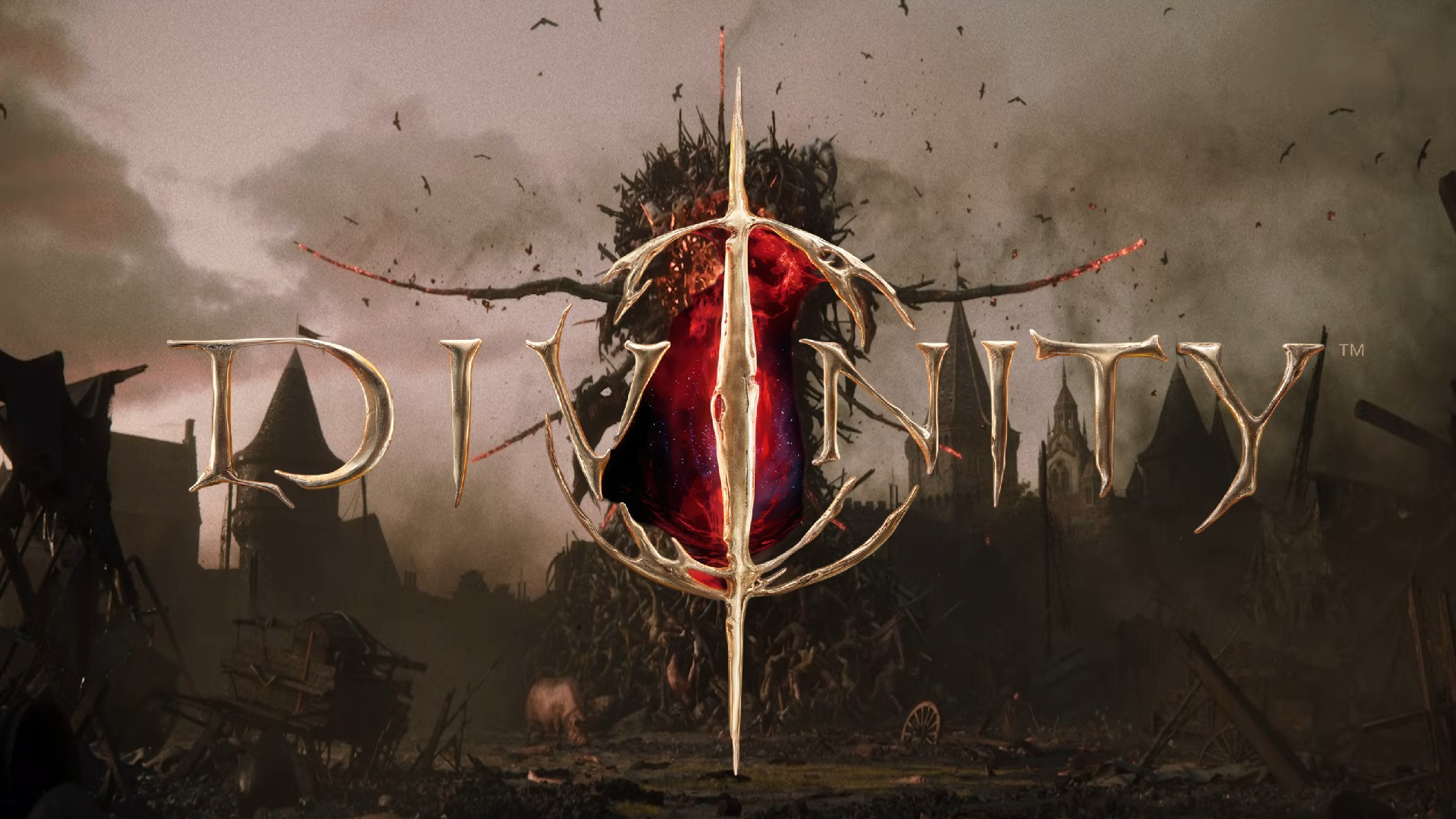
Following the official reveal of Divinity at The Game Awards 2025, Larian Studios founder, owner, and game director Swen Vincke has begun outlining how the studio plans to evolve the franchise beyond its previous entries. In a detailed post announcement interview with IGN, Vincke openly acknowledged what many long time fans and critics have pointed out over the years. Worldbuilding has historically been one of the weakest elements of the Divinity series, and that is now a top priority for the studio.
According to Vincke, one of the earliest and most demanding changes being made for the new game is the creation of a far more cohesive and deliberate universe. He explained that Larian learned a critical lesson while developing Baldur’s Gate 3, where the Forgotten Realms setting provided a deep and consistent foundation that supported storytelling, character motivations, and environmental detail. That experience reshaped how the studio now approaches Divinity.
Vincke stated that Larian has committed significant effort to making the Divinity universe feel organized, intentional, and complete. This is also reflected in the decision to simply title the game Divinity. Previous entries carried multiple subtitles and variations, often without a clear sense of a unified canon. This time, the studio is building a proper universe designed to support not only the upcoming game but future expansions and stories layered on top of it.
He further explained that earlier Divinity titles were developed with minimal long term universe planning. Even Divinity Original Sin 2, which showed noticeable improvement, did not reach the level of systemic world cohesion achieved in Baldur’s Gate 3. For the new project, Larian is focusing on the small details that make a world feel lived in, such as daily routines, cultural norms, social structures, and the logic behind how societies function when characters are not directly interacting with the player.
This renewed focus addresses a key limitation of Rivellon as a setting. While it has always had strong thematic potential, it has struggled to stand alongside deeply established fantasy worlds such as The Elder Scrolls, The Witcher, Dragon Age, or Baldur’s Gate 3’s Forgotten Realms. Those universes benefit from decades of layered lore, recognizable factions, and a sense of historical continuity that Divinity has not yet fully achieved.
For Divinity to reach that level, depth and texture are essential. Strengthening lore, defining social systems, and making the world feel internally consistent will be critical if Larian wants players to emotionally invest in its characters, factions, and conflicts. Beyond in game improvements, the franchise could also benefit from broader transmedia expansion. While Divinity Original Sin previously received a board game adaptation, novels or narrative driven side projects could help solidify attachment to key characters and events. Even an animated adaptation could further elevate the universe, though that would represent a much larger investment.
Within the game itself, features such as a codex or lore reference system would also support this effort. Allowing players to easily track world specific terminology, historical events, and character backgrounds would reinforce immersion and make the setting easier to understand without overwhelming newcomers.
Vincke also reiterated that Larian is aiming to complete Divinity faster than the six year development cycle of Baldur’s Gate 3. That ambition comes with clear challenges, especially given the increased scope and quality expectations now attached to the studio. However, the early emphasis on foundational worldbuilding suggests that Larian is trying to avoid the fragmented approach that held earlier Divinity entries back.
Overall, the studio’s willingness to directly address past shortcomings signals a more mature and strategic direction for the franchise. A stronger, more coherent setting could be the key factor that allows Divinity to finally stand shoulder to shoulder with the most respected fantasy RPG universes in the industry.
Do you think deeper worldbuilding is what Divinity needs most, or are there other areas where Larian should focus to elevate the franchise? Share your thoughts below.
