
DDR4 Spot Prices Are Spiking Faster Than DDR5, Signaling a Scramble for Any Available DRAM Ahead of Q1 2026
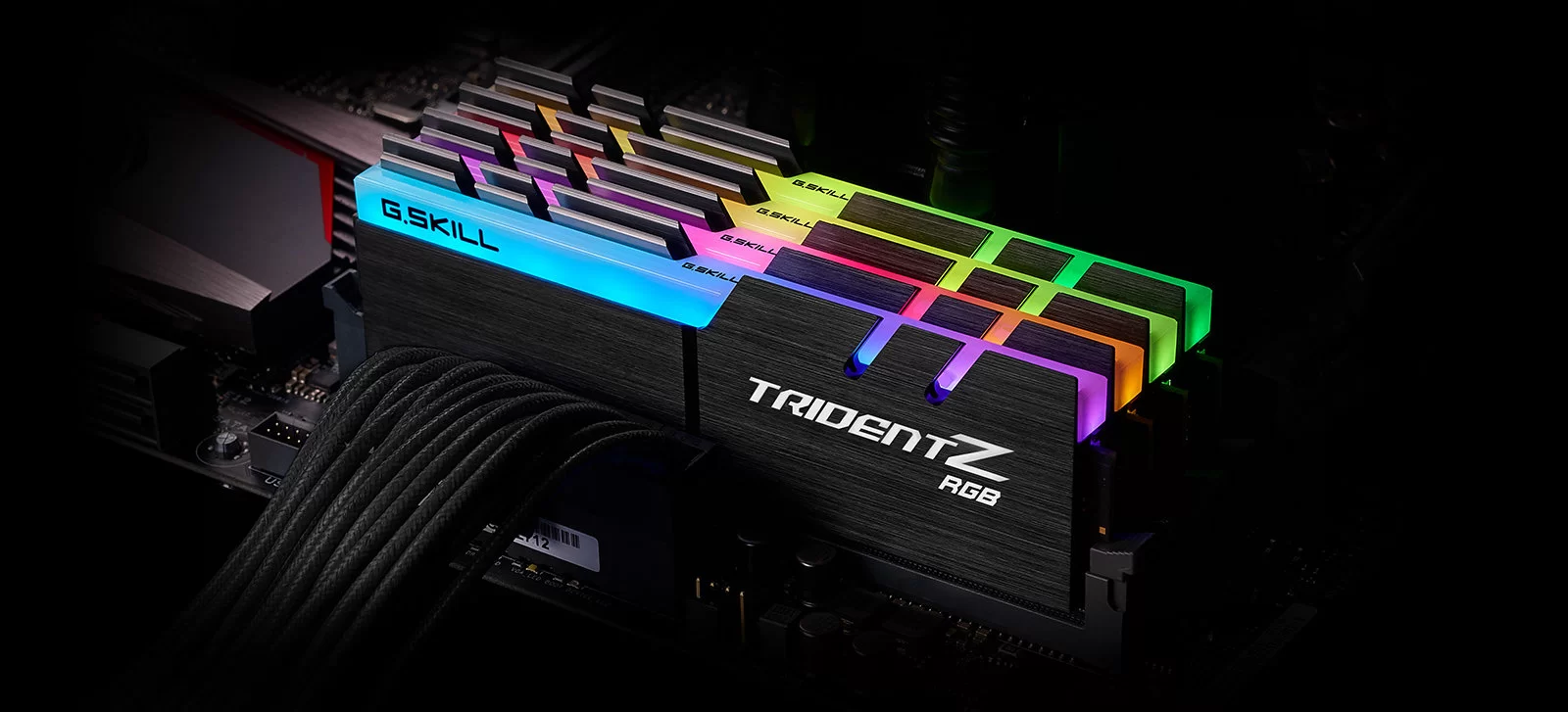
The DRAM market is sending a clear stress signal heading into Q1 2026, and the most ironic part is that legacy DDR4 is moving faster than DDR5. According to a report from Ctee, DDR4 spot prices have surged by 172%, while DDR5 spot prices are up 76% in the same period, with the article citing Goldman Sachs analysis and framing this as the opening stage of a broader pricing cycle rather than a one off spike.
For builders and system buyers, the headline is not just that DRAM is getting more expensive. It is that supply tightness is now forcing buyers into fallback behavior. When DDR4 accelerates this hard, it suggests the market is not purely chasing next gen performance. Instead, buyers appear to be grabbing whatever memory they can secure to keep production, upgrades, and deployments moving, including platforms that still depend heavily on DDR4.
The report also highlights a dangerous timing gap between spot market reality and end product pricing. Spot pricing can move violently, but consumer pricing often lags because brands and OEMs are still shipping inventory built on older cost assumptions, and because contract structures do not instantly reprice finished goods. Ctee notes that current spot increases have not yet fully shown up in downstream products, implying that many PC components and memory kits may still look relatively cheaper today than they will once the cost pass through hits in full force.
On the commercial side, the same report points to rising friction in long term agreements. Downstream customers are reportedly finding it harder to secure LTAs, while suppliers are said to be pushing shorter term arrangements in order to reflect spot premiums faster in client contracts. That dynamic matters because it compresses planning windows for OEMs and integrators. When pricing visibility shrinks, product roadmaps and channel strategies get riskier, and the easiest lever becomes higher end pricing across GPUs, memory modules, and performance oriented SKUs that already carry premium positioning.
If this trend holds, the next few months could be where the market feels the real pain, not just in charts but at checkout. Once manufacturers stop absorbing cost deltas and begin aligning contract and end product pricing with spot conditions, the PC ecosystem may see a noticeable step up in pricing across multiple tiers, especially in higher capacity and higher speed configurations.
Are you seeing more demand in your region for DDR4 based builds as a cost or availability fallback, or are buyers still insisting on DDR5 even with the supply squeeze?
