
Dark Messiah of Might and Magic Community Edition Officially Enters Development with Ubisoft and Valve Support
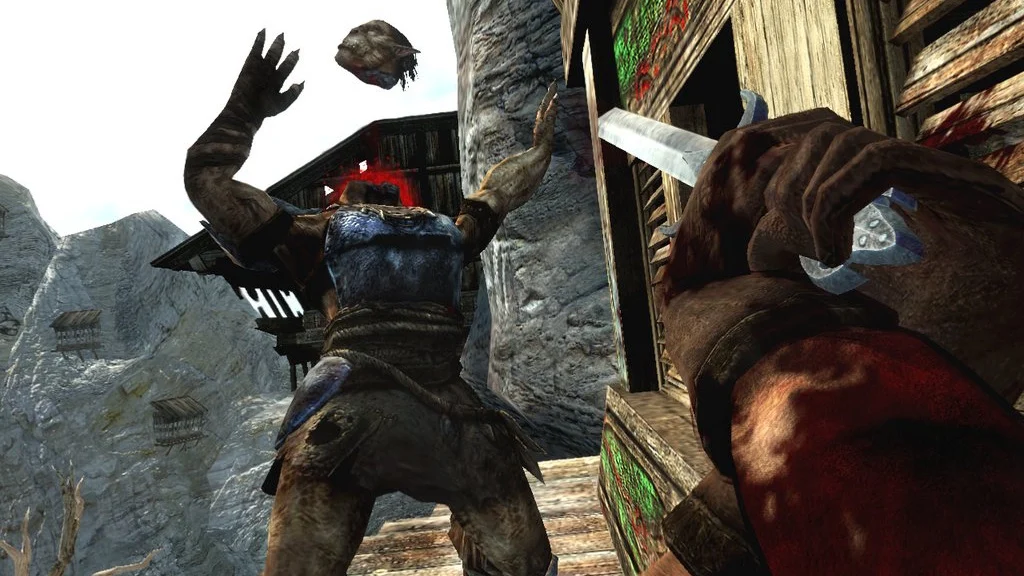
A major revival effort is now officially underway for Dark Messiah of Might and Magic, and this time it is moving far beyond the scope of a standard fan mod. KingDavidW of wiltOS Technologies has announced that a proper Dark Messiah of Might and Magic Community Edition is now in development, with support from both Ubisoft and Valve. According to the official announcement, the project will be built on a newer version of Source 1, will release on Steam, and is expected to include Workshop support, while covering both the single player and multiplayer sides of the game.
That is a very meaningful development for a game that has spent years surviving through community fixes, restoration efforts, and experimental modding work. The team says the move to a newer Source 1 SDK should provide a far more stable foundation, along with direct code access that makes it possible to properly expand systems and fix longstanding issues that were much harder to address before. The announcement specifically points to old locking related problems in the original game as one reason the newer SDK matters, suggesting that this Community Edition is not simply about adding content, but also about making the game fundamentally healthier at a technical level.
What makes this even more interesting is that the Community Edition is not starting from zero. The new version is set to serve as a common base for wiltOS Technologies’ existing Dark Messiah projects, with current mods planned for integration into the new framework over time. That gives the effort a much broader role than a visual remaster or isolated overhaul. Instead, it looks like an attempt to create a long term platform for Dark Messiah modding and restoration work, one that could finally give this cult classic a more sustainable future on modern systems.
One of the more creative additions being folded into the wider project is the new Rune system, inspired by the relic mechanics from Dark Messiah of Might and Magic: Elements on Xbox 360. In the current restoration work, these collectibles unlock gameplay mutators that can make the game harder, stranger, or easier depending on player preference. The team says there are already 3 of them in the Restoration Mod’s prologue and 1 in Arena mode, giving a glimpse at how the Community Edition may do more than preserve the original game and instead expand its replayability in meaningful ways.
There is also broader ambition on the tools side. The team has repurposed the Alien Swarm TileGen system into a procedural dungeon generator with multi floor 3D tile placement, and community mappers are being called on to help populate it before it opens more widely to players. That kind of feature points to a much more experimental future for Dark Messiah than many fans probably expected, especially for a game that first launched in 2006 and has largely been remembered for its physics driven combat, kick based environmental kills, and one of the most distinctive first person melee systems of its era.
The co op side is also still moving forward. The team says the co op mod has gone through a major SDK refactor to align it with the newer Advanced SDK, which should make future upgrades easier and more stable. At the same time, new character work is in progress, including the Undead Assassin by modder Riddick and a new assassin armor set by StickyFingaz. The mod launcher has also been updated for multi language support, and translators are currently being sought to help fill that gap. On top of that, wiltOS is preparing a content delivery system meant to reduce redundant asset downloads across different mods, which is a practical quality of life improvement for a project ecosystem that is clearly becoming much larger and more interconnected.
The visual overhaul project has not disappeared either. The Dark Messiah RTX effort remains active, and wiltOS Technologies has now opened the Lite Edition Public Alpha for public testing. The official GitHub page confirms that the current RTX mod files are available there, and that users need both the wiltOS Dark Messiah Mod Launcher and the wiltOS Dark Messiah Advanced SDK Base Module to install it properly. The repository also notes that the current public release is the Dark Messiah RTX: Lite Edition Public Alpha, giving players an early way to test the visual update while the wider Community Edition continues development.
Perhaps the biggest reason this announcement stands out is that it is not just another fan revival happening in isolation. With Ubisoft and Valve both explicitly acknowledged in the announcement, this Community Edition has a level of legitimacy and structural backing that most classic game restoration projects never reach. That does not guarantee a quick release, and the team itself makes clear that the integration work will take time, but it does turn Dark Messiah into one of the more exciting examples of how older cult favorites can be preserved, stabilized, and expanded with the right mix of community passion and official support.
For players who still remember how unique Dark Messiah felt at launch, this is the kind of news that carries real weight. The game’s mix of melee combat, immersive sim style level interaction, and fantasy brutality has never been fully replaced by the modern market. If the Community Edition can successfully modernize the foundation while preserving that identity, Dark Messiah may finally get the second life many fans have wanted for years.
What do you think about this Community Edition project? Would you jump back into Dark Messiah if this ends up becoming the definitive modern version?
