
Cyberpunk 2 Could Land In Late 2030 With A 419 million$ Budget, As Analysts Warn Multiplayer Scope Is Extending CDPR’s Timeline
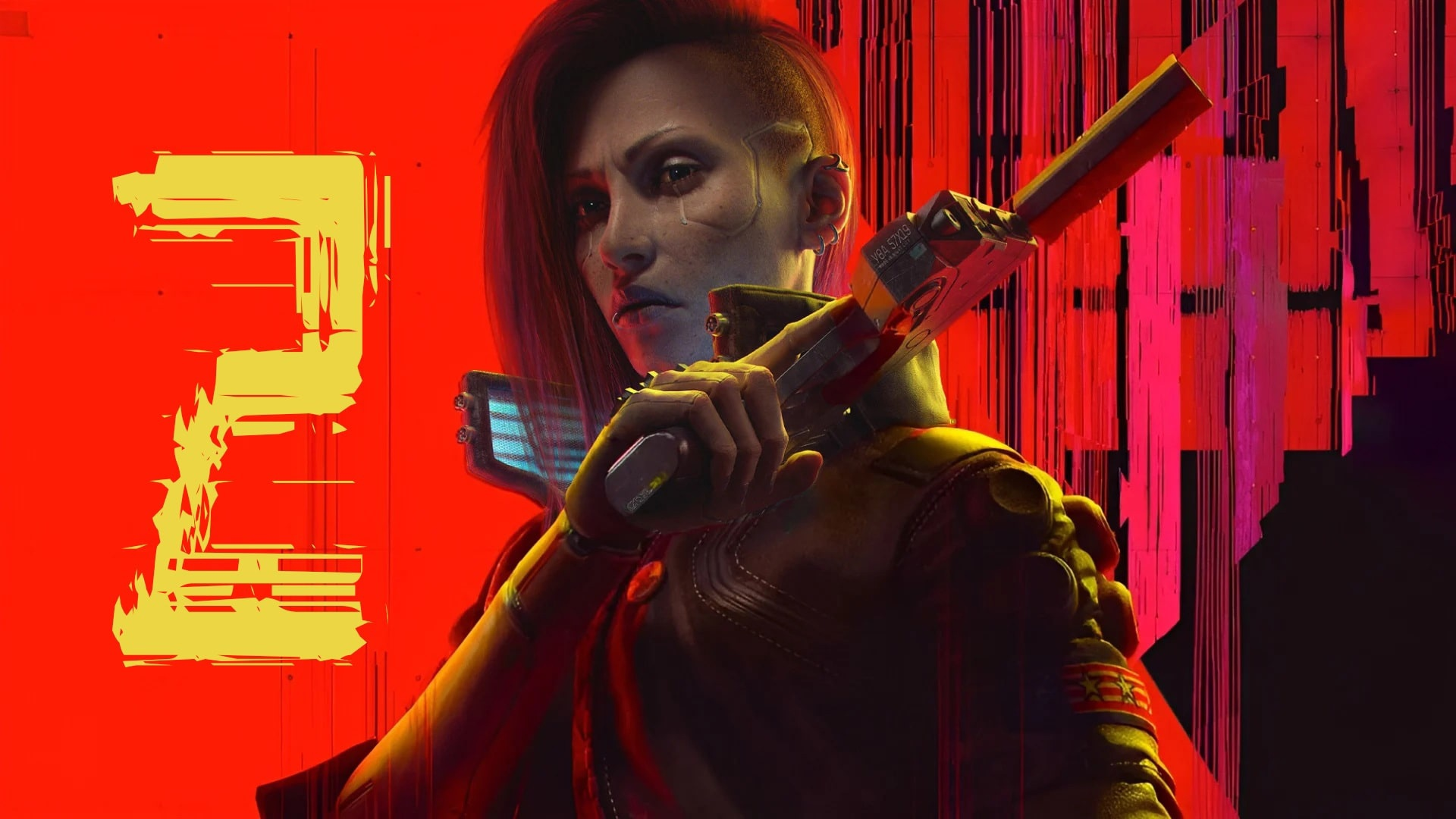
CD Projekt RED’s current public facing focus remains on its next major release, The Witcher 4, which is widely expected to be the studio’s next headline launch before it fully shifts resources toward the sequel to Cyberpunk 2077, currently known as Project Orion and often referred to as Cyberpunk 2. For players tracking their long term upgrade roadmap, that sequencing matters, because it signals a multi year runway where big budget open world RPG development inside CDPR is effectively running in a relay, with The Witcher 4 leading the baton handoff and Cyberpunk 2 positioned as the follow up anchor.
A new analyst note highlighted by TweakTown claims the Cyberpunk sequel is now tracking toward a late 2030 release window, with Noble Securities forecasting a Q4 2030 launch. The same note suggests the project’s budget has expanded to {Poland 1.5 billion zloty: 1.5 billion PLN}, which the coverage translates to roughly {United States 419 million dollars: 419 million$}. The key driver cited for the extended timeline is CDPR’s intent to integrate multiplayer into the production plan, which the analyst argues pushes development beyond the pace implied by progress on the Witcher program benchmark. In short, the sequel is being framed as a larger operational swing than a straightforward single player follow up, and that scope inflation is what redefines the calendar.
From a market strategy standpoint, this kind of forecast is a double edged blade. A 2030 landing window gives CDPR time to mature technology, pipeline tooling, and global production capacity, while also giving the studio an opportunity to fully capitalize on Cyberpunk 2077’s rehabilitation arc and long tail engagement. At the same time, multiplayer is a multiplier on risk as well as cost, because it introduces network engineering, server scalability, content cadence planning, and long term live operations considerations that can materially affect both schedule certainty and quality assurance burn. For a franchise that many players still associate with a single player first identity, the core question becomes whether multiplayer is designed as a value add that complements the campaign, or a pillar that reshapes how progression, world design, and replayability are built from day 1.
If the Q4 2030 prediction holds, CDPR would be aligning Cyberpunk 2 with the 10th anniversary window of Cyberpunk 2077, creating a clean narrative beat for the decade and a high impact marketing moment. It also implies that players have a surprisingly long planning horizon on the PC side, especially in a market where component pricing, including memory, has been increasingly volatile. That runway is good news for builders who want to pace upgrades across GPU, CPU, storage, and RAM over multiple years instead of taking a single massive hit. It also gives the enthusiast community time to watch how next generation consoles, PC hardware cycles, and AI driven production constraints reshape pricing and availability before the sequel’s true recommended spec profile becomes clear.
None of this is a product announcement from CDPR, and forecasts like this should be treated as directional rather than definitive. Still, the headline takeaway is clear: if CDPR truly commits to multiplayer as part of Cyberpunk 2’s foundation, the studio is likely choosing a longer timeline and a larger budget in exchange for a broader long term engagement model. For players, that means more time to prepare, and more reason to keep expectations calibrated until the studio locks in official dates and feature commitments.
Would you rather Cyberpunk 2 stay purely single player to protect quality and release timing, or do you want multiplayer even if it pushes the game closer to 2030?
