
Control Resonant Highlights Remedy’s Biggest Gameplay Team Yet as New Deep Dive Reveals Ambitious Combat Evolution
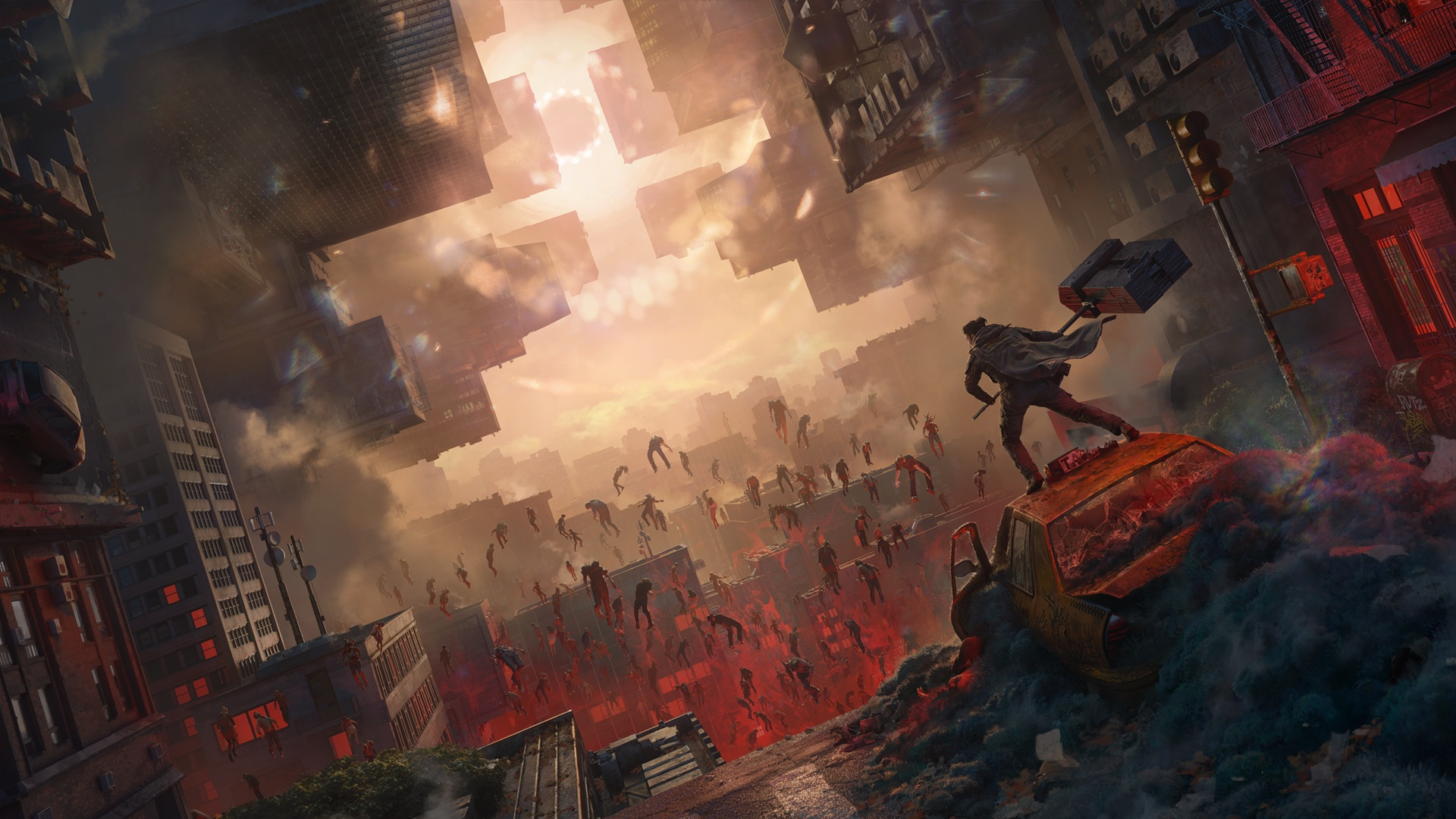
Remedy Entertainment has offered its clearest look yet at Control Resonant, the long awaited follow up to Control, and the latest development deep dive suggests the studio is making one of its boldest gameplay bets to date. While the original 2019 release earned widespread praise for its worldbuilding, atmosphere, combat design, and supernatural storytelling, its commercial trajectory did not always match the level of acclaim from critics and players. Even so, it remains one of Remedy’s strongest performing properties, and the studio now appears determined to push the sequel toward a bigger market breakthrough by strengthening the gameplay foundation as much as the narrative framework.
In Remedy’s new developer diary, the studio shared early alpha footage that gives fans a first glimpse at how Control Resonant is taking shape in motion. The footage is still early, but the larger takeaway comes from the team itself. Remedy is signaling that gameplay is at the center of this project’s production strategy, with a major internal investment aimed at expanding combat systems, combat variety, and player expression in a way that goes beyond what the original game delivered.
Executive producer Juha Vainio described that internal scale in direct terms, saying, "the biggest gameplay team in Remedy history. Which allows us to make more weapon forms, more paranatural abilities, more deeper gameplay systems, and the whole gameplay experience will then be much more solid, and I would say, much more fun." "Quote by: Juha Vainio" That statement alone frames Control Resonant as a project built to iterate aggressively on the studio’s action design, not just its cinematic and narrative ambitions.
Lead level designer Anne Marie Grönroos also explained how the team is rethinking encounter structure. In the original Control, many combat scenarios were built around arena style spaces where players were sealed into a room and forced to eliminate enemies before progressing. That structure became one of the game’s defining rhythms, but it also created a predictable loop. In Control Resonant, Remedy is moving away from that formula by taking combat into more open urban spaces. Rather than locking players inside enclosed battle zones with obvious barriers, the new design philosophy appears focused on giving players stronger organic reasons to engage enemies.
That shift is a meaningful one. Open streets naturally demand a different combat language than the confined interiors of the Oldest House. They create more room for movement, spacing, verticality, and environmental interaction, but they also require stronger encounter design to ensure players feel motivated to participate rather than simply avoid conflict. Remedy’s answer, based on this deep dive, is to design systems that reward combat engagement in more dynamic and meaningful ways. For a studio known for blending atmosphere with mechanical intensity, that approach could be a major differentiator.
The latest footage and developer commentary also reinforce what fans have been piecing together since the game’s reveal. Control Resonant is not just a more polished sequel. It increasingly looks like a structural evolution of Remedy’s action formula. Internally, the project seems to represent a creative step forward for the studio, both in terms of how it builds gameplay systems and how it scales production around them.
One of the most surprising aspects of the game’s initial reveal was the decision to move beyond Jesse Faden and instead focus on her brother. That character transition alone signaled that Remedy was willing to take creative risks with one of its most recognizable modern franchises. The second major surprise was the shift in combat identity. Early reactions were intense when players realized the game was moving away from traditional third person shooting and leaning into a third person melee action style instead.
Now, with more footage on display, that pivot is becoming easier to understand. The melee combat shown so far carries a faster, more expressive energy that recalls stylish action influences, and the comparison many players have made to Devil May Cry no longer feels exaggerated. If Remedy can successfully combine that kind of aggressive combat flow with its signature paranormal worldbuilding, environmental mystery, and cinematic tone, Control Resonant could emerge as the studio’s most complete package yet.
For now, the game still appears to be firmly on track for its planned 2026 release window. There is still time before players can fully evaluate whether this new direction delivers on its promise, but the latest deep dive makes one thing clear. Remedy is not approaching Control Resonant as a safe continuation. It is treating the sequel as a major inflection point for the franchise and possibly for the studio’s broader design identity.
For fans of action games, narrative driven supernatural worlds, and the kind of combat systems that reward mastery, Control Resonant is quickly becoming one of the most intriguing projects on the road to 2026.
What do you think about Remedy shifting Control Resonant toward melee driven action and a new protagonist? Does this feel like the right evolution for the series?
