
Christopher Barrett Settles $200 Million Lawsuit With Bungie and Sony as Payout Remains Confidential
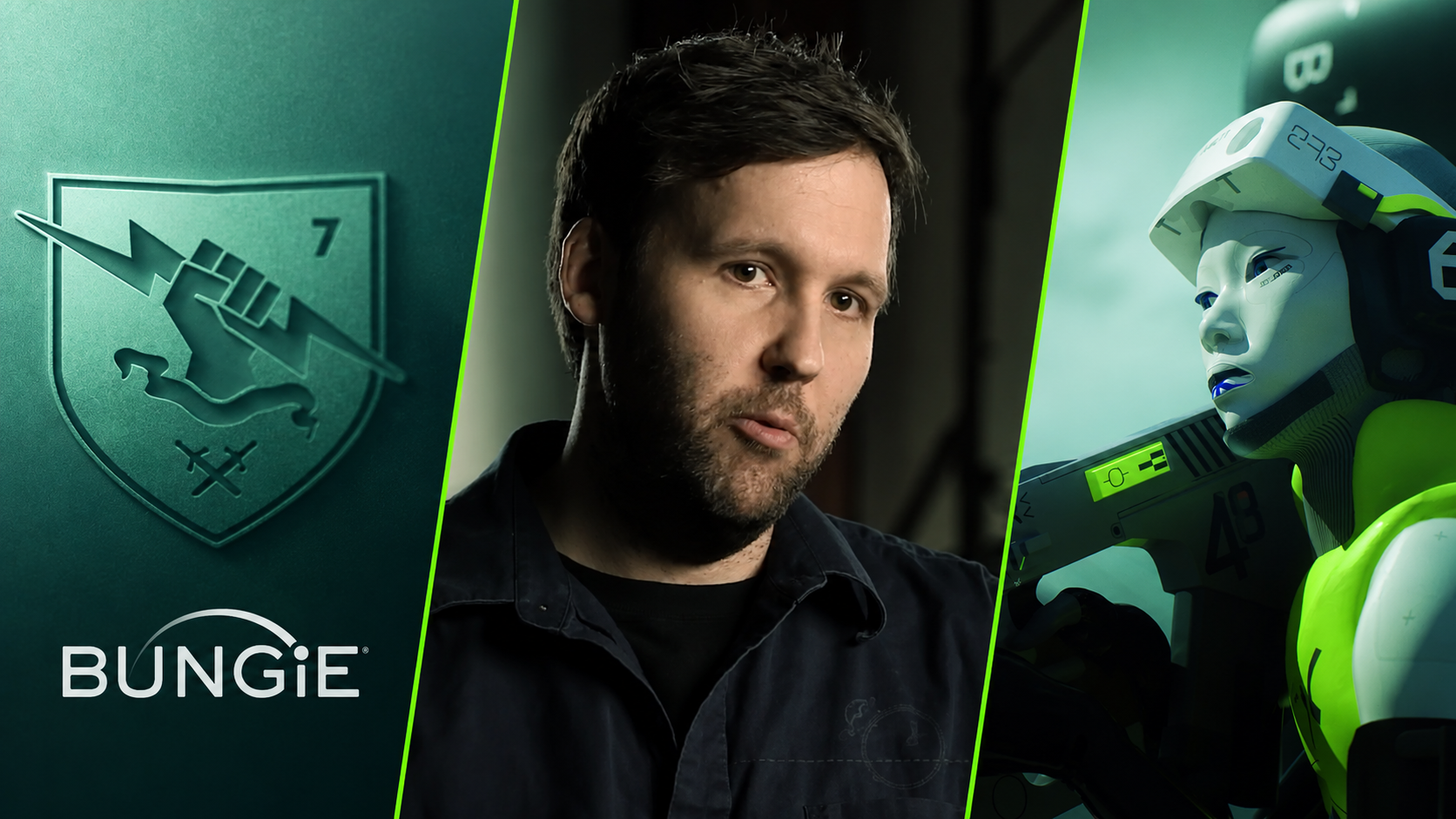
Former Bungie game director Christopher Barrett has reached a settlement with Sony Interactive Entertainment and Bungie, ending the $200 million lawsuit he filed following his dismissal from the studio in 2024. While the financial terms remain confidential, the agreement restores Barrett’s recognition as the original Game Director of Marathon and closes one of the most contentious legal disputes connected to Sony’s acquisition of Bungie.
Barrett confirmed the resolution through a LinkedIn update, stating that all parties had reached an agreement and that he was satisfied with the outcome.
“I am pleased to share that Sony, Bungie, and I have reached an agreement to resolve the lawsuit. The outcome is one I am very satisfied with, and I am grateful to everyone who stood by me. Closing this chapter allows me to focus my attention on what is next in my gaming journey, and I look forward to what lies ahead.”
— Christopher Barrett
Neither Barrett, Sony, nor Bungie disclosed whether the settlement included a financial payment. Barrett’s positive description of the outcome has created speculation that compensation may have formed part of the agreement, but no amount has been confirmed publicly. The lawsuit requested damages of at least $200 million, although that figure should not be interpreted as the amount Barrett received through the settlement.
The parties also issued a joint statement recognizing Barrett’s long history at Bungie and confirming that his name had been added to Marathon’s credits.
“The litigation between Sony Interactive Entertainment, Bungie, and Christopher Barrett has been settled. For 25 years, Mr. Barrett contributed to some of Bungie’s most successful games. Mr. Barrett was the original Game Director for Marathon, and his name has been added to the game’s credits to reflect that.”
Barrett joined Bungie in 1999 and contributed to several of the studio’s most important franchises, including Myth, Halo, Destiny, and Marathon. He served as Art Director on Destiny, later became one of the Game Directors responsible for Destiny 2, and eventually led the original development direction for Bungie’s Marathon revival.
His tenure ended in March 2024 after Bungie investigated allegations concerning inappropriate communications with female employees. Sony and Bungie maintained that the investigation identified behavior that justified his termination, while Barrett denied committing an offense that provided legitimate grounds for dismissal.
Barrett subsequently accused the companies of conducting what he described as a sham investigation intended to remove him from the studio, damage his reputation, and prevent him from receiving compensation connected to his employment agreements. His lawsuit alleged that he was being used as a scapegoat for Bungie’s financial difficulties and wider business failures.
Sony responded aggressively to those allegations through a legal filing that included excerpts from communications between Barrett and several female employees. The company argued that the messages demonstrated a pattern of inappropriate conduct. Barrett’s attorneys disputed that interpretation and accused Sony of selectively presenting conversations without their complete context. The competing allegations were ultimately not resolved through a public trial.
Financial information revealed during the dispute showed that Barrett claimed he was still owed approximately $45.58 million between 2024 and 2026. The compensation reportedly included restricted stock units, reallocated shares, and bonus payments linked to Sony’s $3.6 billion acquisition of Bungie in 2022.
Sony’s acquisition included approximately $1.2 billion intended to retain Bungie employees and leadership during the transition. Barrett reportedly received approximately $36.81 million in 2022 and $1.88 million in 2023, with further payments scheduled before his termination. Whether the settlement restored any portion of the remaining compensation is unknown.
The agreement therefore delivers a clear professional concession through Barrett’s Marathon credit, but it does not establish through a court judgment that either side’s allegations were proven. Settlements commonly allow parties to resolve disputes without admitting liability, and the confidential terms prevent the public from determining whether Barrett received the compensation originally demanded.
The restored credit has renewed discussion surrounding Barrett’s original vision for Marathon. After leaving Bungie, Barrett stated that the project was not primarily inspired by extraction shooters such as Escape from Tarkov. Instead, he described Dark Age of Camelot and its combination of cooperative exploration, environmental threats, and Realm versus Realm conflict as a major influence.
Barrett reportedly envisioned a persistent science fiction world where players could enter and extract at any time rather than participating exclusively in fixed raid sessions. His original development goals reportedly included:
Persistent servers that players could enter or leave without relying entirely on timed sessions.
A player driven living world featuring emergent events and evolving conditions.
Cooperative player stories combined with the constant possibility of hostile encounters.
Survival systems involving injuries, damaged equipment, broken limbs, and leaking gas tanks.
Extensive integration of classic Marathon history, factions, and worldbuilding.
Fully customizable characters rather than fixed hero archetypes.
Objectives and victory conditions supporting exploration, survival, discovery, and non combat strategies.
Barrett wanted player actions to create consequences for other players within the same world, producing unpredictable stories rather than matches defined entirely by direct competitive shooting. He also intended to create viable paths for players who were not focused on mechanical aim or player versus player dominance.
The final version of Marathon, released on March 5, 2026, retained the extraction shooter structure but followed a different creative direction under Bungie. It launched with selectable Runners, structured extraction sessions, seasonal progression, and a stronger emphasis on competitive encounters.
The game received generally positive feedback for its weapon handling, visual identity, maps, and environmental storytelling. Its English Steam reviews currently remain Very Positive, but its active player population has declined considerably since launch. Steam data recorded a peak of 88,337 concurrent players on March 6, while the game was attracting only a few thousand concurrent Steam players by July 2026.
The settlement also arrives during another major period of restructuring at Bungie. Sony recently confirmed significant layoffs affecting most of the Destiny development team, some Marathon developers, and employees within supporting PlayStation divisions. Sony stated that Destiny 2 had released its final live service content update, although its servers and essential maintenance support remain active.
Christopher Barrett’s settlement delivers one visible result: Bungie and Sony have formally acknowledged his original leadership role on Marathon. Restoring his credit is professionally significant because game development is highly collaborative, and major creative contributions should remain part of the historical record regardless of later corporate disputes.
The financial outcome is more complicated. Barrett’s statement strongly suggests that he considers the agreement favorable, but there is no public evidence confirming how much money he received or whether the settlement approached the approximately $45.58 million he claimed remained unpaid. Presenting the agreement as a complete legal victory would therefore go beyond the available information.
The settlement also does not erase the allegations that preceded Barrett’s departure, nor does it validate Sony’s complete interpretation of events. Because the dispute ended without a public trial, the competing accounts were never fully tested before a court. The result provides closure for the parties, but not a definitive public answer regarding every allegation.
From a gaming perspective, restoring Barrett’s Marathon credit gives players a clearer view of how the project evolved. His original persistent world concept sounds considerably different from the session based extraction shooter Bungie eventually released. Persistent servers, emergent events, survival systems, customizable characters, and multiple paths to success could have positioned Marathon closer to a shared world simulation than a traditional competitive extraction game.
That concept would also have involved considerable technical and production risk. Persistent environments require extensive server infrastructure, scalable event systems, economic balancing, and strong protections against exploits. Bungie may have concluded that a more structured design offered clearer development boundaries and better seasonal monetization potential.
The final Marathon has earned praise, but its declining Steam population and Bungie’s continuing workforce reductions indicate that positive reception alone has not resolved the studio’s commercial challenges. The settlement closes Barrett’s personal legal battle, while the larger question surrounding Bungie’s future remains unanswered.
Would Christopher Barrett’s persistent living world concept have created a stronger Marathon experience, or was Bungie right to pursue a more structured extraction shooter?
