
CAPCOM Shares Jump 9.82% After Q3 Results and Strong Full Year Forecast Fueled by Resident Evil Requiem
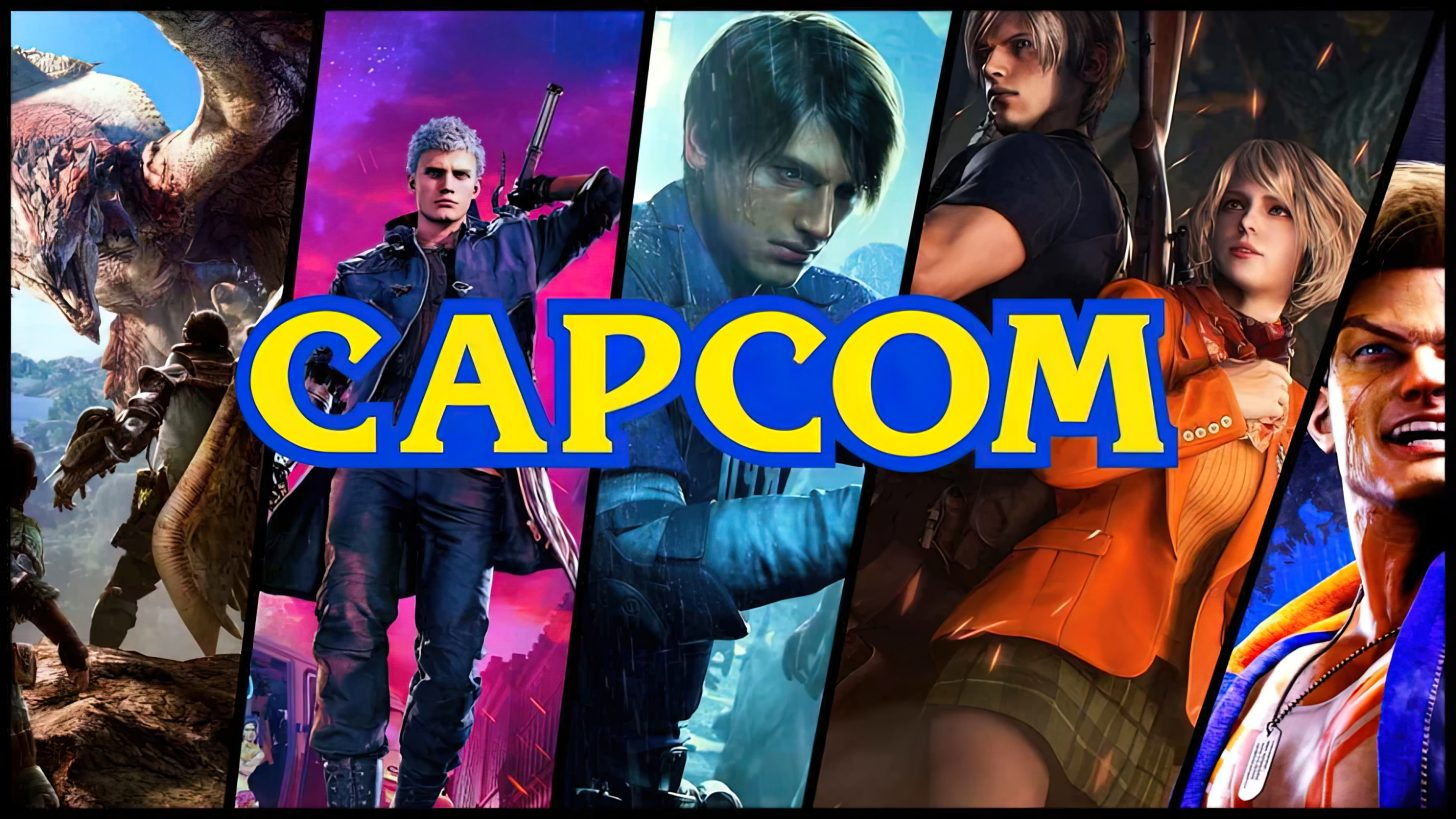
CAPCOM had a standout session in the market, closing up 9.82% versus the prior day as investors reacted positively to the company’s third quarter financial results and an even stronger outlook for the remainder of the fiscal year. In its latest financial report, CAPCOM highlighted a 30% increase in net sales, a 75% increase in operating profit, and a 65% increase in ordinary profit, signaling that its release cadence plus catalog momentum continues to convert into high margin performance.
For the current fiscal year through Q3, CAPCOM reports net sales of 753,000,000$, operating profit of 355,000,000$, and ordinary profit of 338,000,000$. The forward looking guidance is where the market appears to have leaned in. With Resident Evil Requiem launching on February 27, 2026 and Monster Hunter Stories 3: Twisted Reflection arriving on March 13, 2026, both releases land before CAPCOM’s fiscal year ends on March 31, 2026, giving management a clean runway to deliver a strong finish. CAPCOM is targeting full year net sales of 1,200,000,000$, operating profit of 477,000,000$, and ordinary profit of 458,000,000$.
From an industry strategy lens, this is a textbook example of a publisher turning premium tentpoles into forecast confidence, then using that confidence to keep the pipeline narrative intact. CAPCOM is also not relying on only 1 franchise to carry the load. After March 31, 2026, the next fiscal year already stacks potential catalysts, including PRAGMATA launching on April 24, 2026, and Onimusha: Way of the Sword still pending a final date. That combination gives CAPCOM multiple shots on goal across different audience segments, which matters because it reduces reliance on a single live service style retention loop and instead reinforces a portfolio approach.
Catalog performance continues to be a meaningful revenue engine, and CAPCOM’s sales table shows strong movement across multiple Resident Evil titles plus Street Fighter 6 and Devil May Cry 5. Deep discounting appears to be a key lever this year, with Devil May Cry 5 leading the period. Monster Hunter Wilds, despite a recent slowdown, remains a major volume driver at 11,100,000 lifetime units sold since launching in February 2025. Even with mixed sentiment around performance and challenge at various points, it is still described as the company’s fastest selling game to reach this milestone, narrowly ahead of Monster Hunter World’s pace to 11,000,000.
Below is the sales snapshot as provided in the report:
| Title | 25/12 (Millions) | Lifetime (Millions) |
|---|---|---|
| Devil May Cry 5 | 2.43 | 11.00 |
| Resident Evil 4 | 2.34 | 12.26 |
| Resident Evil Village | 2.28 | 13.59 |
| Street Fighter 6 | 1.69 | 6.36 |
| Resident Evil 7 biohazard | 1.68 | 16.47 |
| Resident Evil 2 | 1.46 | 16.87 |
| Monster Hunter Rise | 1.10 | 18.27 |
| Resident Evil 3 | 1.09 | 10.99 |
| Monster Hunter Rise: Sunbreak | 1.03 | 10.91 |
| Monster Hunter Wilds | 0.99 | 11.10 |
The big question for Monster Hunter Wilds is whether recent technical improvements can reignite demand and extend the tail, because Monster Hunter World remains the long term benchmark at over 22,000,000 lifetime units sold. If CAPCOM can stabilize performance perception and keep endgame engagement high, Wilds still has a pathway to close that gap, but it will need sustained content beats plus continued optimization to convert the hesitant segment of the audience.
What do you think is driving CAPCOM’s investor momentum more right now, the near term launch pull of Resident Evil Requiem, or the long tail reliability of CAPCOM’s catalog sales machine?
