
Build a Rocket Boy Announces More Layoffs as CEO Mark Gerhard Repeats Claims of Organized Espionage and Corporate Sabotage
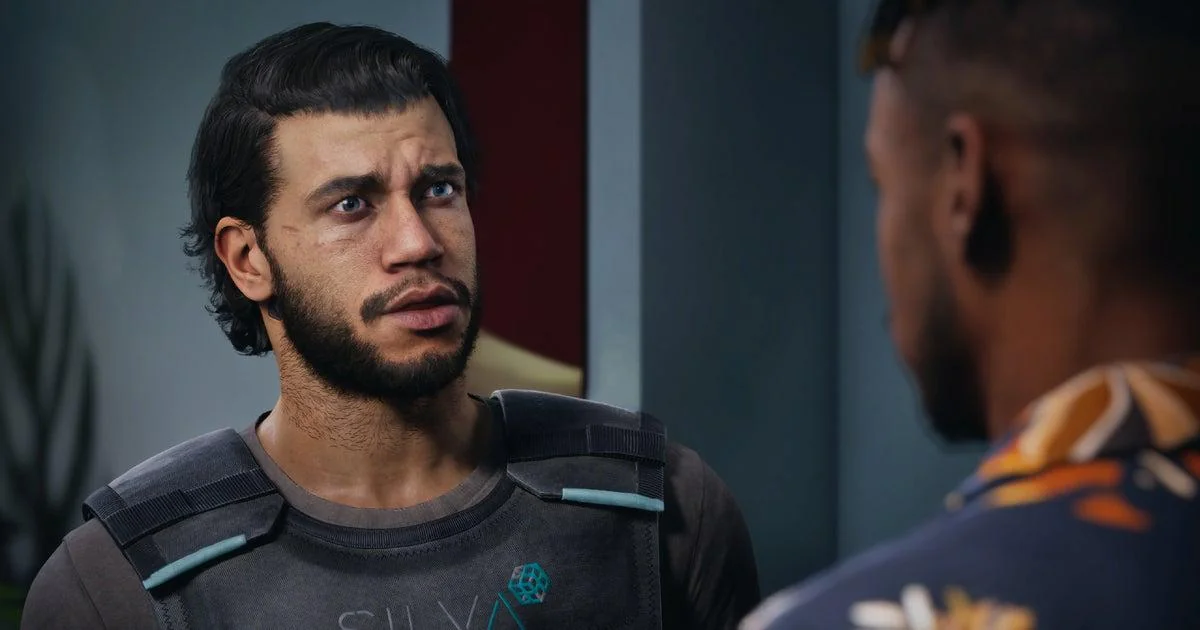
Build a Rocket Boy has announced another round of layoffs, with CEO Mark Gerhard describing the decision as deeply painful while again attributing the studio’s post launch collapse around MindsEye to what he calls organized espionage and corporate sabotage.
The statement was posted to the studio’s LinkedIn page, where Gerhard acknowledges the personal impact of job losses on employees and their families, framing the cuts as part of broader industry pressures while the studio continues to regroup after MindsEye’s widely criticized release.

What immediately stands out is the escalation in Gerhard’s messaging. In the LinkedIn statement, he reiterates that the company has been working with external partners and legal advisors to investigate what he describes as criminal activity around the launch, and he claims that effort has now produced overwhelming evidence of organized espionage and corporate sabotage affecting MindsEye, with the matter moving toward prosecution. These are serious allegations, and as of now the public has not been shown the evidence behind them, which makes this a watch and verify situation rather than something the industry can treat as established fact.
This also lands against a backdrop of reporting and commentary that has focused less on external interference and more on internal leadership and production issues, arguing that mismanagement and unrealistic decision making were primary contributors to the game’s condition at launch. That tension is now central to the studio’s public narrative: Gerhard is asking the market to view MindsEye as a product harmed by bad actors, while significant public coverage continues to frame the result as an execution failure inside the studio.
From a business perspective, the layoffs signal that Build a Rocket Boy is still operating under constrained runway and is now attempting to stabilize the organization while managing a reputational crisis. In practical terms, claiming sabotage can be a high risk communications strategy. If evidence becomes public and credible, it could reframe the story, shift accountability, and potentially support legal outcomes. If evidence never materializes, it can deepen skepticism, damage morale, and amplify doubts among partners, publishers, and future hires.
The next milestone that will determine how this story evolves is simple: whether the studio can substantiate its claims through legal proceedings or credible disclosures, and whether it can rebuild trust through tangible operational improvements rather than narrative resets.
Engagement
Do you think claims like organized sabotage can ever restore trust after a disastrous launch, or does a studio only recover by shipping a visibly improved product and letting results speak louder than statements?
