
Blizzard Road to BlizzCon Kicks Off by Adding Warlocks to Diablo IV, Diablo Immortal, and Diablo II: Resurrected
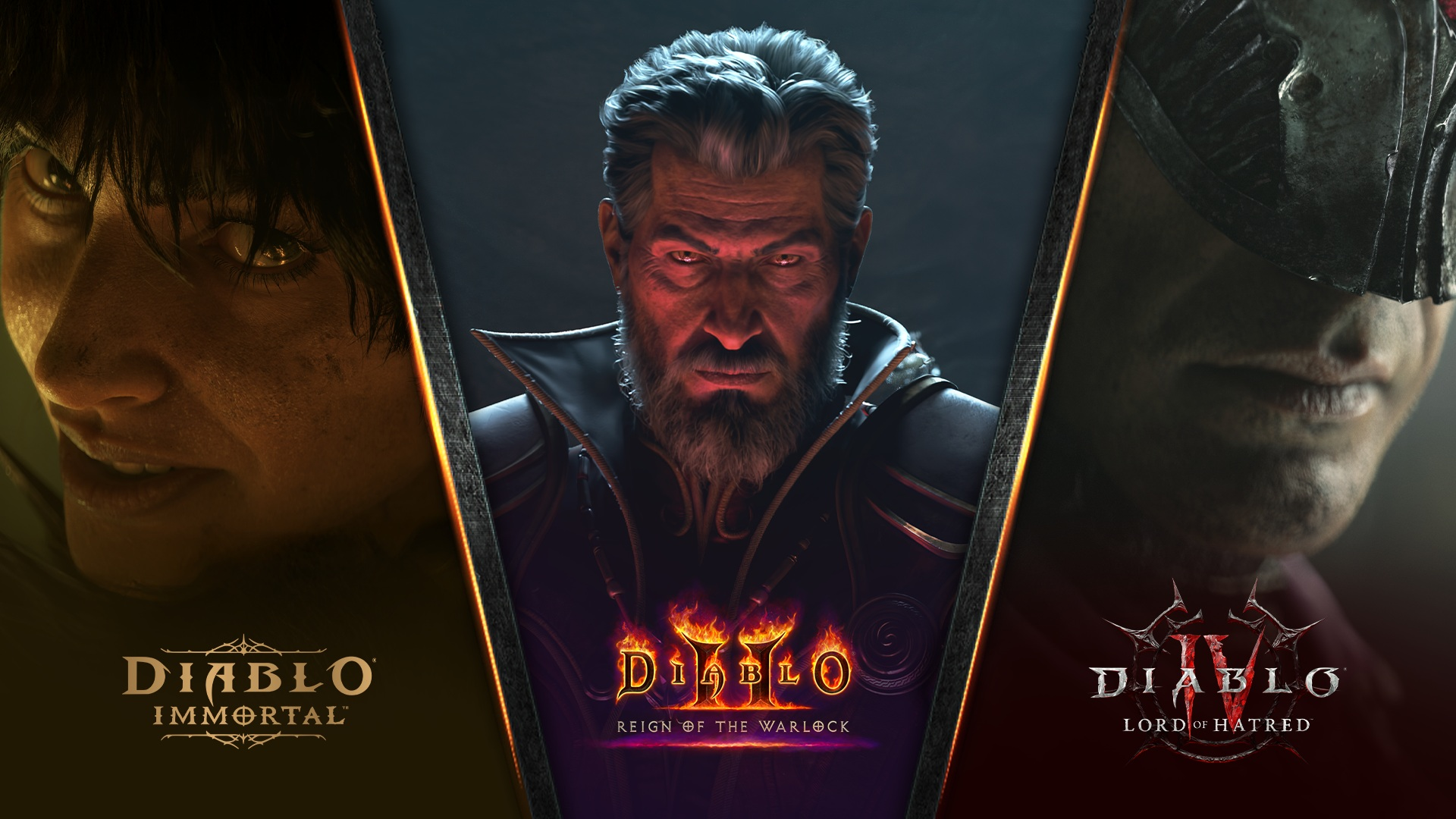
Blizzard Entertainment wrapped up its latest run of franchise spotlights with the Diablo 30th Anniversary Spotlight, positioning it as the opening act for a bigger reveal cadence that will crescendo at BlizzCon 2026. In a 39 minute presentation, Blizzard laid out what is next across the Diablo universe and deliberately held back several headline beats for later, but one major pillar is now confirmed for Diablo IV, Diablo Immortal, and Diablo II: Resurrected: the Warlock class.
The key twist is that each game is getting its own Warlock interpretation, tailored to the systems and pacing of that specific title. The most impactful inclusion is arguably Diablo II: Resurrected, because this marks the first new playable class Diablo II has received in 25 years, a milestone move for a remaster that already sits on top of one of the most influential action RPG foundations ever made.
Blizzard also made a very deliberate hype play by shadow dropping the Diablo II: Resurrected Warlock update as part of the spotlight, meaning the only playable Warlock today is in Diablo II: Resurrected.
The Diablo II: Resurrected portion is not just a new class drop. Blizzard is clearly treating it as a legacy sensitive expansion moment, and it is taking steps to keep purists intact. When you boot up Diablo II: Resurrected, you will be able to choose between the original 2021 release experience and the new version titled Diablo II: Reign of the Warlock. This is Blizzard preserving the classic baseline for players who want the remaster exactly as it was, while enabling a modern fork for those who want new content in an old world.
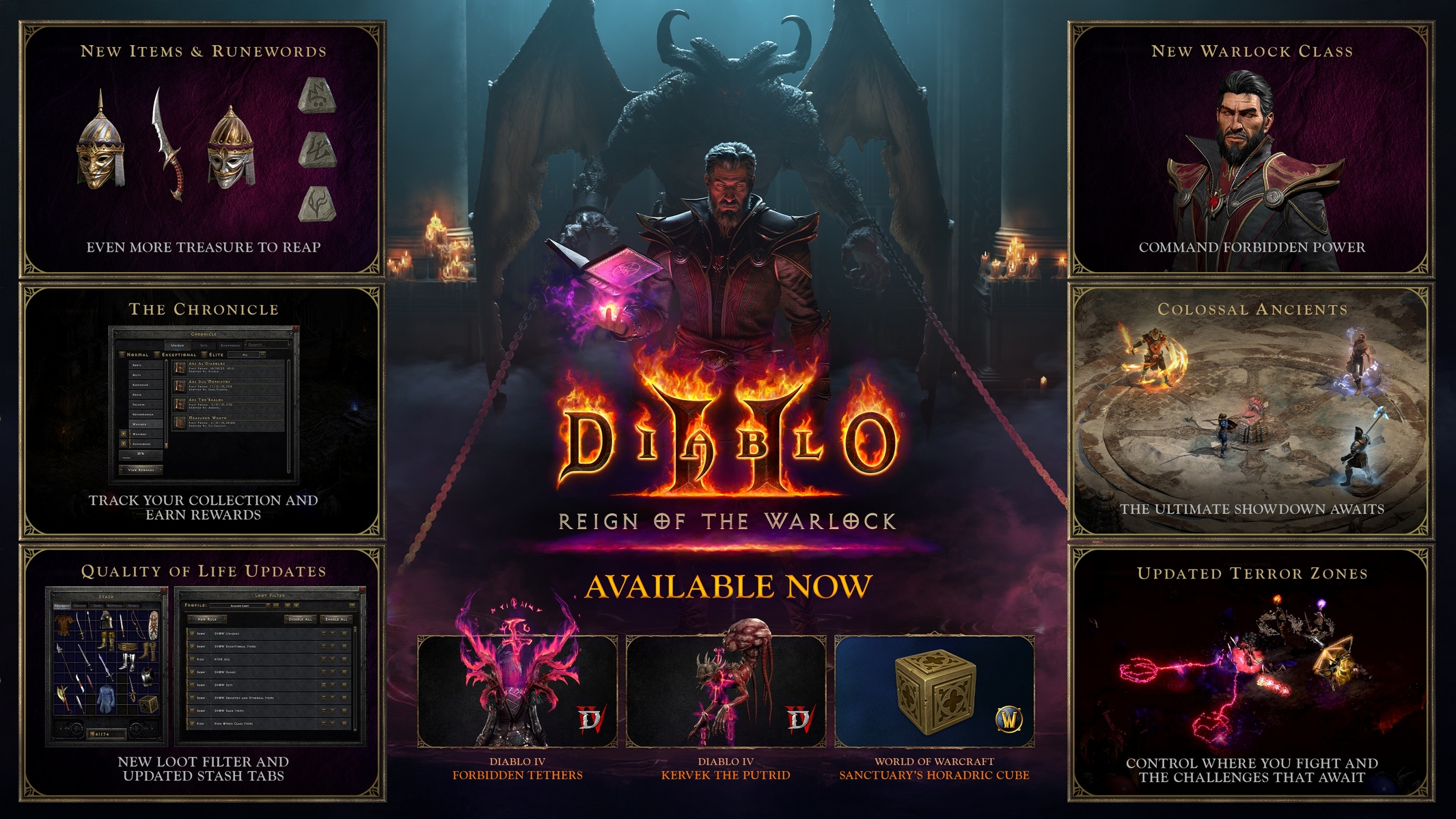
Reign of the Warlock is a paid expansion priced at $25, with the core draw being the Warlock class itself, the first new class to hit Diablo II in 25 years. Blizzard also tied several non paywalled improvements into the update package, including updated terror zones, the introduction of Colossal Ancients, and quality of life upgrades like loot filters and updated stash tabs.
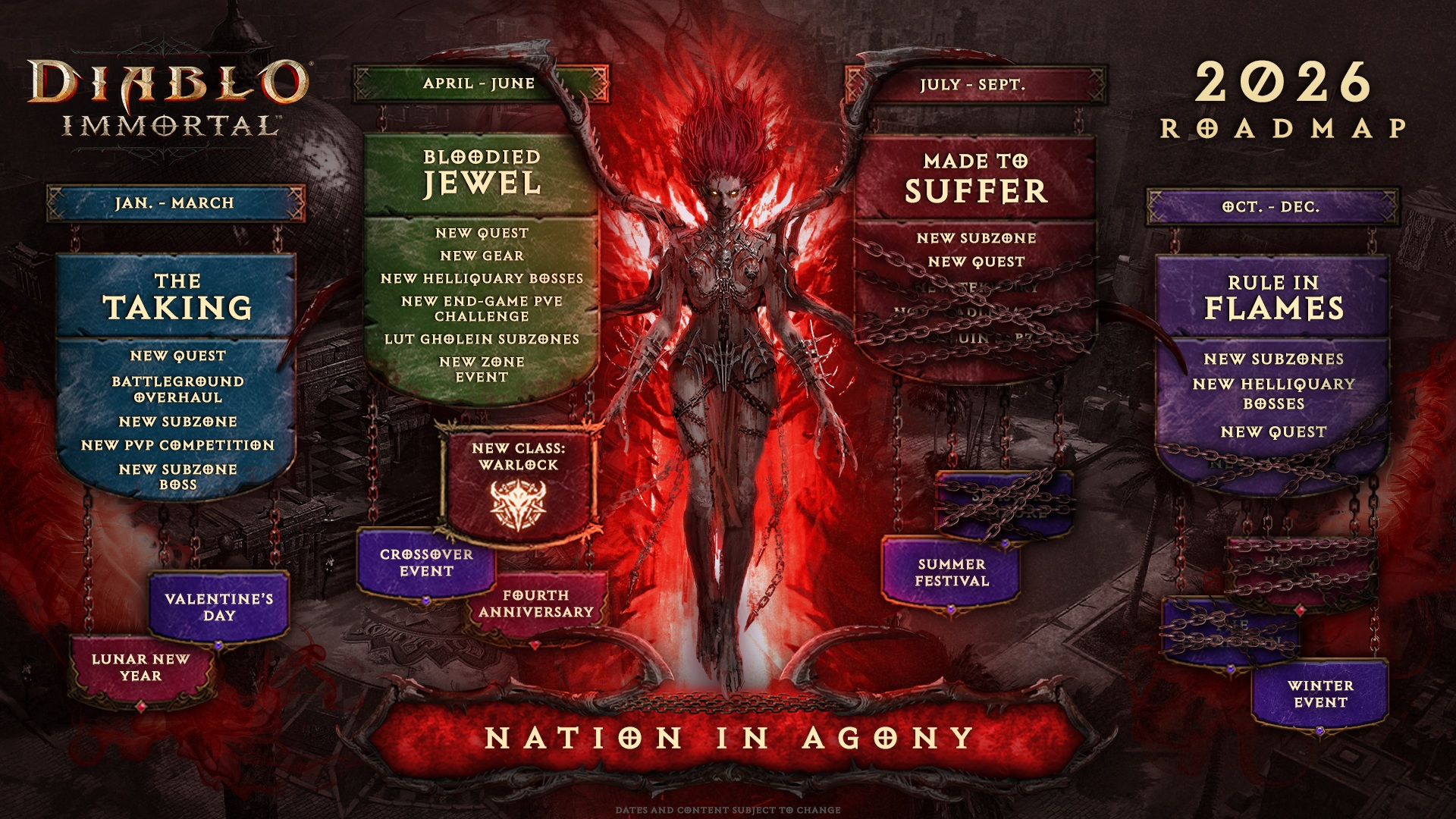
Diablo Immortal players will wait the longest for the Warlock, with Blizzard targeting a June 2026 arrival. In the meantime, the spotlight also outlines broader plans for 2026, including new quests, gear, bosses, additional endgame PvE challenges, zone events, subzones, and more before the end of the year. The roadmap framing here is important because it signals Blizzard is still treating Immortal as a high velocity content pipeline even in the shadow of Diablo IV’s premium expansions.
For Diablo IV, the Warlock is tied directly to the Lord of Hatred expansion, launching on 04 28 2026. Blizzard is also scheduling a dedicated deep dive spotlight on 03 05 2026 focused specifically on the Warlock class, promising a full ability and power showcase ahead of release.
The expansion is also framed as an endgame reinvigoration. Blizzard is introducing War Plans, a playlist style endgame system that lets you decide how your endgame loop is built. You will choose 5 activities from 6 modes, then progress through a unique endgame skill tree tied to those choices. The 6 endgame modes listed are:
The Pit
Infernal Hordes
Helltides
Nightmare Dungeons
Lair Bosses
Kurast Undercity
On top of the structured playlist system, Diablo IV is also getting a new hyper rare endurance event called Echoing Hatred, described as a survival gauntlet that bombards you with escalating enemy waves until you die, with higher rewards the longer you last. It is the kind of system designed to generate build discourse, streamer moments, and community ladder style bragging rights, even without a formal ladder attached.
The closing tone of the spotlight also makes Blizzard’s intent obvious. Diablo IV game director Brent Gibson teased that players are going to “freak” at what Blizzard reveals at BlizzCon 2026, with the video cutting off before any surprise slips out. That is a classic controlled tease, but paired with a franchise wide Warlock rollout, it also signals Blizzard is setting up a unified Diablo year where all three games feel connected by a shared identity beat, without forcing them into the same gameplay mold.
Do you want the Warlock to lean into classic minion commanding and curses across all 3 games, or should each version go wildly different to match Diablo II, Diablo IV, and Immortal pacing?
